




Iran War Impact on Chemical and Fertilizer Markets: Prices, Supply
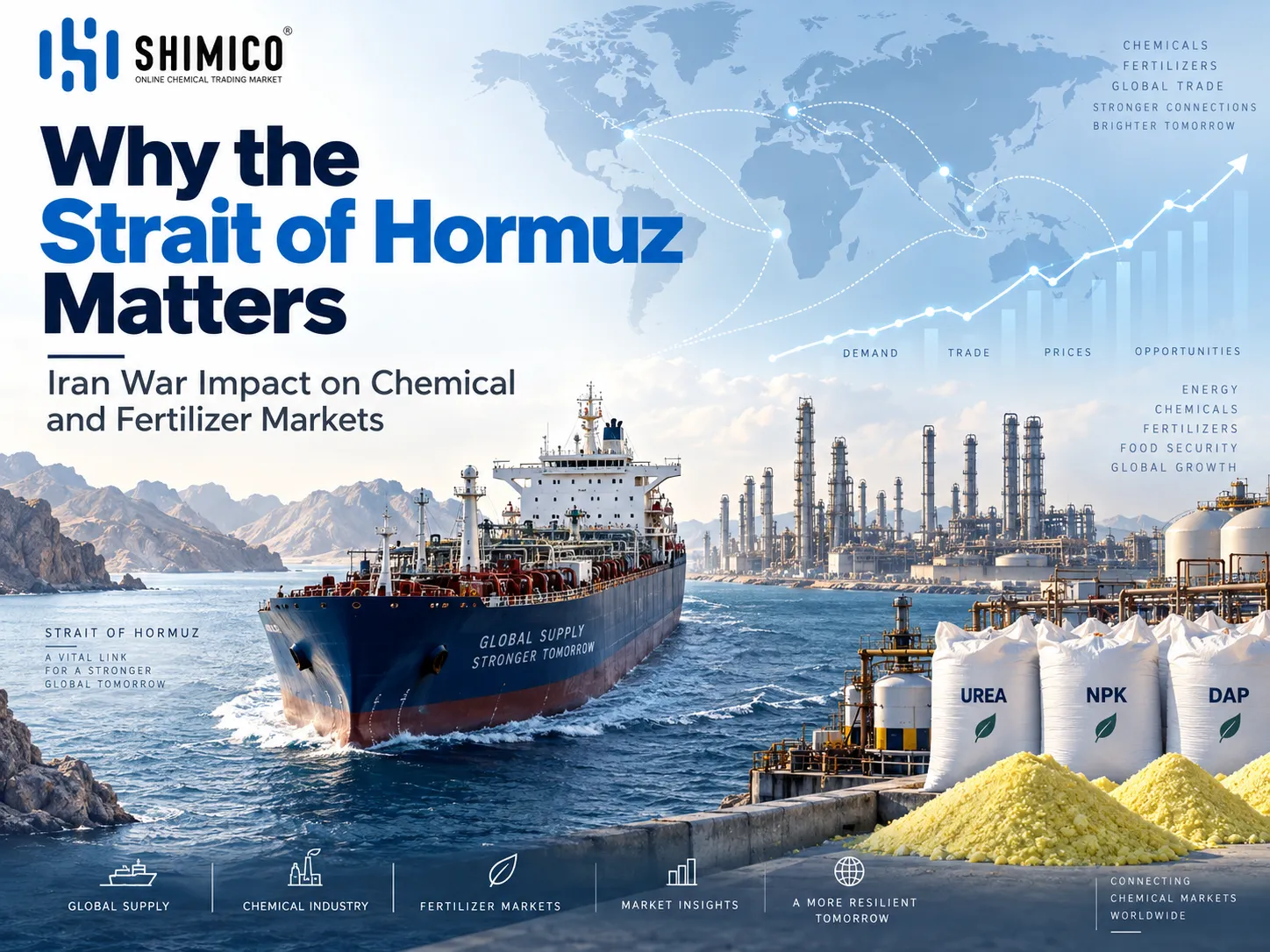
Quick answer: The Iran war impact on chemical and fertilizer markets is being transmitted through four linked channels: restrictions on shipping through the Strait of Hormuz, higher natural-gas and freight costs, reduced availability of Gulf-produced urea and ammonia, and tighter sulfur supply for phosphate production.
IFPRI estimates that up to 30% of global fertilizer trade passed through Hormuz in 2024, while the World Bank reported that its fertilizer price index reached its highest level since 2022 in spring 2026.
The effect is not identical across every chemical. Nitrogen fertilizers are most exposed to natural gas and ammonia, phosphate fertilizers are exposed to sulfur and sulfuric acid, and petrochemicals face feedstock, freight, insurance and delivery-risk pressures.
The phrase Iran war impact on fertilizer is now appearing in search because the conflict is not only an energy-market story. It is also a raw-material and logistics story.
The Persian Gulf connects major producers of natural gas, ammonia, urea, sulfur, phosphates and petrochemicals with large importing markets in Asia, Africa, Europe and Latin America. When that route is constrained, the first visible effect is usually price. The deeper effect is availability.
That distinction matters to fertilizer importers, chemical traders, feedstock buyers, mining companies and large agricultural businesses. A buyer can sometimes tolerate a higher quoted price. A buyer cannot run a plant without feedstock.
This article examines the Iran war impact on chemical and fertilizer markets from a supply-chain and commodity perspective. It does not argue for any government, military actor or political position. The focus is commercial:
what has happened to supply, why fertilizer prices reacted, which chemicals are most exposed, what the Strait of Hormuz changes, and what industrial buyers should monitor next.
IFPRI reported that in 2024 up to 30% of global fertilizer trade, about 20% of LNG trade and 27% of globally traded oil moved through the Strait of Hormuz. That concentration explains why a shipping disruption can move fertilizer and chemical markets far beyond the Gulf.
Source: IFPRI, April 1, 2026
Iran War Impact on Chemical and Fertilizer Markets: Why the Strait of Hormuz Matters
The Strait of Hormuz fertilizer disruption matters because the Gulf is not a single-product export region. It is a connected production system. Natural gas feeds ammonia plants. Ammonia feeds urea and other nitrogen products. Oil and gas processing generate recovered sulfur.
Sulfur feeds sulfuric acid production. Sulfuric acid is needed to process phosphate rock into phosphoric acid and finished phosphate fertilizers. At the same time, the same ports, vessels, insurers and shipping lanes serve petrochemical exports.
IFPRI and AMIS described Hormuz as a fertilizer chokepoint with roughly 35% of global urea flows, more than one quarter of ammonia trade, just above 20% of phosphates and around 45% of global sulfur exports transiting the route. These figures explain why the market reaction extends beyond Iran itself. The issue is regional concentration plus a narrow maritime exit.
Iran War Impact on Fertilizer Trade Through the Strait of Hormuz
When shipping slows or stops, cargoes can be unavailable even if a production plant is still operating. This creates a gap between production capacity and exportable supply.
Storage then becomes a problem. A producer can continue making urea or sulfur for a limited period, but once warehouse or terminal storage fills, output may need to be reduced.
This is why fertilizer shortages can deepen after the first shipping shock. The sequence is often: vessel restrictions, higher war-risk premiums, lower loadings, port congestion, rising inventories at origin, production cuts, then wider competition for alternative supply.
Iran War Impact on Fertilizer Shipping, Insurance and Delivered Cost
For buyers, the relevant price is not merely FOB. It is the delivered or landed cost. During a conflict, freight and marine insurance can rise faster than the commodity price itself. A Gulf cargo that appears competitive at origin can become expensive once freight, war-risk insurance, financing, waiting time and rerouting are added.
Buyer note:
Compare landed cost, shipment window, vessel availability, origin, insurance, payment terms and replacement risk. During a volatile market, the lowest FOB price may not be the lowest commercial risk.
Iran War Impact on Fertilizer Prices: Why Urea, DAP and Inputs Moved Higher
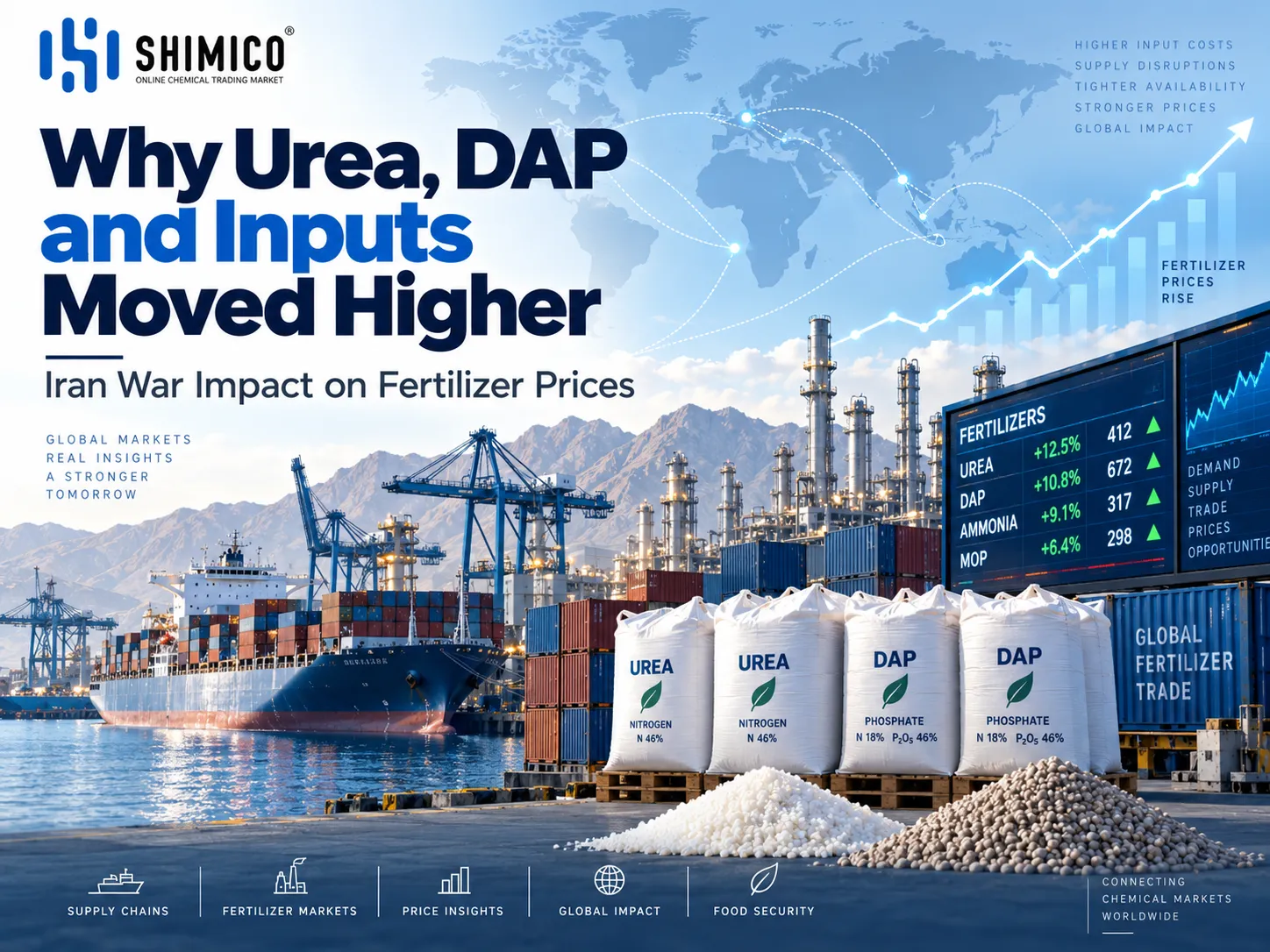
The most searched question is direct: How does the war in Iran affect fertilizer prices? Prices rise when physical supply becomes harder to move, when energy costs rise, and when buyers compete for replacement cargoes from fewer available origins.
The World Bank reported that its fertilizer price index rose more than 12% in the first quarter of 2026 and reached its highest level since 2022 by spring.
Its April 2026 outlook projected the index to rise by more than 30% in 2026, driven mainly by higher input costs and Hormuz-related export disruption. IFPRI later reported that world urea prices had roughly doubled through April while DAP prices had increased by about 35% under the initial disruption.
The price response differs by product. Urea is highly sensitive to natural gas and ammonia. DAP and MAP are sensitive to sulfur, sulfuric acid, ammonia and phosphate availability. Potash is less directly tied to Gulf production, although freight, energy and broad fertilizer-market psychology can still affect delivered prices.
Iran War Impact on Fertilizer Shortage 2026: Price Shock vs Physical Shortage
A high price does not always mean a shortage. A shortage means buyers cannot secure the required volume on acceptable timing and terms. In 2026, both problems have appeared together in some markets.
Import-dependent regions faced tighter prompt availability while buyers sought alternative cargoes from Russia, North Africa, China, North America and other sources.
IFPRI estimated that the closure put around 21 million tonnes of annual Gulf urea export capacity and roughly 4 million tonnes of DAP export capacity behind a constrained maritime exit. That does not mean all of that supply disappeared permanently. It means the market had to price the risk that it could not move normally.
Market warning:
Do not treat a temporary spot quote as a durable market forecast. Fertilizer prices can reverse quickly if shipping resumes, export restrictions change, China adjusts exports, or large stranded inventories return to the market.
Iran War Impact on Urea and Fertilizer Production
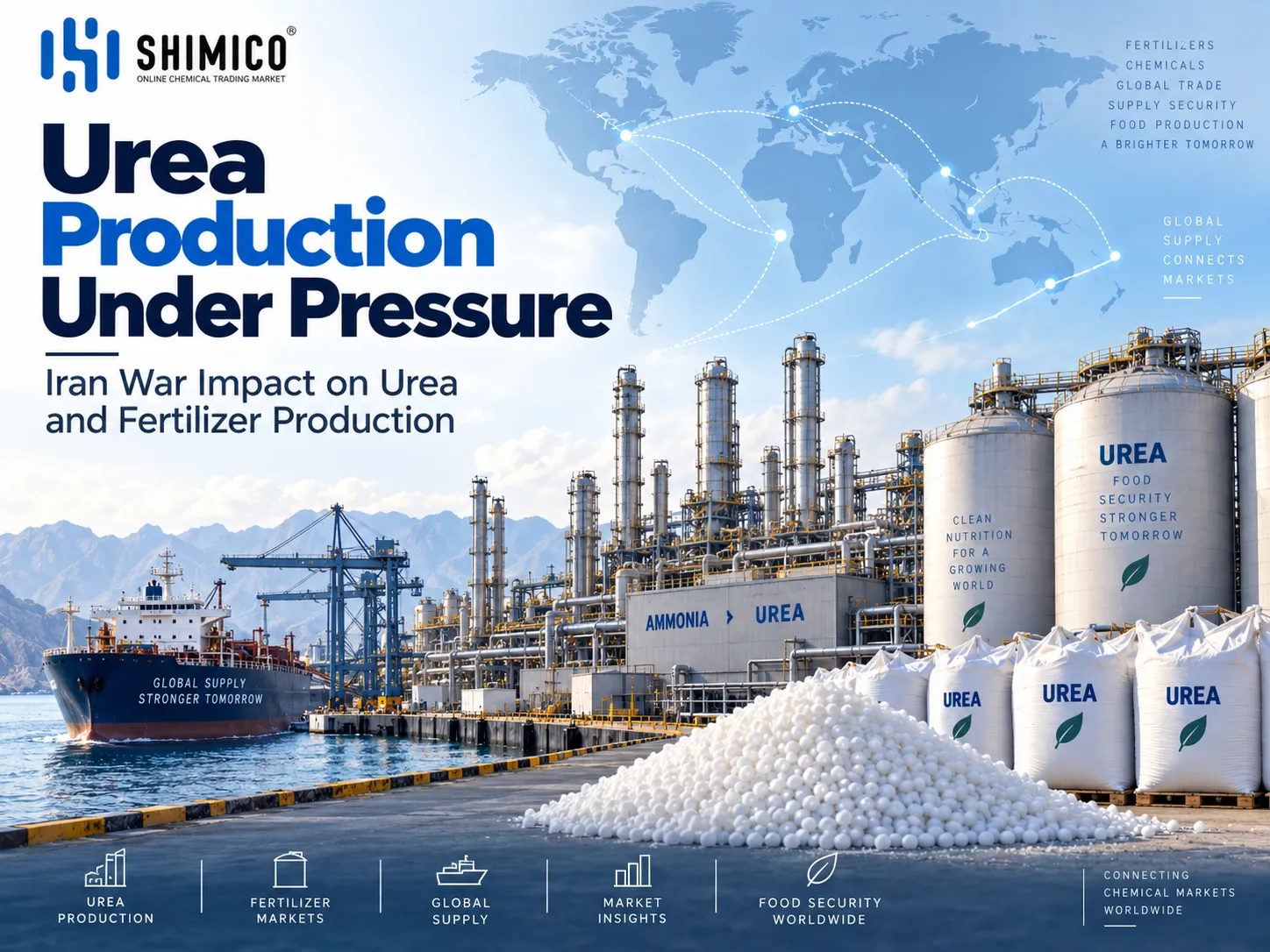
Urea is the clearest example of how the Iran war impact on fertilizer production can spread from energy markets into agriculture. Modern urea production begins with ammonia. Most ammonia plants use natural gas both as a source of hydrogen and as process energy. Ammonia then reacts with carbon dioxide to produce urea.
This chain creates two exposures. A fertilizer plant may lose direct access to gas, or it may continue operating while facing higher gas prices. Either outcome raises production risk. The second exposure is logistics. Even if urea is produced, it still needs storage, a port, a vessel and an open route to the customer.
Iran War Impact on Urea Prices and Global Nitrogen Fertilizer Supply
IFPRI reported that Gulf countries accounted for 36% of global urea exports during 2023-2025. Iran and Qatar were among the largest exporters in the region, followed by Saudi Arabia. The same source reported that major importing markets included India, Brazil, Australia, Thailand, the United States, Türkiye, Ethiopia and South Africa.
This concentration explains the global response. A buyer in Brazil or India does not need to import from Iran directly to feel the effect. If Gulf supply tightens, that buyer competes for replacement tonnes from the same alternative suppliers being pursued by other importers.
Iran War Impact on Urea Demand During Planting Seasons
Timing can magnify the shock. Reuters reported that fertilizer prices rose just as major planting periods were approaching in India, the United States and Australia. When a supply disruption overlaps with seasonal buying, buyers have less flexibility to postpone purchases. The result can be a short, sharp bidding cycle.
Later in the year, prices can soften if seasonal demand fades or if new export supply enters the market. This happened to some degree after the first spike, but the commercial lesson remains: planting calendars matter almost as much as production capacity.
Iran War Impact on Ammonia and Natural Gas in Fertilizer Markets
Ammonia sits upstream of nearly every nitrogen-fertilizer conversation. The Gulf exports both natural gas and ammonia, so disruption can hit buyers twice. Countries that import LNG to manufacture nitrogen fertilizer domestically face higher feedstock costs. Countries that import ammonia directly face shipping and availability risk.
IFPRI estimated that 29% of global ammonia exports during 2023-2025 originated in the Gulf region, with Saudi Arabia leading regional exports. This matters to fertilizer producers in markets such as India, South Korea, Morocco, Japan, South Africa and the United States.
Iran War Impact on Natural Gas Feedstock for Fertilizer Production
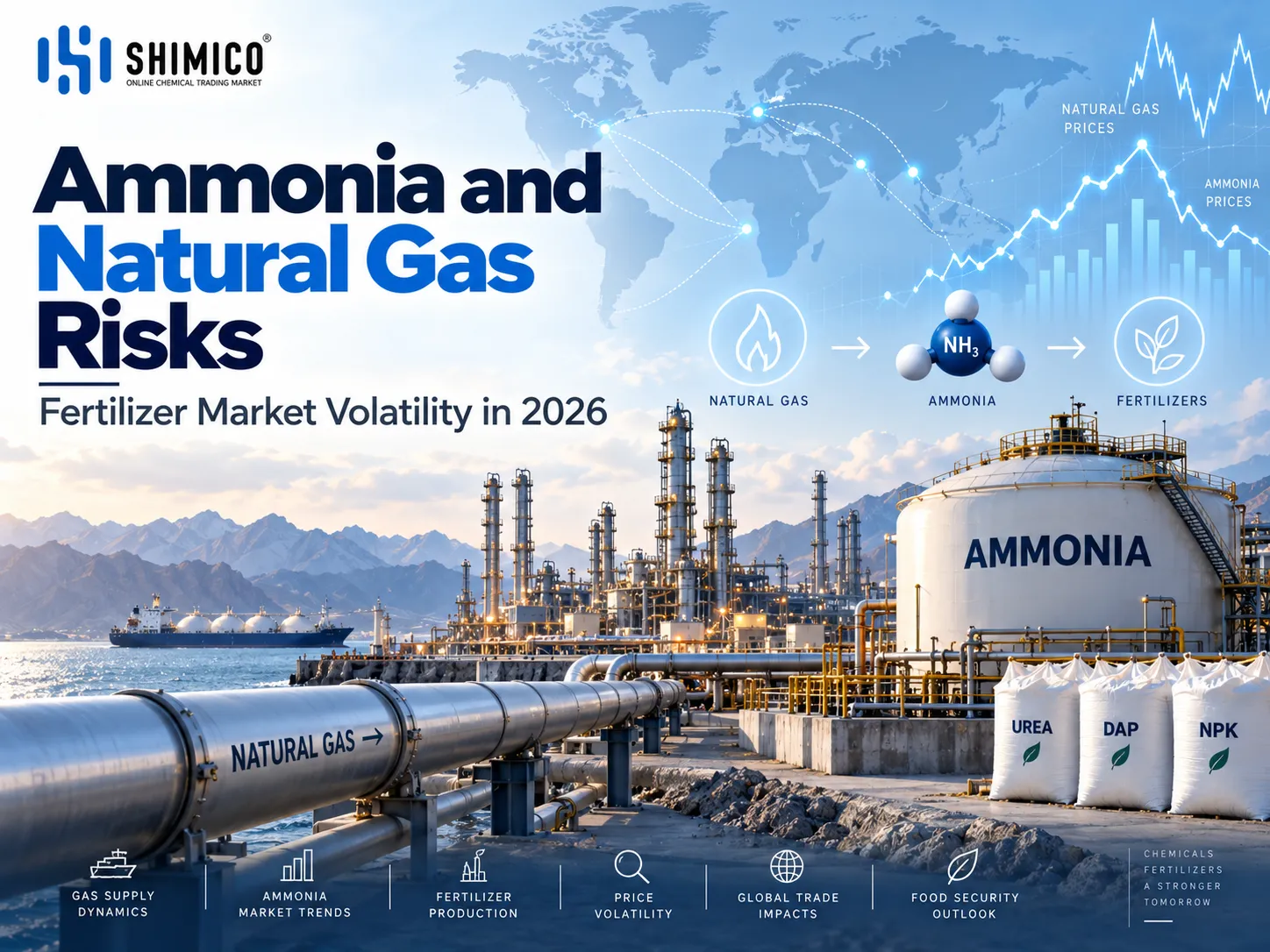
Natural gas is not merely fuel for an ammonia plant. It is also the source of hydrogen used in conventional Haber-Bosch production. Higher gas prices therefore raise the direct manufacturing cost of ammonia and urea.
Countries with domestic coal-based ammonia, diversified LNG import sources or low-cost local gas may respond differently. China, for example, has a much larger coal-based ammonia position than many other countries. India and Pakistan have greater exposure to imported gas and Gulf fertilizer flows. The same global price shock can therefore create very different local production outcomes.
The World Bank linked the 2026 fertilizer-price surge to Hormuz disruption and higher input costs, especially for nitrogen and phosphate fertilizers.
Source: World Bank, May 14, 2026
Iran War Impact on Sulfur, Sulfuric Acid and Phosphate Fertilizer Markets
Sulfur receives less public attention than urea, but it is one of the most exposed raw materials in the current fertilizer shock. Much of the world’s elemental sulfur is recovered from oil and gas processing. Gulf hydrocarbon production therefore creates large sulfur export volumes.
IFPRI estimated that the affected region normally provides about 40% to 45% of global sulfur exports. Other assessments place the figure close to half of global traded sulfur.
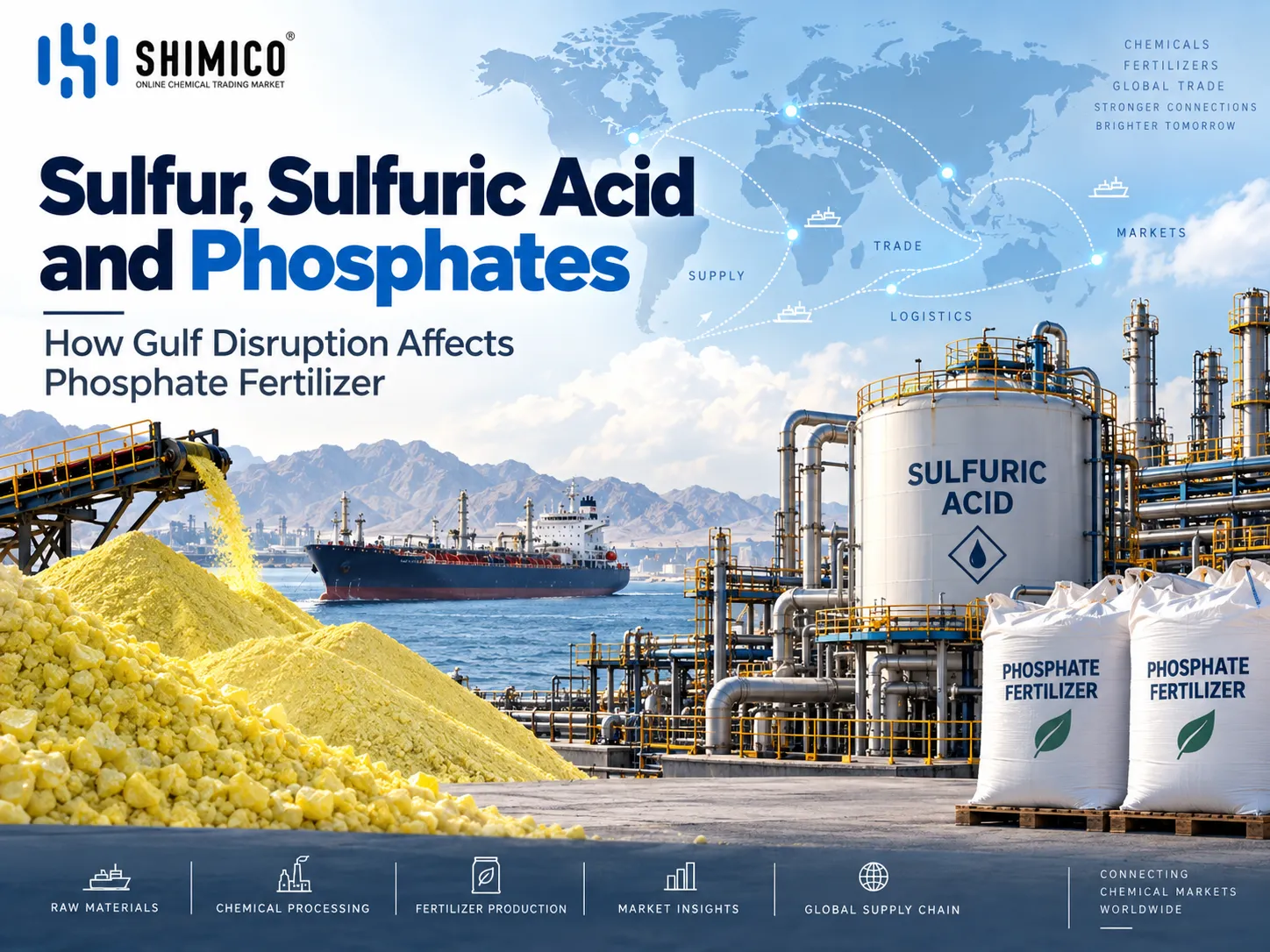
This sulfur is not only used as a plant nutrient. It is converted to sulfuric acid, which is needed to process phosphate rock into phosphoric acid and then into fertilizers such as DAP, MAP and TSP.
Iran War Impact on Sulfur Supply and DAP/MAP Production
A sulfur shortage can affect phosphate producers far from the Gulf. Morocco and China have large phosphate industries, but both can depend on imported sulfur for sulfuric-acid production. This creates a less obvious dependency: phosphate rock may be available, yet conversion capacity can still be constrained by sulfur.
The chain is straightforward:
Recovered sulfur → sulfuric acid → phosphoric acid → DAP / MAP / TSP
If sulfur becomes expensive, the effect enters the cost base of phosphate fertilizer. If sulfur becomes physically unavailable, the constraint can reduce operating rates. This is why the Iran war impact on sulfur matters to agriculture even in countries with no direct dependence on Iranian sulfur.
Iran War Impact on Sulfuric Acid Beyond Fertilizers
Sulfuric acid also matters to copper, nickel, uranium and other mineral-processing operations. Higher sulfur prices can therefore trigger competition between fertilizer producers and mining companies. A mining company processing high-value metal may be willing to pay more for sulfur or acid than a fertilizer producer operating on thin margins.
That competition can keep sulfur prices high even if fertilizer demand weakens. This is one reason sulfur should be monitored as its own commodity rather than viewed only as a fertilizer input.
Need Bulk Sulfur Supply?
Source Sulfur for fertilizer, sulfuric acid production, mining and industrial applications. Compare available grades, specifications, packaging and commercial terms for bulk and tonnage orders.
Looking for Tonnage Ammonium Sulfate?
Find Ammonium Sulfate for agricultural fertilizer and industrial use. Review product specifications, nitrogen and sulfur content, packaging, origin and supplier terms for large-volume purchases.
Need Bulk Sulfuric Acid?
Explore Sulfuric Acid supply for fertilizer manufacturing, mineral processing and industrial production. Compare concentration, COA, delivery terms and supply options for bulk and tanker quantities.
Iran War Impact on Chemical Markets Beyond Fertilizer
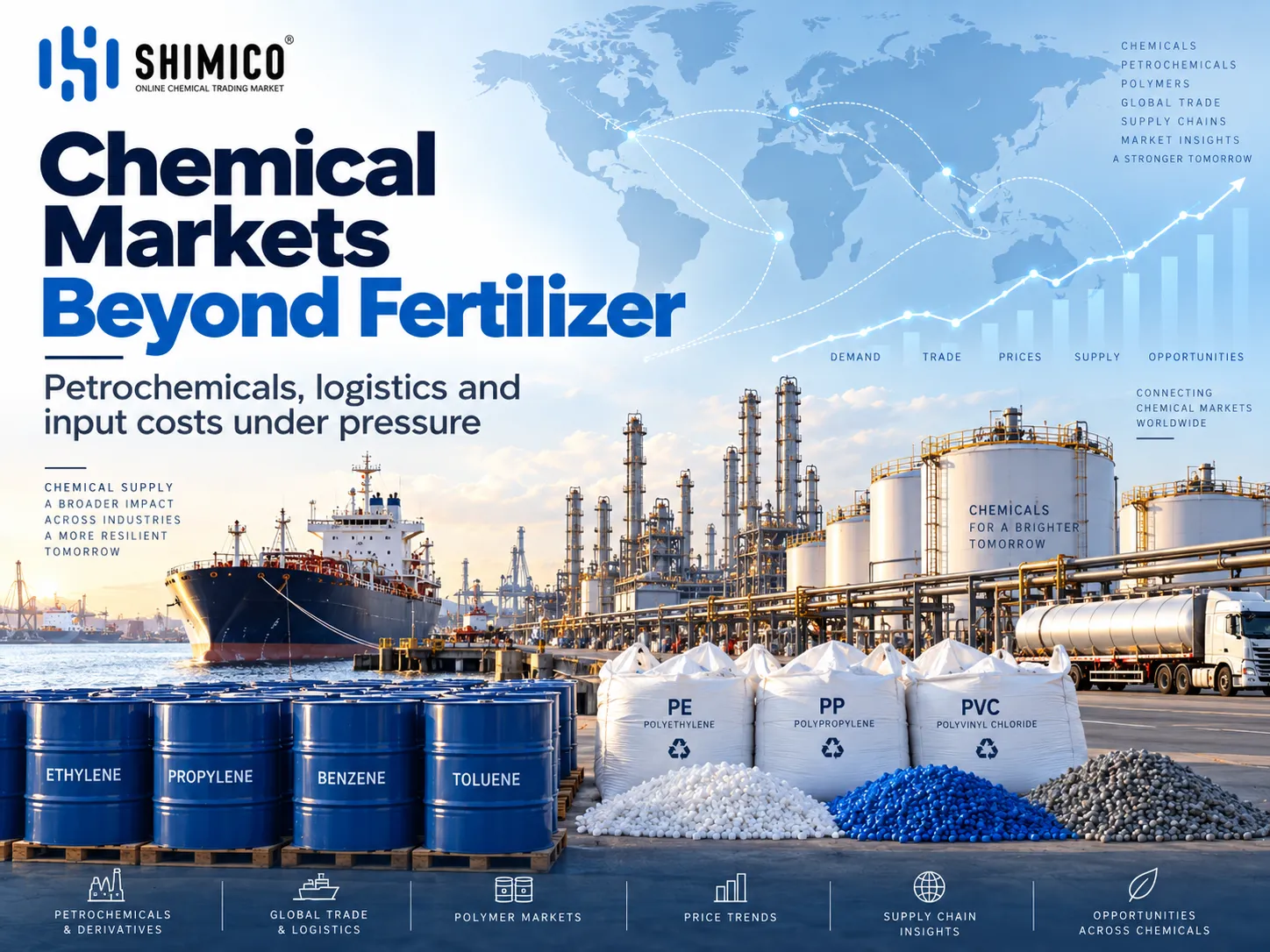
The Iran war impact on chemicals industry goes beyond fertilizer because many chemical chains share the same feedstocks and logistics. Gulf petrochemical production is deeply linked to natural gas liquids, natural gas, refinery streams, ports and export terminals.
The most exposed products are not necessarily the same in every country. Methanol, ammonia, sulfur, sulfuric acid, polyethylene feedstocks and other petrochemicals can react through different mechanisms. Some face higher feedstock costs.
Some face port congestion. Some face sanctions or banking friction. Some face longer transit times or higher insurance.
Iran War Impact on Methanol and Petrochemical Feedstocks
Methanol is produced mainly from synthesis gas derived from natural gas or coal. In gas-based producing regions, higher gas costs or feedstock interruptions can raise cash costs and reduce operating rates.
Yet methanol markets are also influenced by Chinese demand, coal economics, olefins production and downstream formaldehyde demand. It would be wrong to attribute every methanol price move to the conflict.
The same caution applies to polymers and solvents. A headline geopolitical event can influence freight and feedstock costs, but local inventories and downstream demand still determine the final price paid by a buyer.
Iran War Impact on Chemical Shipping and Trade Finance
Chemical cargoes often require more than a ship. They require approved tankers or containers, compatible storage, documentation, bank channels, insurance and destination-country acceptance. Conflict can tighten any one of these links.
For B2B buyers, this means a supplier’s ability to quote is less important than its ability to execute. A commercial offer should therefore be checked for Incoterm, loading port, vessel or container availability, export documents, payment method, insurance responsibility, lead time and quote validity.
| Chemical / Fertilizer | Conflict Transmission Channel | Why Buyers Care | What to Monitor |
|---|---|---|---|
| Urea | Gas, ammonia, Gulf exports, Hormuz | Direct farm input and global nitrogen benchmark | FOB benchmarks, tenders, Gulf loadings |
| Ammonia | Gas feedstock and maritime logistics | Upstream nitrogen feedstock | Gas price, plant rates, vessel availability |
| Sulfur | Recovered from Gulf oil/gas plus export disruption | Sulfuric acid and phosphate production | Gulf exports, China inventories, sulfur contracts |
| DAP / MAP | Sulfur, ammonia and regional phosphate exports | Phosphorus supply for agriculture | Sulfur cost, OCP/China output, India demand |
| Methanol | Gas feedstock, port risk, freight | Large-volume chemical intermediate | Gas economics, China demand, freight |
| Sulfuric Acid | Sulfur input and regional acid balance | Fertilizer, mining and industrial processing | Smelter acid supply, sulfur prices, freight |
Iran War Impact on Agriculture: How Fertilizer Prices Reach the Farm
The Iran war impact on agriculture arrives with a delay. Fertilizer can become expensive today, but yield effects appear months later. A farmer reacts to a higher fertilizer bill by changing application rate, delaying a purchase, switching crops, using available soil nutrient reserves, or accepting lower expected yield.
IFPRI has emphasized that the current shock differs from 2022 because fertilizer prices rose while many crop prices remained comparatively lower. In 2022, high grain prices partly offset expensive fertilizer. In 2026, farmers in several regions have faced a less favorable fertilizer-to-crop price ratio.

Iran War Impact on Fertilizer Use, Crop Yields and Food Prices
If fertilizer remains expensive for one season, some farmers can reduce rates with limited immediate yield loss, depending on crop, soil fertility and nutrient reserves. A prolonged reduction is more serious, especially for nitrogen-intensive crops because nitrogen cannot be banked in soil in the same way as some phosphorus or potassium reserves.
Lower fertilizer use does not automatically mean a global food crisis. Weather, seed genetics, irrigation, planted area, soil reserves and crop prices also matter. Still, sustained nitrogen shortage is a direct risk to yield because high-yielding cereals such as wheat, maize and rice depend heavily on nitrogen supply.
Iran War Impact on Fertilizer Affordability for Farmers
The most useful metric is often not fertilizer price alone. It is the ratio between fertilizer cost and crop value. If urea rises 40% while wheat is flat, the economics of applying the final unit of nitrogen deteriorate. Farmers may cut application even when fertilizer is physically available.
This is especially important in countries where farmers buy at market prices and have limited access to credit. Subsidized systems can protect farm-level prices, but the fiscal cost moves to governments.
Reuters reported in July 2026 that the fertilizer shock hit major planting windows and forced farmers in several regions to reconsider fertilizer use and crop economics.
Iran War Impact on Fertilizer Imports: Which Countries Are Most Exposed?
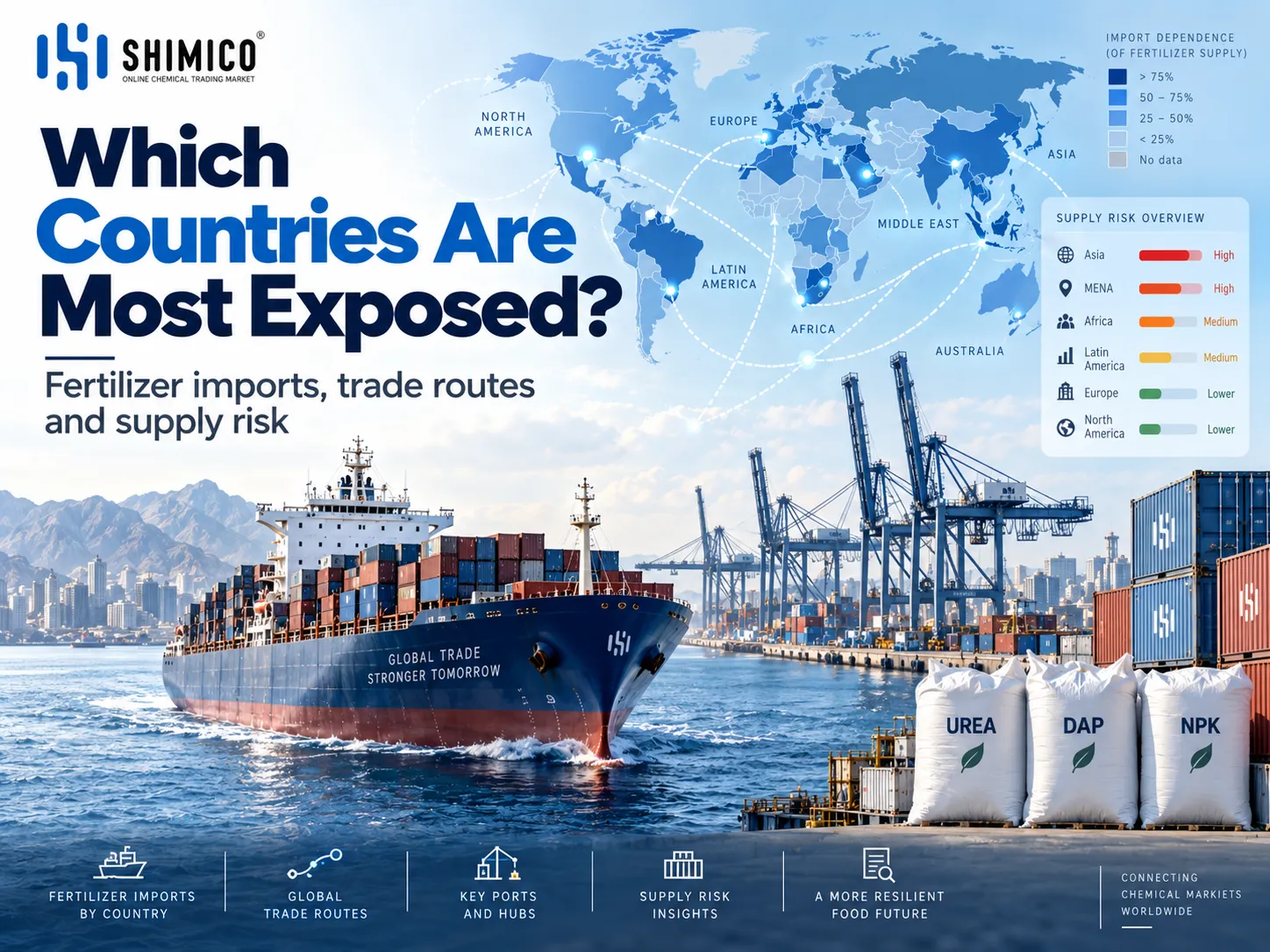
Exposure depends on three things: import dependence, supplier concentration and timing. A country can import a large share of fertilizer but still be less exposed if it has diversified origins and high inventories. Another country can have lower total import dependence but face a severe short-term problem if most prompt cargoes normally come from the Gulf.
IFPRI identifies Africa and South Asia as particularly vulnerable. Brazil is also highly exposed because it imports a large share of its fertilizer requirements. India is exposed through both direct fertilizer imports and LNG used in domestic nitrogen production. Australia and parts of Southeast Asia also buy large volumes linked to Gulf supply.
Iran War Impact on Fertilizer Imports in India
India is one of the world’s largest fertilizer consumers and importers. It buys urea and DAP directly while also importing LNG that supports domestic nitrogen production. The country therefore faces both a finished-product exposure and a feedstock exposure.
Inventory can soften the immediate shock, but the seasonal calendar matters. Kharif demand creates a large procurement requirement around the monsoon season. A long disruption can therefore turn a manageable inventory position into a tighter late-season market.
Iran War Impact on Fertilizer Imports in Brazil
Brazil imports most of the fertilizer used by its large soybean, maize, sugarcane and coffee sectors. IFPRI modeling cited in 2026 suggested that a prolonged Hormuz disruption could materially reduce Brazil’s cumulative urea imports. The effect would likely appear through higher costs, more aggressive procurement and possible shifts toward crops with lower nitrogen requirements.
Iran War Impact on Fertilizer Markets in Africa
African markets can be hit harder by the same global price increase because freight, financing and inland distribution already make fertilizer expensive. Some governments also operate subsidy programs that become costlier when world prices rise.
IFPRI has warned that countries with high import dependence and limited fiscal space face the greatest food-security exposure. The problem is not only fertilizer supply. Currency weakness can make a dollar-denominated price increase even larger in local currency.
Iran War Impact on Iran Fertilizer Production and Exports
The query Iran fertilizer production has also increased because Iran itself is a major producer of nitrogen fertilizers and petrochemicals. Iran has substantial natural-gas resources and a large urea industry.
IFPRI notes that official trade databases can understate Iranian exports, while International Fertilizer Association estimates indicate that Iran has been one of the largest urea exporters in the Gulf.
The commercial issue is not simply how much Iran can produce. Export volume depends on plant operating rates, gas supply, ports, shipping access, sanctions exposure, banking channels, destination-country rules and buyer risk tolerance.
Does Iran Export Fertilizers During the Iran War?
Iran remains an important fertilizer-producing country, but export activity can vary sharply with shipping access and commercial restrictions. Buyers should not infer current availability from nameplate capacity or historical export figures. A plant may be technically capable of producing while a cargo remains difficult to insure, finance or ship.
For the same reason, Iranian origin can trade at a discount in some circumstances while still carrying higher execution risk. The correct comparison is a full commercial comparison, not a headline price comparison.
Iran War Impact on Chemical and Fertilizer Markets: Can Other Suppliers Replace Gulf Supply?
Alternative supply exists, but replacement is not immediate. Russia, Belarus, China, Morocco, Canada, the United States, North Africa and Central Asia can all replace part of specific products. Yet each alternative has limits.
Russia and Belarus are major fertilizer exporters, especially in potash and nitrogen. Morocco is a major phosphate producer. Canada is a major potash supplier and an important sulfur source.
China can influence global nitrogen and phosphate availability through export policy. North American producers can supply ammonia, urea and sulfur. None of these origins can instantly replace every Gulf product at the same freight cost and delivery timing.
Iran War Impact on Fertilizer Supply Diversification
Supply diversification reduces dependence on one chokepoint, but it can raise normal-year procurement cost. Buyers may need to approve more origins, hold more safety stock, negotiate longer contracts, qualify backup specifications and accept higher freight from distant sources.
That is the trade-off. A single cheapest source can look attractive in a calm market. A diversified supplier base can look expensive until the day the cheapest route stops moving.
Procurement point:
Large fertilizer and chemical buyers should maintain approved alternatives for origin, port, packaging, vessel type and payment route. Supply diversification is most useful before a disruption, not after every buyer enters the same replacement market.
Iran War Impact on Fertilizer Prices: What Could Make Prices Fall Again?
War-related commodity spikes are not one-way markets. Several developments could push fertilizer prices lower: freer shipping through Hormuz, release of accumulated inventories, weaker seasonal demand, higher exports from China, increased supply from alternative producers, lower natural-gas prices or demand destruction caused by expensive fertilizer.
This explains why a buyer should separate a supply-security decision from a price-direction forecast. Buying more stock may reduce shortage risk, but it can also leave the buyer holding expensive inventory if prices fall quickly.
Iran War Impact on Fertilizer Markets After Hormuz Reopens
A reopening does not instantly normalize the market. Ships can face queues. Plants may need time to restart. Buyers may need to rebuild inventories. Ports can remain congested. Insurance can stay expensive after military risk falls.
IFPRI reported that a fertilizer plant restart after a shutdown can take roughly five to eight weeks in ordinary circumstances, while facilities with structural damage can take far longer. This creates a lag between political de-escalation and physical market normalization.
Iran War Impact on Fertilizer Market Volatility After Reopening
There is also a bearish risk after reopening. If Gulf producers accumulate large sulfur, urea or other inventories while exports are constrained, the release of those stocks can pressure prices once the route normalizes. The market can move from shortage premium to inventory liquidation faster than many buyers expect.
Iran War Impact on Chemical and Fertilizer Buyers: 2026 Procurement Checklist
Industrial procurement teams should turn the conflict into a measurable supplier-risk exercise. Instead of asking only, “Will the war continue?”, ask questions the purchasing team can actually act on.
For each high-volume product, record the approved origins, monthly consumption, days of inventory, shipment lead time, alternative port options, supplier concentration, payment route and the cost of a production shutdown. Those numbers reveal which products deserve safety stock and which can remain on spot buying.
| Procurement Check | What to Record | Why It Matters |
|---|---|---|
| Inventory coverage | Days/weeks of supply | Shows shortage exposure |
| Origin concentration | Share from Gulf / single country | Shows route dependence |
| Replacement lead time | Days from alternate supplier | Measures response speed |
| Specification flexibility | Approved grades, particle size, packaging | Expands supplier pool |
| Freight and insurance | Current delivered premium | Prevents false FOB comparisons |
| Quote validity | Hours or days | Shows market volatility |
Iran War Impact on Chemical Purchasing: RFQ Information Buyers Should Request
A stronger RFQ requests enough information to compare real offers. Ask for product grade, assay, COA, origin, producer, packaging, loading point, Incoterm, minimum order, available monthly tonnage, shipment window, payment method and quotation validity.
For regulated or application-sensitive chemicals, add SDS, contaminant limits, particle-size specification, feed or fertilizer registration where relevant, and any destination-country certificate requirement.
Source Bulk Chemicals and Fertilizers During a Volatile Market
Shimico connects industrial buyers and suppliers across chemical and fertilizer markets. For tonnage orders, compare product grade, COA, origin, packaging, shipment terms and current availability before placing an order.
Bulk chemical products for industrial buyers
Fertilizers and urea for agricultural and trading companies
Free product listing for chemical suppliers and exporters
Iran War Impact on Chemical and Fertilizer Markets: 2026 Outlook
The 2026 outlook depends less on one political headline than on physical market indicators. Buyers should watch vessel traffic through Hormuz, Gulf plant operating rates, LNG availability, war-risk insurance, urea tenders, sulfur export volumes, Chinese fertilizer export policy and phosphate operating rates.
A short de-escalation can lower risk premiums without restoring lost production. A sustained reopening can release delayed cargoes but also create port congestion. A longer disruption can push buyers toward alternative suppliers and reduce fertilizer use. These outcomes can happen in sequence rather than as separate scenarios.
Iran War Impact on Fertilizer Markets: Bullish Scenario
Prices remain firm if Gulf exports stay constrained, plant restarts are slow, natural gas remains expensive, insurers maintain high war-risk premiums, and importers rebuild inventory at the same time. Sulfur and ammonia can remain especially tight because both are inputs into other fertilizer chains.
Iran War Impact on Fertilizer Markets: Bearish Scenario
Prices can fall if shipping normalizes, Gulf inventories are released, China expands exports, seasonal demand weakens and farmers reduce purchases because of poor economics. In that case, the same inventories that created a storage problem during the disruption can become a source of excess supply after reopening.
Iran War Impact on Chemical Markets: What Buyers Should Assume
The safest planning assumption is not that prices must rise or fall. It is that volatility, shorter quote validity and execution risk remain higher than normal until freight, insurance and plant operations return to stable patterns.
Important:
This article is a market and supply-chain analysis, not a political endorsement and not a trading recommendation. Commodity prices can change quickly. Verify live quotations, freight, sanctions requirements, destination rules and contractual risk before purchasing.
Iran War Impact on Chemical and Fertilizer Markets
How does the war in Iran affect fertilizer prices?
It affects fertilizer prices through shipping restrictions, higher freight and insurance, natural-gas disruption, reduced Gulf urea and ammonia availability, and tighter sulfur supply for phosphate production. The World Bank reported that fertilizer prices reached their highest level since 2022 in spring 2026.
How has the Iran war impacted the chemicals industry?
The impact extends beyond fertilizers to petrochemicals and industrial chemicals through natural-gas feedstock costs, shipping disruption, insurance, port access, trade finance and delivery risk. Products exposed include ammonia, sulfur, sulfuric acid, methanol and several petrochemical chains.
How does the Iran war affect agriculture?
Higher fertilizer, fuel and freight costs can reduce farm margins. If farmers respond by applying less fertilizer, crop yields may decline later in the season. The effect depends on crop prices, soil fertility, weather, inventories and government support.
Does Iran export fertilizers?
Yes. Iran is a major nitrogen-fertilizer producer and has historically exported urea. Current exportability can differ from production capacity because shipping access, ports, sanctions, banking and buyer requirements affect execution.
Why does fertilizer go through the Strait of Hormuz?
Major Gulf producers of urea, ammonia, sulfur and phosphates ship from ports inside the Persian Gulf. The Strait of Hormuz is the main maritime exit from those ports to global markets.
Is there a fertilizer shortage in 2026 because of the Iran war?
Some markets have faced tight physical availability and sharply higher prices. The shortage is not uniform worldwide because inventories, alternative suppliers and local production differ by country. The main risk remains concentrated in products and buyers heavily dependent on Gulf supply.
Which fertilizers are most affected by the Iran war?
Urea and ammonia are highly exposed because of Gulf natural-gas and nitrogen production. DAP and MAP are exposed through sulfur, sulfuric acid, ammonia and regional phosphate supply. Potash is less directly exposed to Gulf production.
Why is sulfur important in the Iran war fertilizer story?
Gulf countries account for a large share of global traded sulfur. Sulfur is converted into sulfuric acid, which is required to process phosphate rock into phosphoric acid and fertilizers such as DAP and MAP.
Will fertilizer prices fall if the Strait of Hormuz fully reopens?
They may fall, but not necessarily immediately. Plant restarts, port queues, insurance, inventory rebuilding and delayed cargoes can keep the market tight. Later, release of accumulated Gulf inventories can create downward price pressure.
What should chemical and fertilizer buyers monitor now?
Monitor Hormuz vessel traffic, Gulf plant operating rates, natural-gas prices, sulfur exports, urea and DAP benchmarks, freight, war-risk insurance, Chinese export policy, supplier inventories and shipment lead times.
Iran War Impact on Chemical and Fertilizer Markets: Scientific and Market Sources
1. The Iran war’s impacts on global fertilizer markets and food production. International Food Policy Research Institute (IFPRI), April 1, 2026. Source
2. A Narrow Strait, Global Consequences: Hormuz Strait and Fertilizer Markets. IFPRI / AMIS, April 23, 2026. Source
3. How fertilizer policies could exacerbate Hormuz price shocks. IFPRI, May 22, 2026. Source
4. Iran war: From fertilizer to food crisis? IFPRI, June 2026. Source
5. Fertilizer prices surge as Strait of Hormuz disruptions tighten supplies. World Bank, May 14, 2026. Source
6. Commodity Markets Outlook, April 2026. World Bank Group. Source
7. The Iran War threatened a food crisis. The next Gulf conflict could do the same. Reuters, July 9, 2026. Source
Last Seen


Users Comment
Sulfur Prices After the Iran War: Is the Shortage Easing or Just Shift
Sulfur Concrete for Chemical Industries: Definition, Benefits & Uses
Sulfur for Infrastructure: Asphalt, Coatings & Concrete
The Top 10 Industrial Chemicals Shaping the World in 2026
How Urea Can Hydrate and Exfoliate Your Skin
Sodium carbonate| Soda ash; features and applications
Copper Sulfate; Features and applications
Sulfur; Features and applications
Zinc sulfate; Features and applications
Urea; Features and applications
Sodium bicarbonate; Features and applications
Ammonium Sulfate; Features and applications