













Buy Agricultural Fertilizer | Prices and Suppliers of Chemical, Organic, and Biofertilizers
This page is written for professional farmers, greenhouse managers, orchardists, cooperatives, agricultural input stores, distribution companies, and wholesale buyers. The goal is not merely to introduce fertilizers.
The buyer should know what formula they are buying, what the actual percentage of nutrients is, whether the product has a registration permit, what packaging and delivery terms are offered, and what the final cost of each unit of plant nutrient will be.
Quick Answer for Buying Agricultural Fertilizer and Requesting Chemical Fertilizer Prices
For buying agricultural fertilizer first specify the product type, crop, cultivated area, soil and water test results, application method, required quantity, and delivery location. Phrases such as “I want a good fertilizer” or “What is the best fertilizer on the market?” are not sufficient to receive a technical recommendation.
For wholesale orders, do not compare only the price of agricultural fertilizer . Guaranteed analysis, fertilizer material registration number, name of the manufacturer or importer, batch number, production date, solubility, moisture, packaging, minimum order, and freight cost should all be considered in a single comparison. A cheap fertilizer with a low nutrient percentage or high impurities may increase the actual cost of nutrition.
Include these items in the inquiry text: fertilizer name or formula, nutrient percentages, order quantity, packaging, crop and growth stage, application method, destination province and city, delivery time, and required documents. This information creates comparable offers.
Do not buy fertilizer based on color, word-of-mouth reputation, or a fixed recommendation for all farms. Soil and water test results and, where possible, plant tissue analysis should be the basis of the fertilization program.
What Is Agricultural Fertilizer and What Role Does Fertilizer Play in Plant Nutrition?
Fertilizer is an organic or mineral substance of natural or synthetic origin that is added to the soil or plant to supply one or more nutrients required for growth.
Iran’s fertilizer materials registration and quality control guideline, in addition to fertilizers, also places soil conditioners, plant growth enhancers, and growing media within the family of fertilizer materials. This definition clarifies the boundary between actual fertilizer, soil amendment, and vague marketing claims.
Plants obtain the required elements from air, water, and soil, but the soil does not always contain sufficient and plant-available amounts of every nutrient. Crop removal, leaching, erosion, phosphorus fixation, unsuitable pH, and salinity can limit plant access.
Fertilizer is useful when it corrects an actual deficiency with the right source, amount, timing, and method. More application does not always produce more yield. Sometimes it only increases salinity.

Iran’s Soil and Water Research Institute defines fertilizer as an organic or mineral substance added to soil or plants to supply one or more essential nutrients for growth.
Guideline for Registration, Monitoring, and Quality Control of Fertilizer Materials, Soil and Water Research Institute, 1405
The Role of Agricultural Fertilizer in Supplying Plant Nutrients
Nitrogen, phosphorus, potassium, calcium, magnesium, sulfur, and micronutrient fertilizers each cover a different part of plant needs. Nitrogen plays a role in protein and chlorophyll formation.
Phosphorus is associated with energy transfer, root development, and formation of reproductive organs. Potassium affects cellular water regulation, enzyme activity, and crop quality. These roles do not mean application without measurement.
The Role of Agricultural Fertilizer in Yield and Crop Quality
Balanced nutrition can support growth, flower formation, fruit retention, grain filling, color, size, and shelf life. The result depends on the main limiting factor in the field. When water shortage, severe salinity, root disease, or soil compaction is the primary factor, adding more fertilizer will not solve the problem. The purchasing program should target the real problem.
The Role of Organic and Biological Fertilizers in Soil
Organic fertilizer is a source of organic matter and some nutrients. Mature compost, processed manure, and vermicompost can support water-holding capacity, aggregate stability, and biological activity in soil.
Biofertilizer uses defined microorganisms for nitrogen fixation, phosphate solubilization, or growth stimulation. These products are not an automatic replacement for all mineral fertilizers and should be coordinated with soil and crop conditions.
| Role of Agricultural Fertilizer | Expected Effect | Condition for Achieving the Result | Common Mistake |
|---|---|---|---|
| Nutrient supply | Correcting deficiencies of N, P, K, and micronutrients | Testing and diagnosing deficiency | Applying several similar fertilizers without calculation |
| Yield increase | Supporting growth and crop formation | Adequate water, soil, and root health | Expecting yield increase from fertilizer alone |
| Quality improvement | Color, size, firmness, and crop composition | Application timing and nutrient balance | Late application or high dose |
| Soil improvement | Increasing organic matter and biological activity | Mature, high-quality organic fertilizer | Using raw or saline fertilizer |
| Stress management | Maintaining nutrient balance under salinity and drought | Correcting the main cause of stress | Presenting fertilizer as a guaranteed treatment |
| pH correction | Changing soil reaction with specific amendments | Soil testing and calculating requirements | Expecting any fertilizer to correct pH |
Types of Agricultural Fertilizer: Chemical, Organic, and Biological Fertilizers
Dividing fertilizers into chemical, organic, and biological categories is one of the most practical ways to understand the market. These three groups are not the same in terms of origin, nutrient concentration, release rate, storage conditions, and quality control methods. Correct selection begins with understanding these differences, not with labels such as natural or strong.
Chemical fertilizer usually has defined and higher nutrient percentages and allows accurate dose calculation. Organic fertilizer adds organic matter to the soil in addition to nutrients. Biofertilizer relies on the activity of living organisms or microbial products. In many farms, an integrated program using these groups is more logical than completely eliminating one of them.

Agricultural Chemical Fertilizer and the Speed of Nutrient Supply
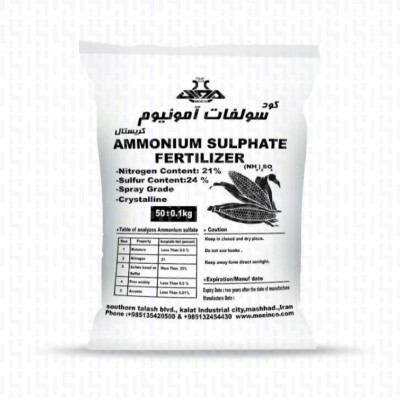
Chemical fertilizer is made from mineral or processed compounds, and nutrient percentages are clearly stated on its label. Urea, ammonium sulfate, diammonium phosphate, superphosphate, potassium sulfate, potassium nitrate, and NPK fertilizers are in this group. The speed of effect depends on solubility, temperature, moisture, pH, and application method.
Advantages and Limitations of Agricultural Chemical Fertilizer
The main advantage of chemical fertilizer is the ability to supply a calculated amount of nutrient in a smaller volume. Its limitation is the risk of salinity, burn, leaching, or nutrient imbalance when misapplied. A 46% urea bag cannot be directly compared by weight or purpose with an organic fertilizer containing 2% nitrogen.
Organic Fertilizer and Agricultural Organic Fertilizer
Organic fertilizer is made from plant, animal, or processed organic materials. Processed animal manure, compost, vermicompost, pelleted poultry manure, and some organic extracts are in this group. Organic fertilizer quality is measured by organic matter, organic carbon, carbon-to-nitrogen ratio, moisture, salinity, pH, weed seeds, pathogens, and heavy metals.
Why Is Not Every Organic Fertilizer a Certified Organic-Production Fertilizer?
The word organic is widely used in the market, but use in organic production is subject to the relevant rules and certification. The natural origin of a material alone does not prove that it is permitted in every organic production system. The buyer should review the registration permit, composition, and product restrictions.
Biofertilizer and Agricultural Biological Fertilizer
Biofertilizer contains defined strains of bacteria, fungi, or other biological agents. The product should clearly state viable population, microorganism name, production date, temperature conditions, and application method. Storage in heat, light, or freezing conditions can reduce viability. Buying biofertilizer without considering the storage chain carries high risk.
Nitrogen-fixing, phosphate-solubilizing, and root-stimulating fertilizers are found in this group. Their performance depends on soil, moisture, organic matter, crop type, and compatibility with pesticides and other fertilizers.
In the comparison table, chemical fertilizer has an advantage in concentration and dose calculation, organic fertilizer is relevant for organic matter and soil structure, and biofertilizer relates to microbial processes. These differences were explained in the paragraphs above, and the table is only a quick review.
| Type of Agricultural Fertilizer | Main Feature | Supply Speed | Purchasing Indicator | Important Risk |
|---|---|---|---|---|
| Chemical fertilizer | Defined percentage of mineral nutrients | Usually faster | Guaranteed analysis, solubility, salinity | Overapplication and increased EC |
| Organic fertilizer | Organic matter and nutrients at lower concentration | More gradual | Organic matter, moisture, salinity, maturity | Raw fertilizer, contamination, or high salinity |
| Biofertilizer | Microorganism or biological product | Dependent on biological establishment | Strain, population, date, and storage | Reduced viability during transport and storage |
| Organo-mineral fertilizer | Combination of organic matter and mineral nutrients | Combined | Percentage of each component and uniformity | Vague claim without complete analysis |
Types of Agricultural Chemical Fertilizer: From Nitrogen Fertilizer to NPK Fertilizer
Chemical fertilizer is divided into nitrogen, phosphate, potassium, and compound groups based on the dominant nutrient. This classification is important for wholesale purchasing because each group has a different market, packaging, storage behavior, and quality-control indicator. A nitrogen fertilizer is designed for vegetative growth, while potassium fertilizer is more closely associated with water regulation and crop quality.
The buyer should read the nutrient percentage on the correct basis. Phosphorus and potassium are reported on many fertilizer labels as P2O5 and K2O, not as pure elemental P and K. Comparing prices without considering this basis can be misleading.

Agricultural Nitrogen Fertilizer: Urea, Nitrate, and Ammonium
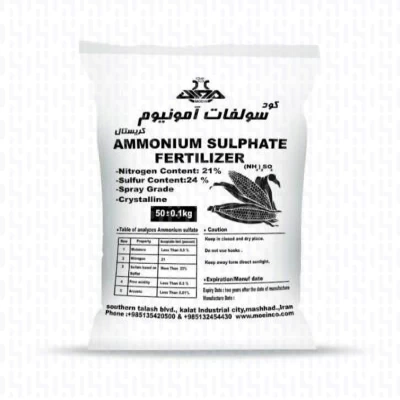
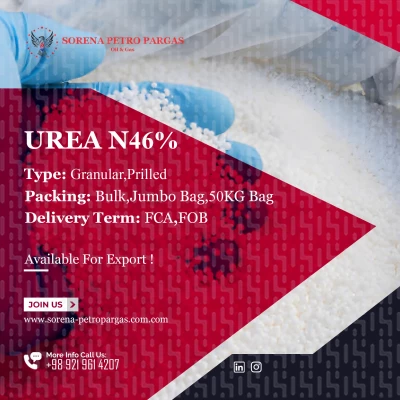
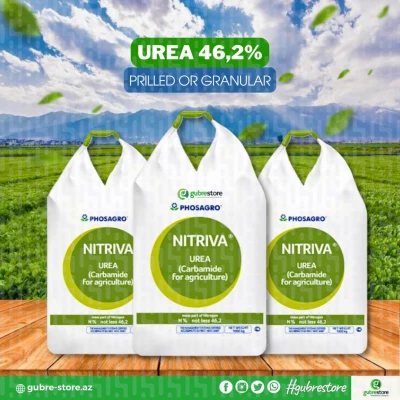
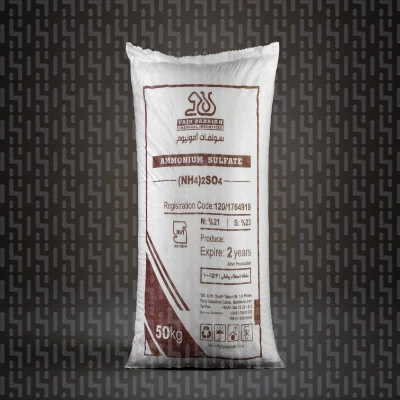
Urea with 46% nitrogen is one of the most concentrated solid nitrogen fertilizers. Ammonium sulfate supplies sulfur in addition to nitrogen. Nitrates provide part of the nitrogen in a rapidly available form. The choice among them depends on soil pH, salinity, temperature, application method, sulfur requirement, and risk of losses.
Agricultural Phosphate Fertilizer: DAP, MAP, and Superphosphate
Phosphorus is poorly mobile in soil and can become fixed at unsuitable pH values. Diammonium phosphate, monoammonium phosphate, single superphosphate, and triple superphosphate are common sources. Fertilizer placement, contact with roots, local pH, and application timing affect phosphorus availability. Unplanned surface application in calcareous soil does not necessarily produce the desired result.
Agricultural Potassium Fertilizer: Potassium Sulfate, Potassium Nitrate, and Potassium Chloride
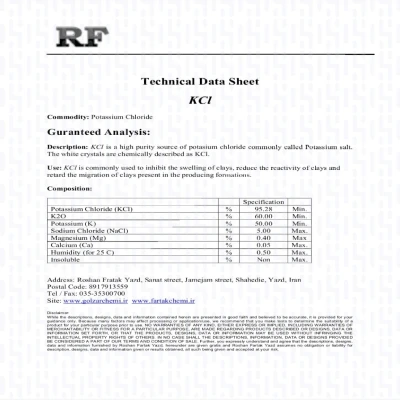
Potassium sulfate is a common choice for crops that are more sensitive to chloride or need sulfur. Potassium nitrate supplies both nitrate nitrogen and potassium and is used in fertigation. Potassium chloride is usually more economical in price, but its chloride load is not suitable for all crops and soils.
Agricultural NPK Fertilizer and 20-20-20, High-Phosphorus, and High-Potassium Formulas
NPK fertilizer combines nitrogen, phosphorus, and potassium in one product. The 20-20-20 formula has numerical balance, but equal numbers do not mean it is suitable for every growth stage.
The 10-52-10 formula is offered for periods of higher phosphorus demand, high-potassium formulas for quality and crop filling stages, and high-nitrogen formulas for vegetative growth.
Do not select an NPK formula only from the three numbers. The form of nitrogen, source of phosphorus and potassium, solubility, chloride, micronutrients, and compatibility with irrigation water should be reviewed.
What Are White Fertilizer and Black Fertilizer in Agriculture, and How Accurate Are These Names?
White fertilizer and black fertilizer are market and local terms, not precise scientific classifications.
In many regions, white fertilizer refers to urea, ammonium sulfate, or some light-colored nitrogen fertilizers. Black fertilizer may refer to diammonium phosphate, dark phosphate fertilizers, or humic materials. These terms are ambiguous without the product name and analysis.
For professional purchasing, convert the term white or black fertilizer into the chemical name and nutrient percentages. The seller should specify whether the product is 46% urea, 21% ammonium sulfate, DAP with a defined analysis, or humic acid with a defined percentage of active matter. Color is not a quality criterion.

What Product Is Usually Called White Agricultural Fertilizer in the Market?
Prilled or granular urea is the most common example of white fertilizer. Crystalline ammonium sulfate and some nitrates also have a light appearance. These products are not the same in nitrogen content, behavior in soil, sulfur content, acidifying effect, and leaching risk. Substituting them without calculation changes the nitrogen dose.
What Product Is Usually Called Black Agricultural Fertilizer in the Market?
Some farmers call DAP or dark phosphate fertilizer black fertilizer. In other regions, granular or powdered humic acid is also sold under this name. Before purchasing, request the exact name, P2O5 percentage, nitrogen, organic matter, solubility, and registration number.
Agricultural Macronutrient Fertilizers: Nitrogen, Phosphorus, Potassium, Calcium, Magnesium, and Sulfur
Macronutrients are elements that plants consume in larger amounts. Nitrogen, phosphorus, and potassium are considered primary nutrients. Calcium, magnesium, and sulfur are also classified as macronutrients. Higher requirement does not mean high application is risk-free. Balance among nutrients is decisive.
Nitrogen deficiency can limit growth and greenness, while excessive application may be associated with soft growth, delayed maturity, or increased susceptibility. Phosphorus deficiency limits root growth and energy transfer. Potassium deficiency affects water regulation and quality. Calcium, magnesium, and sulfur also have independent structural and metabolic roles.
The macronutrient table places common sources, roles, deficiency symptoms, and misuse risks side by side. These items were introduced in the text above; the table is used for quick purchasing comparison.

| Macronutrient | Common Fertilizer Sources | Role in the Plant | Possible Deficiency Symptom | Risk of Incorrect Application |
|---|---|---|---|---|
| Nitrogen | Urea, ammonium sulfate, nitrates | Growth, protein, chlorophyll | Yellowing of older leaves and reduced growth | Excessive growth and nitrogen losses |
| Phosphorus | MAP, DAP, superphosphate | Energy transfer, roots, and reproductive organs | Slow growth and sometimes darkening of leaves | Fixation in soil and disruption of micronutrient uptake |
| Potassium | Potassium sulfate, potassium nitrate, KCl | Water regulation, enzymes, and quality | Marginal scorch and reduced quality | Salinity and competition with calcium and magnesium |
| Calcium | Calcium nitrate, chelated calcium | Cell wall and young tissue growth | Disorders in young tissue and fruit quality | Precipitation in the tank with phosphate and sulfate |
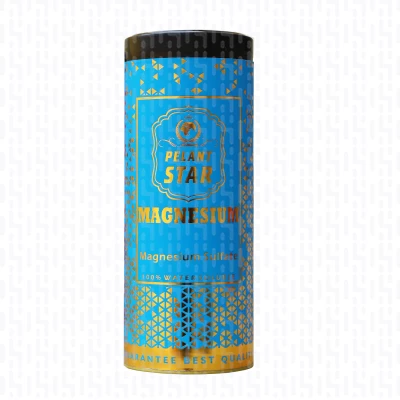
| Magnesium | Magnesium sulfate, magnesium nitrate | Center of chlorophyll and enzyme functions | Interveinal chlorosis of older leaves | Competition with potassium and calcium |
| Sulfur | Ammonium sulfate, bentonite sulfur, sulfates | Amino acids and protein | General yellowing in young tissue | Excessive acidification or salinity |
Agricultural Micronutrient Fertilizers: Iron, Zinc, Manganese, Copper, Boron, and Molybdenum
Plants need micronutrients in small amounts, but the small required quantity does not reduce their importance. Iron, zinc, manganese, copper, boron, and molybdenum play roles in enzymes, photosynthesis, cell division, meristem growth, and nitrogen metabolism. The margin between an adequate and harmful dose is narrow for some micronutrients, especially boron and copper.
The choice between chelated and sulfate forms depends on soil pH, application method, and cost. EDDHA chelate has greater stability for iron in calcareous soils. EDTA is suitable over a more limited pH range. Sulfates are economical, but in alkaline soils they may precipitate or become fixed more quickly.

| Micronutrient | Fertilizer Source | Main Role | Possible Deficiency Symptom | Purchasing and Application Consideration |
|---|---|---|---|---|
| Iron | EDDHA chelate, EDTA, iron sulfate | Chlorophyll formation and electron transfer | Interveinal chlorosis of young leaves | Chelate type should match soil pH |
| Zinc | Zinc sulfate, zinc chelate | Growth, hormones, and internode length | Small leaves and short internodes | High phosphorus can reduce availability |
| Manganese | Manganese sulfate or chelate | Photosynthesis and enzyme activity | Interveinal chlorosis and small spots | Risk of toxicity in very acidic soil |
| Copper | Copper sulfate or chelate | Enzymes and tissue strength | Weak shoot tips and reduced flowering | High application can harm roots and soil microbes |
| Boron | Boric acid, boron ethanolamine | Cell division, pollen, and sugar transport | Disrupted young growth and malformed produce | The safe application range is narrow |
| Molybdenum | Sodium or ammonium molybdate | Nitrate metabolism and nitrogen fixation | Symptoms similar to nitrogen deficiency | Application dose is very low |
Liquid Agricultural Fertilizer, Foliar Fertilizer, and Fertigation Fertilizer
Liquid fertilizer may be a true solution, suspension, or organic extract. Being liquid does not mean complete absorption or higher quality. Active-matter percentage, density, pH, EC, stability, sedimentation, compatibility, and application volume should be checked. One liter of a dilute product should not be compared with one kilogram of powdered fertilizer based only on price.
Foliar fertilizer is designed for application to leaves. Fertigation fertilizer should have high solubility and low insoluble impurities so that emitters and filters are not clogged. Some liquid fertilizers are suitable for soil application and can cause leaf burn. The application method on the label is decisive.

Buying Liquid Agricultural Fertilizer for Fertigation
When buying liquid fertilizer for irrigation, calculate the amount of nutrient per liter. Density and weight percentage can provide a more accurate picture of active material. Compatibility with hard water, high bicarbonate, and calcium or phosphate fertilizers should be checked with a jar test.
Buying Foliar Fertilizer for Leaf Uptake
In foliar application, concentration, pH, air temperature, leaf age, water quality, and drying time are important. Do not convert a soil dose into a foliar spray dose. A product’s suitability for foliar use should be stated on the label and application instructions. Spraying in extreme heat or on water-stressed plants increases the risk of burn.
Buying Fertigation Fertilizer for Drip Irrigation Systems
For fertigation, complete solubility, particle size, insoluble matter, chloride, sodium, and reaction with other fertilizers are important. Do not mix calcium with concentrated phosphate or sulfate in the same stock tank unless product compatibility has been confirmed. Two tanks, A and B, are used in many greenhouses to separate incompatible compounds.
Solid Agricultural Fertilizer: Powder, Crystal, Granular, Prill, and Pellet
The solid form affects dissolution rate, dust, spreading uniformity, caking, and application method.
Powdered fertilizer has a high surface area and may dissolve more quickly, but it produces more dust and caking. Crystal forms are suitable for making solutions. Granules and prills are widely used for mechanical spreading and bulk transport.
Pellets are more common in organic and organo-mineral fertilizers. Mechanical quality, size uniformity, resistance during transport, and disintegration rate should be controlled. A very hard granule may break down more slowly, while a weak granule may crush and turn to powder during transport.

Buying Water-Soluble Powdered and Crystalline Fertilizer
For powdered or crystalline fertilizer, insoluble-matter percentage, dissolution rate, and residue on the filter are important. A product sold for fertigation should dissolve at the stated concentration and temperature. Cold and hard water can reduce solubility.
Buying Granular, Prilled, and Pelleted Fertilizer for Soil Application
Granules should have a uniform size so that the fertilizer spreader creates a similar distribution. Urea prills are lighter and smaller than granules and behave differently in spreading and transport. Organic pellets should have controlled moisture and no abnormal odor.
Specialty Agricultural Fertilizers: Rooting, Flowering, Fruit Set, and Fruit Sizing Fertilizers
The names rooting, flowering, fruit set, and fruit sizing are functional titles. The actual composition of the product should support these names.
A rooting fertilizer may contain phosphorus, zinc, humic acid, amino acid, or biostimulants. A flowering fertilizer may provide phosphorus, boron, and zinc. A fruit-sizing fertilizer usually contains potassium, calcium, or a combination suited to the growth stage.
No product gives a fixed result regardless of plant condition, water, crop load, and application timing. The seller should provide analysis, dose, application method, and mixing restrictions.

Agricultural Rooting Fertilizer for Transplants, Saplings, and Initial Establishment
During root establishment, available phosphorus, zinc, soil aeration, and soil moisture are important. A rooting product should not be presented as a standalone solution in saturated soil or for diseased roots. Drainage, salinity, and root health should be checked first.
Agricultural Flowering and Fruit Set Fertilizer
Flowering and fruit-set programs depend on the plant’s nutrient reserves, boron, zinc, nitrogen, temperature, and pollination. Excessive nitrogen application near flowering can disrupt the balance between vegetative and reproductive growth. The boron dose should also be limited and precise.
High-Potassium Fertilizer and Calcium for Fruit Quality
Potassium affects sugar transport and water regulation, and calcium is associated with tissue quality. Calcium has limited mobility in the phloem, so application timing and method are important. Increasing solution concentration alone does not guarantee calcium entry into the fruit.
Buying Agricultural Fertilizer Based on Soil, Water, and Leaf Analysis
Soil testing shows the status of pH, salinity, texture, organic matter, and some available nutrients. Water testing identifies salt load, bicarbonate, sodium, and chloride. Leaf analysis shows the plant’s actual nutritional status at the time of sampling. Using these data together prevents random fertilizer purchases.
A poor sample or incorrect sampling time can distort the result. A non-uniform field should be divided into similar units. Areas where fertilizer has accumulated, canal edges, burned spots, or abnormal patches should not be mixed with the general sample unless the purpose is to investigate that specific patch.

The FAO guide considers soil and plant testing a basis for rational fertilizer use and for developing recommendations suited to fertility conditions.
Soil and Plant Testing and Analysis as a Basis of Fertilizer Recommendations, FAO
What Information Does Soil Testing Provide for Selecting Agricultural Fertilizer?
pH provides information about nutrient availability and selection of fertilizer form. EC indicates the severity of salinity. Texture affects water and nutrient retention. Organic matter is related to the gradual supply capacity of nitrogen and soil structure. Phosphorus, potassium, and micronutrients should be interpreted using the relevant test method and regional interpretation limits.
Why Is Water Testing Necessary When Buying Fertigation Fertilizer?
Water with high bicarbonate, calcium, and magnesium can change solution pH and precipitation risk. High sodium and chloride also increase the salinity load. A fertigation program designed without knowing the water quality may turn appropriate ratios on paper into an overly saline solution in the field.
Leaf Analysis for Adjusting the Agricultural Fertilizer Program
Leaf analysis is used to monitor nutritional status during the season. The leaf should be sampled from the recommended organ, age, and time. Incorrect washing or contamination from foliar spraying can change nutrient results. Interpretation should be performed according to the growth stage and standards for that crop.
Agricultural Fertilizer Program with the Appropriate Source, Rate, Timing, and Placement
A defensible fertilization program answers four questions: what source, how much, when, and where it should be applied. Choosing a fertilizer without the other three components is incomplete. Even the best fertilizer may not become available to roots or may be lost if applied at the wrong time or place.
The appropriate source should be compatible with the soil, crop, and application method. The amount is derived from nutrient budgeting and yield target. Timing is coordinated with the crop’s uptake pattern. Placement should put the fertilizer near the active root zone while reducing the risk of concentrated contact with seed or roots.

Appropriate Agricultural Fertilizer Source
The choice among urea, ammonium sulfate, calcium nitrate, or NPK is not based only on nitrogen percentage. The accompanying sulfur, calcium, nitrate, ammonium, chloride, and effect on pH should be reviewed. The appropriate source matches the farm’s objective and limitations.
Appropriate Agricultural Fertilizer Rate
The amount should be converted to kilograms of nutrient per hectare. When a fertilizer contains 20% nitrogen, every 100 kilograms of it supplies a nominal 20 kilograms of nitrogen. Uptake efficiency, losses, and the soil contribution are also considered in the final recommendation.
Appropriate Timing for Agricultural Fertilizer
Splitting nitrogen fertilizer into several applications can improve the synchronization of supply and uptake. Phosphorus is usually applied before planting or near the roots. Potassium may be applied as a base dose or split during growth depending on soil and crop. A fixed program for all climates is not reliable.
Appropriate Placement of Agricultural Fertilizer
Broadcasting, banding, localized pit application, fertigation, and foliar spraying each have different purposes. Direct contact of concentrated fertilizer with seed can cause damage. In orchards, fertilizer should be placed in the active root zone and according to the irrigation system, not directly beside the trunk.
Agricultural Fertilizer COA, Registration Permit, and Standard Label
A COA, or certificate of analysis, shows the results for a specific product batch. The product label identifies the guaranteed analysis, weight, manufacturer or importer, registration number, application method, and warnings. These two documents complement each other. An advertising image or a general analysis on a website does not replace the COA for that batch.
Iran’s fertilizer materials registration and quality-control guideline emphasizes product identification, quality control throughout the supply chain, and supervision over production, import, distribution, and sales. A wholesale buyer should match the registration number and package specifications with the proforma invoice and COA.

Which Parameters Should Be Checked in an Agricultural Fertilizer COA?
For mineral fertilizer, the percentages of nitrogen, phosphorus, potassium, sulfur, calcium, magnesium, and claimed micronutrients are checked. Solubility, moisture, chloride, sodium, biuret, heavy metals, and particle size may be important depending on the product. For organic fertilizer, organic matter, organic carbon, moisture, pH, EC, and contaminants are relevant.
Fertilizer Material Registration Number and Authenticity of Agricultural Fertilizer
The registration number should be legible and match the product name and company. Differences in trade name, nutrient percentages, or manufacturer require investigation. Packaging without Persian labeling, without a batch number, or with an altered date carries higher risk. The buyer should keep the official invoice and seller details.
Agricultural Fertilizer Label and Guaranteed Analysis
The guaranteed analysis shows the committed minimum or range. The phrase “contains micronutrients” is not sufficient without percentages. The application instructions should clarify amount, frequency, target crop, and mixing restrictions. A label that lists only benefits while hiding the composition is not a suitable basis for wholesale purchasing.
The table below summarizes the document checklist for purchasing. The role of each document was explained in the text before the table. The buyer should obtain these items for the same product and the same shipment.
| Fertilizer Purchase Document | What Does It Show? | Matching Point | Risk of Missing Document |
|---|---|---|---|
| Product label | Name, guaranteed analysis, weight, and application method | Should match the proforma invoice | Buying an ambiguous product |
| Fertilizer material registration number | Product registration within the domestic framework | Name and company should be matched | Risk of unauthorized supply |
| COA for the same batch | Shipment test result | Batch number and date should be checked | Quality discrepancy |
| SDS | Hazards, PPE, storage, and emergency response | Version corresponding to the same formula | Unsafe storage and transport |
| Invoice and waybill | Seller, weight, and delivery route | Should match vehicle plate and number of packages | Financial discrepancy and weak traceability |
| Retention sample | Reference for dispute resolution | Should be sealed and documented | Dispute without a reference |
Agricultural Fertilizer Manufacturers in Iran: Petrochemical Producers of Urea, Ammonia, and Phosphate Fertilizer
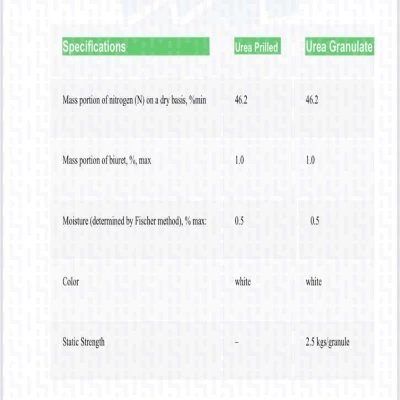
Pardis Petrochemical, Shiraz Petrochemical, Khorasan Petrochemical, Kermanshah Petrochemical Industries, Lordegan Petrochemical, Masjed Soleyman Petrochemical Industries, and Hengam Petrochemical are part of the urea and ammonia production chain. Urea produced by these complexes is one of the main nitrogen sources for agriculture, but prilled or granular form, biuret percentage, moisture, particle size, supply conditions, and loading location differ among shipments.
Razi Petrochemical has a different position and, in addition to ammonia and basic products, is known for diammonium phosphate fertilizer and the nitrogen and phosphate fertilizer chain. Urmia Petrochemical also produces ammonium sulfate and potassium sulfate. These two complexes are important for buyers who need phosphate, sulfur-containing nitrogen, or potassium fertilizers, not only urea.

| Base Fertilizer Producer | Products Related to Agricultural Fertilizer | Location or Production Area | Required Control Before Purchase |
|---|---|---|---|
| Pardis Petrochemical | Urea and ammonia | Asaluyeh, Bushehr Province | Urea grade, granular or prilled form, supply channel, and loading location |
| Shiraz Petrochemical | Urea, ammonia, ammonium nitrate, and nitrogen products | Fars Province | Product analysis, production-unit status, and delivery terms |
| Khorasan Petrochemical | Urea and ammonia | Bojnord, North Khorasan | Packaging type, COA, domestic allocation, and loading schedule |
| Kermanshah Petrochemical Industries | Urea and ammonia | Kermanshah Province | Product form, particle size, loading origin, and current inventory |
| Lordegan Urea Chemical Fertilizer Company | Urea and ammonia | Chaharmahal and Bakhtiari | Urea grade, domestic or export sales terms, and minimum order |
| Masjed Soleyman Petrochemical Industries | Granular urea and ammonia | Khuzestan | Shipment COA, supply terms, and freight cost to destination |
| Hengam Petrochemical | Urea and ammonia | Asaluyeh, Bushehr Province | Current supply status, product specifications, and official sales channel |
| Razi Petrochemical | Diammonium phosphate, ammonia, and basic products for nitrogen and phosphate fertilizers | Mahshahr, Khuzestan | DAP analysis, nitrogen and phosphorus percentage, particle form, and distribution terms |
| Urmia Petrochemical | Ammonium sulfate and potassium sulfate | West Azerbaijan | Nitrogen, sulfur, or potassium percentage, moisture, powdered or granular form |
What Is the Difference Between Buying Agricultural Fertilizer from a Petrochemical Complex and from a Supplier?
A petrochemical complex is a primary producer, but it does not sell every order directly or at every volume. Part of the product may be supplied through the commodity exchange, distribution networks, the Agricultural Support Services Company, wholesale contracts, or export channels.
Small and medium buyers usually purchase from suppliers or distributors, while tonnage buyers may have access to official supply channels or direct contracts.
When buying from a supplier, the petrochemical name on the product is only one part of the verification. The seller should clarify ownership or authorization to sell the cargo, allocation or release number, warehouse location, product batch, COA, and delivery terms. A claim that the urea is from a petrochemical plant without loading documents or traceability is not sufficient to confirm authenticity.
Which Specifications Should Be Checked When Buying Urea and Petrochemical Fertilizer?
For urea, nitrogen percentage, biuret, moisture, particle size, granule strength, dust, and prilled or granular form are checked. For diammonium phosphate, available nitrogen and phosphorus percentage, moisture, and particle uniformity are important. For ammonium sulfate, nitrogen and sulfur percentage, acidity, moisture, and powder or granule form are checked. For potassium sulfate, K2O, chloride, moisture, and solubility are important.
Comparison of Iranian and Foreign Agricultural Fertilizer Brands and Suppliers
Being Iranian or foreign is not by itself a quality indicator. An Iranian product may offer advantages in price, availability, fast delivery, and domestic follow-up. An imported product may offer a specialized formula or established track record, but exchange rate, authenticity, production date, and longer storage should be checked.
The comparison should place equivalent products against each other. A water-soluble NPK with low chloride and chelated micronutrients should not be compared with a general granular blended fertilizer based only on price per kilogram. Real value comes from the amount of usable nutrients, formula quality, and delivered cost.

Criteria for Comparing Iranian and Foreign Agricultural Fertilizers
Guaranteed analysis, test method, solubility, insoluble matter, chloride, sodium, heavy metals, chelate type, registration number, packaging, and supply stability are the main criteria. For biofertilizer, strain and viable population are also added.
Authenticity of Foreign Agricultural Fertilizer Brands
Persian label, importer name, registration number, production batch, barcode or tracking method, intact packaging, and official invoice should be checked. A very low price, poor printing, errors in the product name, and differences in weight or package cap are signs that further verification is needed.
Wholesale Agricultural Fertilizer Buying Guide for Farms, Greenhouses, and Distribution Networks
Wholesale purchasing is different from buying a few retail packages. Order quantity, batch uniformity, supply capacity, delivery scheduling, destination storage, and cash flow affect the decision. A product that performs well in a one-kilogram sample should also have uniform specifications in a multi-ton shipment.
A better purchasing process begins with defining specifications, then checking the seller and documents, approving a sample, writing the contract terms, and inspecting the shipment during loading and delivery. Omitting any step can postpone the dispute until after unloading.
Defining Agricultural Fertilizer Order Specifications
The product name, formula, nutrient percentages, physical form, solubility, chloride, moisture, packaging, quantity, weight tolerance, and delivery date should be written in the purchase request. For organic or biological fertilizer, parameters related to organic matter and viability should also be added.
Sampling and Approval Before Tonnage Fertilizer Purchase
The sales sample should represent the shipment. A laboratory-made sample or a package from another batch does not guarantee cargo acceptance. The contract should specify a retention sample and the COA for the same batch as the reference.
Agricultural Fertilizer Purchase Contract and Dispute Resolution Method
The contract should define acceptance criteria, test method, reference laboratory, time for reporting results, conditions for rejected cargo, return cost, reference weight, and point of transfer of responsibility. The general phrase “excellent quality” is not measurable.
The wholesale purchasing table shows the order stages from defining the need to delivery. Each stage was explained in the text before the table, and the table is designed for use by the purchasing department.
| Wholesale Fertilizer Purchase Stage | Required Action | Document or Data | Risk of Omitting the Stage |
|---|---|---|---|
| Defining the need | Determining product, formula, and quantity | Test result and purchase request | Non-comparable offers |
| Seller approval | Checking role and permit | Company and product documents | Non-delivery or sale of an invalid product |
| Quality approval | Checking sample and COA | Retention sample and batch analysis | Dispute after loading |
| Commercial agreement | Price, tax, freight, and payment | Proforma invoice and contract | Hidden cost |
| Loading control | Quantity, weight, pallet, and covering | Report and waybill | Shortage or package damage |
| Delivery control | Visual inspection and destination sampling | Receipt and acceptance report | Loss of the ability to object |
Today’s Agricultural Fertilizer Price and Factors Affecting Chemical Fertilizer Prices
Agricultural fertilizer price depends on the nutrient type, active-matter percentage, raw-material source, energy, exchange rate, brand, registration, packaging, order volume, inventory, and freight. The price of urea cannot be compared with iron chelate fertilizer or biofertilizer. Even within one group, granular, prilled, water-soluble, or coated forms have different costs.
Application season and distance to destination are also important. Higher demand before planting, transport restrictions, low inventory, or small orders can increase the delivered price. For correct decision-making, ex-factory price and delivered-to-farm price should be recorded separately.

Agricultural Fertilizer Price Based on Nutrient Percentage
Cost per unit of nutrient is a useful criterion. If two nitrogen fertilizers contain 46% and 21% nitrogen respectively, the price per kilogram of product does not show the full picture. The price should be converted to the cost per kilogram of nitrogen, and then the role of sulfur, nitrogen form, and application cost should be considered.
Price of Iranian Fertilizer and Imported Fertilizer
Imported fertilizer is affected by exchange rates, international freight, customs, registration costs, distribution, and inventory risk. Iranian fertilizer may benefit from domestic feedstock and a shorter delivery network. The quality of both groups should be measured with documentation.
Price of Government-Allocated Fertilizer and Free-Market Fertilizer
Some basic fertilizers may be supplied through support channels and under allocation rules. Price, quota, and eligibility conditions can change. Free-market fertilizer is purchased from the commercial market, and freight and intermediary costs affect it. The buyer should clearly identify the supply channel on the invoice.
Calculate the final price from the sum of base price, tax, packaging, loading, freight, unloading, financing cost, and risk of quality loss. Then consider the amount of usable nutrient in each kilogram of product.
Price factors are summarized in the table. The text above explained that comparison should be based on nutrient, quality, and delivered cost.
| Fertilizer Price Factor | Typical Effect | Buyer’s Comparison Method |
|---|---|---|
| Nutrient percentage | More concentrated fertilizer usually has a higher unit price | Calculate the cost per kilogram of nutrient |
| Solubility and purity | Water-soluble grade and low impurities are more expensive | Has greater value for fertigation |
| Chelate type | EDDHA and more stable chelates cost more | Soil pH and isomer percentage should be checked |
| Brand and origin | Production, import, and distribution-network costs differ | Brand does not replace the COA |
| Packaging | Small containers cost more per kilogram than tonnage packaging | Order size should match consumption |
| Freight | Distance and cargo type affect delivered price | Warehouse price should be separated from destination-delivered price |
| Season and inventory | Peak demand and limited supply change the price | The validity period of the proforma invoice should be recorded |
Agricultural Fertilizer Packaging: Bags, Jerry Cans, Drums, IBCs, and Jumbo Bags
Packaging should protect the product from moisture, tearing, light, contamination, and leakage. Solid fertilizer is usually supplied in polypropylene bags with an inner liner, multilayer sacks, or jumbo bags. Liquid fertilizer is packaged in bottles, jerry cans, drums, or IBCs. The container material should be compatible with the formula.
Net weight, batch number, date, product name, analysis, registration number, manufacturer, and warnings should be legible. Damaged or resewn packaging requires inspection. For wholesale orders, the number of bags per pallet and the cargo-securing method should also be agreed upon.

Packaging of Solid Agricultural Fertilizer
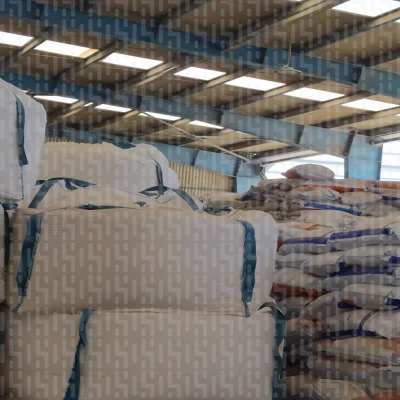
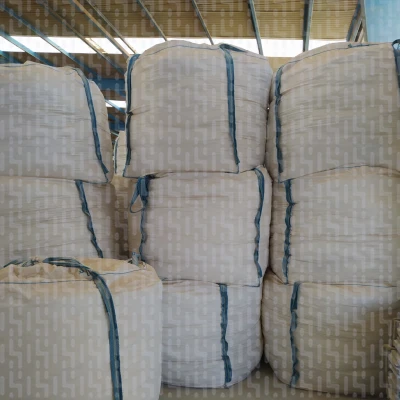
Bags of 25 and 50 kilograms are common. An inner liner is important for moisture-sensitive fertilizers. Jumbo bags reduce packaging costs at high tonnage but require suitable unloading and storage. Water-soluble crystalline fertilizer should be completely protected from moisture.
Packaging of Liquid Agricultural Fertilizer
HDPE jerry cans in various volumes are common. Seal integrity, leakage, container swelling, sediment, and phase separation should be checked. IBCs are suitable for wholesale purchasing, but the valve, pallet, container production date, and cleanliness are important.
The packaging table shows which container is suitable for each form and volume. Details of each type were explained in the preceding paragraphs.
| Fertilizer Packaging Type | Common Application | Advantage | Required Check |
|---|---|---|---|
| 25 kg bag | Powdered, crystalline, and NPK fertilizer | Manual handling and batch control | Tearing and moisture absorption |
| 50 kg bag | Urea and basic fertilizers | Lower packaging cost | Higher weight during handling |
| Jumbo bag | Tonnage granular fertilizer | Fewer packages | Requires forklift and unloading space |
| Jerry can | Liquid fertilizer and solution | Small and medium-scale use | Leakage and deformation |
| Drum | Industrial or concentrated liquids | Larger volume | Compatibility and unloading control |
| IBC | Bulk liquid fertilizer | Valve discharge and pallet handling | Tank cleanliness and valve integrity |
Storing Agricultural Fertilizer in Warehouses and Preventing Caking
A fertilizer warehouse should be dry, ventilated, cleanable, and protected from rainwater and direct sunlight. Bags should be stacked on pallets and kept away from walls. Stack height should be compatible with package strength and safety instructions. Moisture entry is the main cause of caking in many soluble fertilizers.
The first-in, first-out principle helps reduce excessive storage time. Batches should be separated and labeled. Incompatible fertilizers, combustible materials, pesticides, feed, and seed should not be stored together without assessment. Ammonium nitrate has more specific requirements and should be stored according to its SDS and relevant regulations.

The IFA safety guide emphasizes hazard identification, segregation of incompatible materials, warehouse order, employee training, and emergency-response preparedness throughout the fertilizer chain.
IFA Safety Handbook, Fourth Edition
Preventing Moisture and Caking in Agricultural Fertilizer
In a humid warehouse, moisture-absorbing salts dissolve on the surface and then recrystallize, causing particles to stick together. Intact packaging, pallets, ventilation, shorter storage time, and avoiding severe temperature fluctuations reduce the risk. Breaking cakes with heavy impact can tear the package.
Storage of Biofertilizer and Liquid Fertilizer
Biofertilizer may have a specified temperature range and should not remain in a hot vehicle or warehouse. Liquid fertilizer should be protected from freezing, excessive heat, and light. Reversible sediment that disappears with shaking is not the same as spoilage or persistent phase separation. The label instructions are the basis.
Loading and Delivery of Agricultural Fertilizer: Controlling Weight, Pallets, and Shipment Integrity
The truck or container should be dry, clean, and free from residues of incompatible materials. A wet floor, odor from previous cargo, protruding nails, or a torn tarpaulin can damage the shipment. The number of bags, net weight, batch number, and pallet condition should be recorded before departure.
At the destination, the seal, waybill, number of packages, and appearance of the shipment should be checked. Random sampling from several points is reasonable for large orders. Weight discrepancies or package damage should be recorded before confirming receipt. Moving a wet bag directly into a dry warehouse can transfer moisture to the entire stack.

Loading Solid Agricultural Fertilizer
Bags should be stacked uniformly and secured against movement. Uncovered cargo should not be exposed to rain or fog. Broken pallets and sharp corners create a tearing risk. For jumbo bags, lifting capacity and loops should be checked.
Loading Liquid Agricultural Fertilizer
Jerry cans and IBCs should be checked for leakage and seal integrity. The IBC should be secured on a stable surface, and the valve should not face a direction where it may be struck. Liquid materials should not be placed beside products whose leakage could cause a reaction or contamination.
Agricultural Fertilizer Safety and SDS Considerations in Storage, Mixing, and Application
Fertilizer hazards are not all the same. Some products have irritating dust, some are oxidizers, some create acidic or alkaline solutions, and some make floors slippery when exposed to moisture. The SDS for each product should be read before storage and use.
Gloves, goggles, work clothing, and respiratory protection should be selected according to the actual hazard. A dust mask is not suitable for ammonia vapor or gas. Eyewash facilities, emergency water, and spill-collection procedures should be defined in the warehouse and solution-preparation area.

Mixing Agricultural Fertilizers and the Jar Test
Calcium can precipitate with concentrated phosphate and sulfate. Combining fertilizer with pesticides, acids, or organic materials also carries risk without a compatibility assessment. Mix a small amount of water and materials in the same ratio in a transparent container and check for temperature change, precipitation, flocculation, foam, or separation. This test does not replace the manufacturer’s instructions.
Hazards of Ammonium Nitrate and Oxidizing Fertilizers
Ammonium nitrate should not come into contact with fuel, oil, organic materials, or certain contaminants. Heat and fire can cause dangerous decomposition. Warehouses for this group should be designed and operated according to regulations and the specific SDS. Applying urea storage conditions to ammonium nitrate is incorrect.
Fertilizer Dust and Respiratory Protection
Dust is generated when powder is unloaded or bags are broken. Local ventilation, gentle unloading methods, suitable packaging, and low-dust cleaning methods are useful. Compressed air used to clean clothing can disperse particles into the environment.
Export and Import of Agricultural Fertilizer: Documents, Analysis, and Packaging
Fertilizer trade depends on product type, destination-country regulations, registration, labeling, standards, analysis, and transport restrictions. There is no single tariff code for all fertilizers. Nitrogen, phosphate, potassium, NPK, organic, and biological fertilizers fall under different classifications. The customs broker should confirm the final classification.
For export, the COA, SDS, certificate of origin, invoice, packing list, bill of lading, pallet specifications, and certificates required by the destination are prepared. Biological or organic fertilizer may require quarantine or contamination-control documents.

Export Packaging for Agricultural Fertilizer
The bag should withstand the route, moisture, and multiple handling stages. English or destination-language printing, net weight, batch, country of origin, and handling marks should be included according to the contract. Wooden pallets on some routes must comply with wood-quarantine requirements.
Buying Imported Fertilizer and Authenticity Control
For wholesale orders, the factory name, country of manufacture, importer, domestic registration number, production date, batch, and customs documents should be checked. An attached Persian label should not cover or conflict with the original manufacturer information.
Why Is Buying Agricultural Fertilizer Through SHIMICO Suitable for Comparing Suppliers?
SHIMICO is a platform for listing advertisements and B2B communication between buyers and sellers of chemical and agricultural materials. The buyer can register the fertilizer type, formula, quantity, packaging, destination, and documents in a purchase request and compare offers from several suppliers on a clear basis.
Having several offers alone does not create a correct decision. The specifications should be equivalent. SHIMICO provides the communication and comparison channel, but final confirmation of quality, permits, contracts, and the suitability of the fertilizer for the farm remains the responsibility of the parties and relevant specialists.

Submitting an Agricultural Fertilizer Purchase Inquiry on SHIMICO
In the inquiry, enter the exact product name, analysis, quantity, packaging, delivery city, timing, and payment terms. For a specialty product, also add the soil test result or intended use to receive more relevant offers.
Posting an Agricultural Fertilizer Sales Advertisement on SHIMICO
The seller should clearly state the guaranteed analysis, registration number, inventory, minimum order, loading location, packaging type, and ability to provide a COA. An advertisement with precise technical information creates shorter negotiations and greater trust.
Wholesale Agricultural Fertilizer Purchase and Posting Sales Advertisements on SHIMICO
Register the formula, quantity, packaging, delivery location, and required documents, and compare supplier offers based on identical specifications.
View Fertilizer Prices and Buy Fertilizers Post Chemical and Agricultural Product Advertisements for FreeReviews from Agricultural Fertilizer Buyers on SHIMICO
For a wholesale NPK fertilizer purchase, we received several offers from different suppliers. We compared nutrient percentages, solubility, registration number, packaging, and delivery cost side by side and ordered the product that matched our organization’s fertilization program.
We needed a completely soluble fertilizer for the drip-irrigation system. Before purchasing, the analysis, insoluble-matter level, and product compatibility with the fertilizer tank were reviewed. The order was delivered to the complex in intact packaging and according to the stated schedule.
When buying iron chelate, we did not use price as the only criterion. We reviewed the chelate type, nutrient percentage, stability in calcareous soil, and the product analysis sheet. The ability to compare offers on SHIMICO helped us select a more suitable product.
For tonnage purchasing, actual inventory, batch number, bag type, number of pallets, and loading time were important to us. The supplier provided shipment information before dispatch, and the cargo was delivered after the package count and packaging integrity were checked.
Frequently Asked Questions About Buying, Pricing, and Selling Agricultural Fertilizer
What Is Agricultural Fertilizer?
Which Is the Best Agricultural Fertilizer?
What Is the Difference Between Chemical, Organic, and Biological Fertilizers?
What Is White Fertilizer?
What Is Black Fertilizer?
What Is NPK Fertilizer?
Is 20-20-20 Fertilizer Suitable for All Plants?
Is Soil Testing Necessary Before Buying Fertilizer?
What Information Does a Fertilizer COA Contain?
What Is a Fertilizer Registration Number?
How Can Authentic Fertilizer Be Identified?
Is Liquid Fertilizer Better or Powdered Fertilizer?
Is Granular Fertilizer Better or Powdered Fertilizer?
What Factors Affect the Price of Agricultural Fertilizer?
How Should the Prices of Two Fertilizers Be Compared?
Is Iranian Fertilizer Better or Foreign Fertilizer?
Which Fertilizers Should Not Be Mixed with Calcium?
Do Fertilizers Have an Expiration Date?
Why Does Fertilizer Cake?
How Should Fertilizer Be Stored in a Warehouse?
Which Fertilizer Is Suitable for Root Growth?
Which Fertilizer Is Suitable for Flowering?
Which Fertilizer Is Suitable for Fruit Sizing?
When Should Foliar Fertilizer Be Applied?
Can Organic Fertilizer Cause Salinity?
Can Biofertilizer Completely Replace Chemical Fertilizer?
How Should a Fertilizer Supplier Be Evaluated?
What Documents Are Required for Wholesale Fertilizer Purchase?
What Is Suitable Packaging for Solid Fertilizer?
How Can Agricultural Fertilizer Be Bought on SHIMICO?
Scientific and Official Sources for the Agricultural Fertilizer
| Title | Publisher | Date | Link |
|---|---|---|---|
| Guideline for Registration, Monitoring, and Quality Control of Fertilizer Materials | National Soil and Water Research Institute | 1405 | View Source |
| Comprehensive Guide to Chemical, Organic, and Biological Fertilizers | Soil and Water Research Institute | 1400 | View Source |
| Fertilizer and Plant Nutrition Bulletin: Plant Nutrition for Food Security | FAO | 2006 | View Source |
| Soil and Plant Testing and Analysis as a Basis of Fertilizer Recommendations | FAO | FAO archive | View Source |
| Fertilizer Recommendations Guide | USDA NRCS / University Extension | 2023 | View Source |
| IFA Safety Handbook, 4th Edition | International Fertilizer Association | 2021 | View Source |
| What Are Fertilizers? | International Fertilizer Association | Current web resource | View Source |
| Agricultural Fertilizer Suppliers and Buy/Sell Listings | SHIMICO | Current page | View Source |