





Buy 98% Industrial Sulfuric Acid; Current Wholesale, Bulk, and Tanker Prices
In tonnage purchases of sulfuric acid, a small difference in concentration or impurities can change the outcome of an industrial process.
Two shipments may both be offered under the name industrial sulfuric acid but one may be suitable for a phosphate fertilizer production line while the other, because of different iron, chloride, color, or concentration levels, may not match the buyer's technical specifications.
This page is written for purchasing managers, quality-control officers, production managers, mine operators, fertilizer plants, electroplating units, trading companies, and exporters. The goal is not merely to introduce H2SO4 .
You are going to learn which grade to buy, which parameters to review in the COA, how the price of sulfuric acid is calculated, and what should be checked before a tanker is unloaded.
To receive a real price, do not send only the phrase “sulfuric acid price.” Specify the required percentage, order quantity, type of use, preferred origin, destination, packaging type, delivery time, payment terms, and whether a COA for the same batch is required. The price of a tanker of acid delivered to the factory gate is not the same as the price of acid in drums, IBCs, or an export shipment.
What Is Sulfuric Acid and What Role Does It Play in Industry?
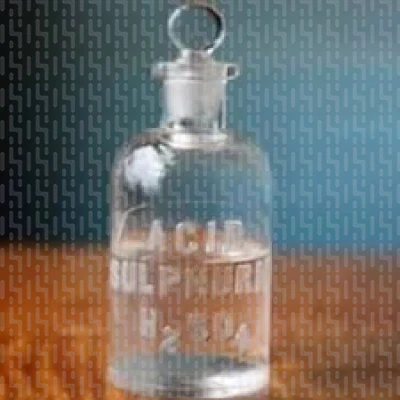
Sulfuric acid with the formula H2SO4 is a strong, corrosive, and widely used mineral acid. In concentrated form, it is a heavy, oily, and usually colorless liquid, although impurities can give it a yellow or brown tint.
When sulfuric acid is described as one of the foundations of industry, that is not an exaggeration.
The production chain for phosphate fertilizers, copper extraction, petroleum refining, metal pickling, detergent production, pH adjustment of industrial water, and the manufacture of dozens of chemicals depends on this acid.
Its consumption is not merely a laboratory indicator; in many countries, the amount of sulfuric acid produced and consumed is associated with the level of industrial activity.
Short Answer: Sulfuric acid is used in fertilizer production, mineral processing, pH adjustment, chemical manufacturing, lead-acid batteries, refining, electroplating, and industrial metal cleaning. The appropriate grade and concentration must be selected according to the process.
What Are the Chemical Formula and Molar Mass of Sulfuric Acid?
The chemical formula of sulfuric acid is H2SO4 and its molar mass is about 98.08 grams per mole. Each molecule consists of two hydrogen atoms, one sulfur atom, and four oxygen atoms.
Sulfuric acid is a diprotic acid, meaning that in acid-base reactions it can release two hydrogen ions. This property is important in calculating normality, neutralization, and injection-dose design.
However, in industrial purchasing, the phrase “sulfuric acid capacity” usually needs to be clarified. It may refer to plant production capacity, tank capacity, neutralization capacity, or the concentration of the material.
What Is Sulfuric Acid Made From?
At the molecular level, sulfuric acid is made from hydrogen, sulfur, and oxygen. Industrially, the feedstock may be sulfur, sulfur dioxide gas from metal-smelting units, or sulfur-containing gases.
In sulfur-burning plants, sulfur is first converted to SO2 . Then SO2 is oxidized to SO3 and converted to sulfuric acid in the absorption stage.
So the answer to the question “what is sulfuric acid made from?” is not always the same. The chemical structure is fixed, but the sulfur-supply route and production technology may differ between plants. These differences affect color, impurities, production stability, and final production cost.

What Is 98% Sulfuric Acid and Why Is It Common for Industrial Purchasing?
98% sulfuric acid is a solution in which most of the weight is H2SO4 with a limited amount of water. In many industrial markets, this concentration is known as concentrated sulfuric acid, but it should not be assumed that every industrial shipment is exactly 98%.
Some plants supply sulfuric acid at 93%, 94%, 96%, or 98%. For example, Sarcheshmeh Copper Complex has also referred in its official information to the production of acid with a purity of about 94%.
Therefore, purchasing sulfuric acid from Sarcheshmeh Copper Complex or any other origin should be based on the analysis of that specific shipment, not on a general market assumption.
Why Do Factories Buy 98% Sulfuric Acid?
When an acid shipment is transported, extra water also adds weight. Buying a concentrated grade can move more active material in each tanker. The consuming unit then dilutes the acid under controlled conditions and according to its own process instructions.
This does not mean that 98% acid is always better. Some production lines require acid at a lower concentration. Some equipment is also designed for a specific temperature and concentration.
Choosing the wrong concentration can lead to corrosion, temperature increase, difficult feed control, or fluctuations in product quality.
What Is the Difference Between Dilute and Concentrated Sulfuric Acid?
The difference is not only the percentage value. Concentrated acid has stronger dehydrating behavior, and mixing it with water releases a large amount of heat. Dilute acid is also corrosive, but the corrosion pattern of metals and equipment materials can change with concentration and temperature.
A purchasing manager should view concentration, delivery temperature, tank material, pump, piping, gasket, and unloading method as one interconnected system.
Selecting a suitable tank material without knowing concentration and temperature is like choosing a vehicle tire without knowing its weight and speed; it may appear suitable, but fail in real operation.
Physical and Chemical Properties of Industrial Sulfuric Acid
The physical properties of sulfuric acid affect tank design, shipment-weight calculations, pump selection, and factory receiving control. However, the values in the table below are general references. Final values must be taken from the COA, SDS, and technical specifications of the purchased grade.

Appearance, Density, and Color of 98% Sulfuric Acid
Concentrated sulfuric acid is usually a clear, heavy, oily liquid. The density of concentrated grades is close to 1.84 g/cm³, but temperature and concentration affect the exact value. Therefore, converting tanker volume to weight must be done using the actual product density and the measurement temperature.
A dark color does not always mean the product is unusable, but the cause should be investigated for sensitive industries.
Iron, organic compounds, tank contamination, or production feedstock can alter the color. In processes where final-product color matters, specifying limits for color and iron in the contract is reasonable.
| Property | Reference Value | Effect on Industrial Purchasing | Recommended Document |
|---|---|---|---|
| Formula | H2SO4 | Basis for Active-Material Calculation | COA and SDS |
| Molar Mass | About 98.08 g/mol | Reaction and Neutralization Calculations | Scientific Reference |
| Appearance | Heavy, Oily Liquid | Contamination and Consistency Control | Inspection and COA |
| Color | Colorless to Yellowish or Brownish | Important for Color-Sensitive Processes | Color Limit in the Contract |
| Density of Concentrated Grade | Close to 1.84 g/cm³ | Weight, tank-volume, and tanker calculations | COA with test temperature |
| Solubility in Water | Miscible, with heat release | Requires a controlled dilution method | SDS and site procedure |
Technical Analysis and COA of Sulfuric Acid for Bulk Purchasing
When a factory buys sulfuric acid, the percentage of H2SO4 is not the only figure that must be reviewed. The presence of iron, chloride, arsenic, lead, insoluble matter, or contamination from the transport tank can affect equipment corrosion and process results.
A general COA issued months ago does not necessarily represent the quality of today's tanker. For sensitive or tonnage orders, it is better to define a COA for the same batch, shipment number, production or loading date, and a retention sample as part of the purchasing process.
The Most Important Parameters on a Sulfuric Acid Analysis Sheet
The acid percentage shows how much active material you are receiving. Density can be used for a quick check of concentration and weight, but it does not replace chemical testing. Iron and color are important for sensitive lines. Chloride may also increase the corrosion risk for some alloys.
The acceptable limit for each parameter must come from the buyer's process. A copper mine, fertilizer plant, and laboratory do not necessarily require the same specifications. Using a general table without approval from the technical manager does not simplify purchasing; it only hides the risk.

| COA Parameter | Why Is It Checked? | Risk of Being Out of Specification | Buyer Action |
|---|---|---|---|
| H2SO4 | Determining Active Material and Process Dosage | Feed Fluctuation and Cost of Transporting Water | Specify the Limit and Test Method |
| Iron | Control of Color and Metallic Contamination | Color Change or Effect on the Product | Specify the Maximum Allowable Limit |
| Chloride | Assessment of Corrosion and Contamination | Damage to Certain Equipment and Alloys | Coordinate with the Materials Department |
| Insoluble Matter | Control of Sediment and Particles | Clogging of Filters, Nozzles, and Pumps | Sampling and Testing |
| Arsenic and Heavy Metals | Sensitive Uses and Product Requirements | Nonconformity of the Final Product | Request a Specific Test |
| Color and Appearance | Quick Contamination Check | Indication of Contamination Entering from the Tank or Line | Inspection Before Unloading |
Types of Industrial, Agricultural, Battery, and Laboratory Sulfuric Acid
The sulfuric acid market does not consist of a single product. Terms such as industrial acid, agricultural acid, battery acid, Merck, concentrated acid, and fuming acid refer to different grades or applications. These products should not be substituted for one another without reviewing the analysis.

98% Industrial Sulfuric Acid
Industrial grade is supplied for factory use and in high volumes. Depending on the origin, concentration may vary. The most important purchasing criteria are compatibility with the process, COA, supply consistency, transport type, and delivered price.
Agricultural Sulfuric Acid
The term agricultural sulfuric acid usually refers to a product supplied for conditioning irrigation water, reducing bicarbonate, or managing calcareous soils. This title alone does not indicate the product's percentage, purity, or safety. The label, analysis, and usage instructions must be reviewed.
Sulfuric Acid for Car Batteries
The electrolyte in a lead-acid battery is a diluted sulfuric acid solution, and its concentration differs from 98% industrial acid. Pouring concentrated acid directly into a battery is dangerous and can harm the battery, equipment, and person. For batteries, use prepared electrolyte that complies with the manufacturer's specifications.
Merck and Sigma Laboratory Sulfuric Acid
Merck, Sigma, and other laboratory grades of sulfuric acid are supplied for testing, synthesis, and analytical work. The price of Merck sulfuric acid or a one-liter package is not comparable to bulk industrial acid. Specialized packaging, impurity control, analytical grade, and brand affect laboratory pricing.
Fuming Sulfuric Acid or Oleum
Oleum is a solution of SO3 in sulfuric acid and differs from 98% acid. It is more reactive and hazardous and is used for specific chemical processes. Purchasing, transporting, and storing it require dedicated design.
How Is Industrial Sulfuric Acid Produced from Sulfur?
A large share of industrial sulfuric acid is produced by the contact process. In this method, sulfur or SO2 -containing gas, after preparation, passes through several reaction and absorption stages. Temperature control, gas purity, and catalyst performance affect production quality and efficiency.

Production of Sulfuric Acid from Sulfur by the Contact Process
Step One: Sulfur Combustion
Sulfur reacts with oxygen to produce sulfur dioxide:
S + O2 → SO2
Step Two: Conversion of SO2 to SO3
SO2 gas is converted to SO3 in the presence of a catalyst and under controlled conditions:
2SO2 + O2 ⇌ 2SO3
Step Three: Absorption of SO3
SO3 is not simply fed directly into water because it can form acid mist. In the industrial process, SO3 is first absorbed into acid to form oleum. Then, with controlled addition of water, acid at the target concentration is produced.
Major Sulfuric Acid Producers in Iran and Main Loading Origins
A significant share of Iran's industrial sulfuric acid is produced in large petrochemical complexes and units associated with the copper industry.
Because of their high production capacity, access to sulfur feedstock or smelting gases, and ability to supply tonnage volumes, these complexes are among the main sources of sulfuric acid for fertilizer plants, mines, metal industries, and chemical units.
The producer's name alone is not sufficient for purchasing. Product concentration, impurity levels, loading schedule, minimum order, sales method, and the distance from the origin to the buyer's factory must be reviewed together.
An acid from one complex may have an attractive base price, but transport cost to the destination can increase the delivered price.

Razi Petrochemical Sulfuric Acid
Razi Petrochemical Company is one of the well-known producers of sulfuric acid in Iran's petrochemical industry. Because this complex operates in the fertilizer and chemical production chain, it has sulfuric acid production units based on the contact process.
Purchasing sulfuric acid from Razi Petrochemical should be based on the supply status at the time of ordering, product concentration, loading conditions, and analysis of the same shipment. Industrial buyers should check tonnage-delivery availability and transport cost from Mahshahr to the destination before placing an order.
Urmia Petrochemical Sulfuric Acid
Urmia Petrochemical Company also includes sulfuric acid in its product portfolio and is one of the supply origins for this material in northwestern Iran.
The geographic location of this complex can provide a transport advantage for buyers located in West Azerbaijan, East Azerbaijan, Kurdistan, Zanjan, and northwestern export markets.
When requesting the price of Urmia Petrochemical sulfuric acid, the concentration, loading capacity, delivery type, and available inventory should be checked. Proximity of the origin to the buyer can reduce freight cost, but the final selection should be made after comparing the COA and delivered price.
Sarcheshmeh Copper Complex Sulfuric Acid
Sarcheshmeh Copper Complex is one of the most important sulfuric acid production and loading origins in Iran. At this complex, sulfur-dioxide-containing gases generated during copper smelting are collected and converted into sulfuric acid in acid plants.
Sarcheshmeh sulfuric acid is considered for use in mines, fertilizer plants, and other industrial units.
However, the buyer should not assume the product concentration based only on the complex name. Officially published information has also reported production of acid at around 94% concentration; therefore, the exact percentage of each shipment must be confirmed in the COA.
Shahr-e Babak Copper Complex and Khatunabad Sulfuric Acid
Shahr-e Babak Copper Complex and Khatunabad Smelter are other important sulfuric acid production origins in Iran's copper industry. In these facilities as well, sulfur-containing smelting gases are used to produce sulfuric acid.
To purchase Khatunabad sulfuric acid, the supply status, product concentration, loading schedule, and transport distance to the destination should be reviewed. This origin may be worth considering from a transport perspective for mines and factories located in Kerman, Yazd, Fars, and central regions of the country.
Comparison of Iran's Main Sulfuric Acid Production Origins
The four origins introduced above are among Iran's large industrial complexes, but the products they can supply may differ in concentration, sales schedule, and distance to the destination. The table below is for an initial comparison and does not replace an official inquiry and COA review.
| Producer or Origin | Type of Complex | Acid Production Source | Potential Advantage | Important Purchasing Point |
|---|---|---|---|---|
| Razi Petrochemical | Petrochemical Complex | Contact-process acid production unit | Industrial capacity and access to southern Iran | Check inventory, concentration, and transport cost |
| Urmia Petrochemical | Petrochemical Complex | Sulfuric acid production unit | Good access to northwestern Iran | Request the supply schedule and delivery type |
| Sarcheshmeh Copper Complex | Mining and Copper Smelting Complex | Recovery of sulfur-containing gases from the smelting unit | High capacity and tonnage supply | Check the actual percentage in the COA |
| Shahr-e Babak Copper Complex and Khatunabad | Mining and Copper Smelting Complex | Recovery of gases generated by smelting | Suitable for central and southeastern destinations | Check concentration and loading schedule |
Applications of Sulfuric Acid in Different Industries
Sulfuric acid is used in many industries because of its acidity, reactivity, and role in producing intermediate materials. Consumption rate and grade should be selected according to process balance, equipment materials, and final-product specifications.

Application of Sulfuric Acid in Phosphate Fertilizer Production
A large share of global sulfuric acid consumption is associated with the fertilizer industry. It is used to react with phosphate rock and produce phosphoric acid and phosphate fertilizers. Iron, heavy-metal content, and acid concentration can affect the process and product quality.
Application of Sulfuric Acid in Copper Extraction
In the leaching of oxidized copper ores, sulfuric acid is used to dissolve copper and transfer it into the solution phase. Acid consumption depends on mineral type, gangue, lime, particle size, and heap design.
The cheapest acid on the invoice is not always the lowest-cost option. If the acid has a lower concentration or the transport distance is long, the cost per kilogram of active H2SO4 increases. A mine should calculate price based on delivered active material.
Application of Sulfuric Acid in Electroplating and Metal Pickling
In some electroplating and surface-preparation lines, acid is used to remove oxides, adjust the bath, or prepare the metal. Iron, chloride, and dissolved contaminants become more important in this application. The electroplating unit should align the grade and dosage with its own process instructions.
Application of Sulfuric Acid in Petroleum Refining
In refineries and downstream industries, sulfuric acid is used in processes such as alkylation, treatment, and production of intermediates. Spent acid from these units may be sent for recovery. Recovered acid should be kept separate from fresh acid and supplied with a complete analysis.
Application of Sulfuric Acid in Water Treatment
Sulfuric acid is used to lower pH and control alkalinity in some industrial-water-treatment systems. The injection dose depends on water analysis, bicarbonate, target pH, and system capacity. Overdosing can cause corrosion and severe pH fluctuations.
Application of Sulfuric Acid in Detergents
Sulfuric acid and oleum are used in some sulfonation processes to produce surfactants. This application requires precise control of reaction, temperature, and feed.
Using industrial sulfuric acid as a household drain cleaner is different from this industrial use and can create risks of burns, gas generation, and pipe damage.
Sulfuric Acid in Agriculture and Pistachio Orchards
In agriculture, sulfuric acid is used mainly to manage alkaline irrigation water, reduce bicarbonate, and help amend calcareous soils. It is not a general fertilizer that should be used in every orchard without testing. The application rate must be calculated from water and soil analyses.

What Is Sulfuric Acid Used for in Pistachio Orchards?
In pistachio orchards in calcareous regions, high pH and bicarbonate in irrigation water can make uptake of certain nutrients more difficult. Calculated acid injection may reduce bicarbonate in the water and decrease precipitation in the irrigation system. This should be done with injection equipment and pH control.
The question “what is the best time to use sulfuric acid for pistachio?” does not have one fixed calendar answer. Timing depends on water quality, irrigation schedule, soil condition, growth stage, and purpose of use. Water and soil testing are the starting point, not informal market advice.
Sulfuric Acid for Tomatoes, Potatoes, Grapes, and Alfalfa
The crop alone does not determine the acid dose. Two tomato fields can have completely different needs because of differences in water and soil. The purpose is usually water conditioning or alkalinity management, not direct contact of the acid with the plant or roots.
Reactions of Sulfuric Acid with Water and Different Metals
Sulfuric acid reacts with water, metals, organic materials, and bases. The rate and outcome of the reaction depend on concentration, temperature, metal surface, and environmental conditions. This dependence is why simple internet answers should not replace process evaluation.

Reaction of Sulfuric Acid with Water
Mixing concentrated sulfuric acid and water releases a large amount of heat. If water is poured onto a large volume of acid, the small water layer can boil rapidly and spray acid droplets outward.
Reaction of Sulfuric Acid with Iron
Iron's behavior in sulfuric acid depends on concentration and temperature. Dilute acid can react with iron and release hydrogen. Under some conditions, carbon steel is used for cold concentrated acid, but an increase in temperature or the entry of water can change the corrosion pattern.
Reaction of Sulfuric Acid with Copper
Copper behaves differently in dilute sulfuric acid than in hot concentrated acid. Hot concentrated acid can oxidize copper and generate hazardous gases. Carrying out this reaction outside a controlled laboratory or industrial system is dangerous.
Reaction of Sulfuric Acid with Aluminum and Lead
Aluminum and lead may form a protective surface layer under some conditions, but this does not mean absolute resistance. Temperature, concentration, mechanical stress, and impurities must be evaluated. Selecting a tank or pipe alloy based only on a general table is not defensible.
Sulfuric Acid Safety and MSDS Guidance
Sulfuric acid is a corrosive liquid, and contact with the skin, eyes, or respiratory system can cause severe injury. The risk does not exist only during production. Sampling, opening a tanker valve, connecting a hose, dilution, and equipment washing are also high-risk points.

What Does Sulfuric Acid Do to the Body?
Skin contact can cause chemical burns. Eye contact can cause serious injury and loss of vision. Inhalation of acid mist also irritates the nose, throat, and lungs and, in severe exposure, can cause respiratory effects.
What Should We Do If Sulfuric Acid Gets into the Eyes?
The person should be taken immediately to an emergency eyewash station and the eyes should be rinsed with plenty of water. Contact lenses should be removed if possible without delaying rinsing. Immediate medical evaluation is then required. Do not put a neutralizing chemical in the eyes.
What Should We Do If Sulfuric Acid Spills on the Skin?
Contaminated clothing should be removed while the skin is continuously rinsed with water. Wash the skin with plenty of water and transfer the person for medical evaluation. Attempting to neutralize acid directly on the skin may generate heat and worsen the injury.
| Hazard | Immediate Action | Prohibited Action | Required Equipment |
|---|---|---|---|
| Eye Contact | Immediate rinsing with water and medical attention | Adding a neutralizer to the eye | Emergency eyewash station |
| Skin Contact | Plenty of water and removal of contaminated clothing | Rubbing or neutralizing on the skin | Emergency shower |
| Mist Inhalation | Move to fresh air and obtain medical evaluation | Entering the contaminated area without protection | Appropriate ventilation and respiratory protection |
| Leak or Spill | Isolate the area and implement the emergency response plan | Uncontrolled flushing into the sewer | PPE and spill-control kit |
Sulfuric Acid Packaging for Wholesale Sales
Packaging selection depends on consumption volume, concentration, unloading facilities, and transport distance. A factory that consumes several tankers each month should not follow the same purchasing model as an orchard or laboratory.

Bulk and Tanker Sulfuric Acid
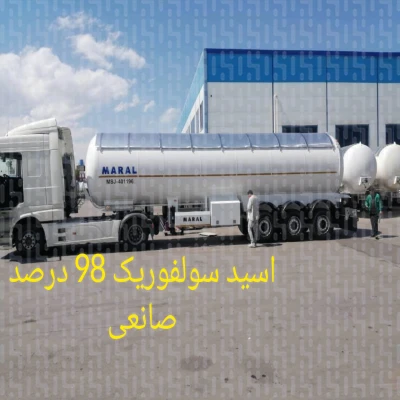
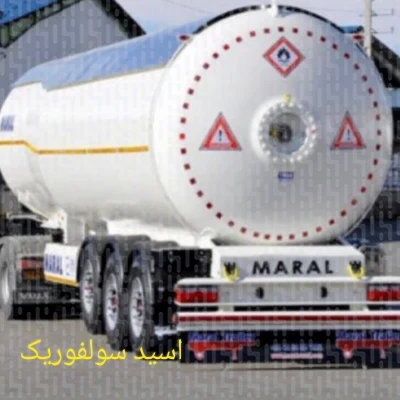
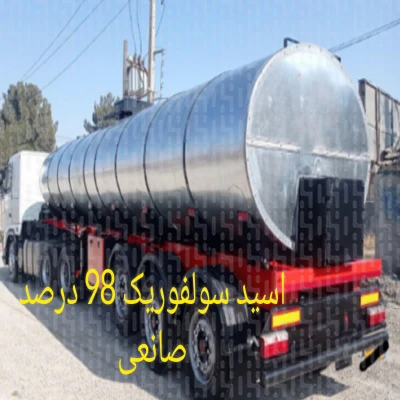
Tanker sales are suitable for industrial and tonnage orders. Before ordering, the buyer should check tank capacity, tanker access route, hose-connection point, unloading system, containment basin, and the availability of a trained operator.
Sulfuric Acid in IBCs
IBCs are used for some medium volumes, but not every IBC is suitable for every acid concentration. Compatibility of the body, valve, pallet, and packaging approval must be checked. Reusing a container without inspection can create leakage and contamination risks.
Sulfuric Acid Drums
Drums are used for limited orders, small units, or situations where tanker unloading is not possible. The price per kilogram of acid in drums is usually higher than bulk because the cost of the container, filling, handling, and packaging management is added to the price.
| Packaging Type | Suitable For | Advantage | Limitation |
|---|---|---|---|
| Tanker | Tonnage and continuous consumption | Lower packaging cost | Requires a tank and safe unloading |
| IBC | Medium volume | Easier handling | Requires container-compatibility approval |
| Drum | Limited consumption | Separated consumption and storage | Higher price per kilogram |
| Laboratory Container | Testing and synthesis | Control of grade and impurities | Not suitable for tonnage consumption |
How to Store Sulfuric Acid in an Industrial Tank
A sulfuric acid tank must be designed according to concentration, temperature, capacity, residence time, and operating conditions. Recommending one fixed material for all concentrations is not correct. A material that performs well in cold concentrated acid may corrode faster in dilute acid or at higher temperature.

Sulfuric Acid Tank Design Considerations
The tank should be installed on a suitable foundation and the containment basin should have sufficient capacity. Venting, level measurement, overflow prevention, grounding, sampling point, and drainage route should all be included in the design.
Entry of rainwater or wash water into a concentrated-acid tank can change temperature and corrosion behavior. Managing water around the tank is as important as the tank material itself. These are the details that are missed in rushed purchasing but later increase repair costs and production downtime.
Sulfuric Acid Pumps, Hoses, and Gaskets
Selecting a pump based only on the phrase “acid-resistant pump” is not sufficient. Acid type, temperature, flow rate, head, particles, and sealing method must be specified. Hoses and gaskets must also have documented compatibility with the actual concentration and temperature.
Transport and Export of Sulfuric Acid
Sulfuric acid is classified as a corrosive material. For acid with a concentration above 51%, the commonly used international transport identification number is UN 1830. The exact classification, packing group, and documents must be confirmed based on concentration, transport method, and route regulations.
Sulfuric Acid Export Documents
An export shipment usually requires a commercial invoice, packing list, COA, English SDS, certificate of origin, transport documents, and packaging information. The destination country may require a specific permit or label.
The export price should be stated with a specified Incoterm. EXW is not the same as FCA, FOB, or border-delivered pricing. Tanker cost, transport permits, border delays, tank cleaning, insurance, and vehicle return can account for a significant share of the final price.
Tanker Inspection Before Loading
The tanker should be checked for compatibility, cleanliness, residue from the previous cargo, leaks, valves, and documents. Residual contamination in the tanker can invalidate the plant's COA after loading.
Comparison of Iranian and Foreign Sulfuric Acid Brands
Sulfuric acid brand selection should be made after the grade and technical specifications are defined. A foreign laboratory product with controlled purity is made for instrumental testing, while Iranian industrial acid is supplied for tonnage use in mining, fertilizer, and chemical factories. Comparing these two only by brand name or nominal percentage is not correct.
In the Iranian market, the names Sarcheshmeh Copper Complex, Khatunabad, and some sulfur-burning plants are more commonly seen in bulk purchasing.
In the foreign market, brands such as Merck, Sigma-Aldrich, and Thermo Fisher Scientific are better known for laboratory and analytical grades.
Large chemical companies such as BASF also participate in the global chemical and industrial-acid supply chain, but availability of a specific grade in the Iranian market should be checked at the time of inquiry.

Merck Sulfuric Acid
Merck sulfuric acid is usually purchased for laboratory applications, chemical analysis, and small-scale synthesis. The buyer should check the product code, percentage, grade, impurity limits, container volume, and certificate of analysis. Because of its small packaging and analytical specifications, the price of Merck sulfuric acid is not comparable to the price of bulk industrial sulfuric acid.
Sigma-Aldrich Sulfuric Acid
Sigma-Aldrich products are also supplied according to grade and laboratory application. Some grades are suitable for analysis, sample preparation, or synthesis. The brand name alone is not sufficient; the catalog number and specifications of the exact product must match the test method.
Thermo Fisher and Fisher Chemical Sulfuric Acid
Thermo Fisher and its laboratory brands supply products in different grades. These products are suitable for laboratories that require impurity control, technical documentation, and product traceability. Import costs and market inventory can affect the price of these brands.
BASF Sulfuric Acid and Foreign Industrial Producers
In foreign industrial purchasing, the producer's name is only one criterion. Production location, concentration, transport method, impurity limits, minimum order, and the ability to deliver in the destination country are more important. Before BASF or any foreign producer is named in a sales offer, actual availability, origin, and specifications of the grade that can be supplied should be confirmed.
| Brand or Origin | Common End-Use Market | Purchase Type | Evaluation Criterion |
|---|---|---|---|
| Sigma-Aldrich | Synthesis and chemical testing | Laboratory | Catalog number and COA |
| Thermo Fisher | Laboratory and quality control | Small packaging | Grade and traceability |
| BASF and Foreign Industrial Producers | Industrial applications and chemical supply chain | Contract and tonnage purchasing | Availability, origin, concentration, and delivery terms |
Industrial Guide to Buying 98% Sulfuric Acid
Before requesting a quote, turn your requirement into a clear RFQ. A seller can provide a comparable offer only when they know what product is required, with what analysis, in what volume, and to which destination it must be delivered.
Sulfuric Acid Purchase RFQ Checklist
Where Can We Buy Sulfuric Acid?
Purchasing can be done from a producer, the commodity exchange, an industrial supplier, or a laboratory-grade seller. The appropriate route depends on volume and intended use. A one-liter Merck order should not be handled through the same purchasing route as a mine's tanker order.
When buying through an intermediary, ask for the actual origin and batch number. When buying directly from a plant, also check transport cost, loading restrictions, and minimum order. Sometimes a closer supplier, despite a higher base price, results in a lower delivered cost.

Price of 98% Industrial Sulfuric Acid
The price of sulfuric acid is not fixed. Production origin, concentration, order quantity, tanker cost, distance, supply conditions, and market conditions all affect price. A factory-gate price may become more expensive than an offer from a closer supplier after freight and tanker waiting charges are added.
Factors Affecting the Current Price of Sulfuric Acid
Concentration is one of the main factors. To compare two offers, convert the price per ton into the price of active material. If one shipment is 94% and the other is 98%, a direct comparison of price per ton does not give a complete picture.
Packaging also has a major effect. The price of 20-liter agricultural sulfuric acid or a one-liter Merck bottle includes the cost of the container, filling, labeling, and distribution. Bulk pricing depends more on origin, tonnage, and transport.
Sarcheshmeh Sulfuric Acid Price and Commodity Exchange Price
The Sarcheshmeh sales price and commodity-exchange offering price must be checked from an official source on the same date. Using an old figure can distort the purchasing decision. In addition to the base price, include tax, fees, transport, weighbridge costs, and delivery terms in the calculation.
For an Accurate Price Inquiry: State the acid percentage, order quantity, destination, packaging type, delivery time, and any special analysis requirements. Without this information, the quoted price is only an initial figure.
Why Buy Sulfuric Acid Through SHIMICO?
SHIMICO is a platform connecting industrial buyers, producers, suppliers, and chemical sellers. Buyers can register their requirements with clear technical specifications and receive comparable offers.

Request a Quote and Buy Sulfuric Acid in Bulk
To buy industrial sulfuric acid, specify the percentage, tonnage, type of use, destination, and delivery time. Suppliers can provide technical and commercial offers based on this information.
✅ Request Prices for Bulk and Tanker Sulfuric Acid
✅ Review Supply Options for Mining, Fertilizer, Electroplating, and Chemical Industries
✅ Ability to Request COA and SDS
✅ Compare Origin, Packaging, and Delivery Terms
✅ Post Free Chemical Sales Listings
The final price is announced after reviewing the technical specifications, inventory, destination, and transport conditions.
Experiences of Sulfuric Acid Buyers on SHIMICO
“We needed sulfuric acid with a specified analysis and regular delivery for our production line. We registered the request on SHIMICO with the percentage, tonnage, and destination and were able to compare offers from several suppliers. Before loading, the shipment COA was also sent to the quality-control department.”
Purchasing Manager, Fertilizer Plant,
“For us, price per ton was not the only important factor. We also reviewed the actual acid percentage, loading point, and transport cost to the mine. Through SHIMICO, we were able to compare offers based on the delivered cost of active material and proceed with a tanker-delivery schedule.”
Mine Procurement Officer,
“Because of the sensitivity of the electroplating line, iron and chloride were important to us. The seller provided the analysis sheet before dispatch, and the packaging was selected according to our consumption volume. Registering the request on SHIMICO helped us state the technical specifications clearly from the beginning.”
Production Manager, Electroplating Unit,
“For the export shipment, in addition to price, we needed an English SDS, COA, transport conditions, and border documents. The complete request was registered on SHIMICO, and the supplier provided its offer based on the destination and delivery terms.”
Commercial Specialist, Export Company,
Frequently Asked Questions About Buying, Pricing, and Selling Sulfuric Acid
What Is Sulfuric Acid?
Sulfuric acid, with the formula H2SO4 is a strong and corrosive mineral acid used in fertilizer production, metal processing, refining, water treatment, and chemical industries.
What Is 98% Sulfuric Acid?
It is a concentrated solution in which about 98% of the weight is H2SO4 . The actual percentage of each shipment must be checked in the COA.
How Much Does Industrial Sulfuric Acid Cost?
The price depends on concentration, origin, tonnage, packaging, destination, freight, payment terms, and supply timing. Order specifications must be provided to receive a price.
Where Can We Buy Sulfuric Acid?
Depending on the volume, sulfuric acid can be purchased from a producer, industrial supplier, commodity exchange, or laboratory-chemical seller. SHIMICO provides a way to connect with sellers and register a request.
Is Sarcheshmeh Copper Complex Sulfuric Acid 98%?
Officially published information also reports production of a grade at around 94%. The concentration of the available product must be confirmed at the time of purchase with the COA for the same shipment.
How Can Sulfuric Acid Be Purchased Through the Commodity Exchange?
The buyer must review the offering notice and act through a broker with the required access. Sulfuric acid may not be offered continuously.
What Percentage Is Sulfuric Acid in a Car Battery?
Battery electrolyte is a diluted acid solution and its concentration differs from 98% industrial grade. Do not use concentrated acid directly in a battery.
Does Solid Sulfuric Acid Exist?
Pure acid can freeze at low temperatures, but the common commercial product is supplied as a liquid. The phrase “solid sulfuric acid for sale” is generally not an accurate term for the industrial market.
Why Should Acid Be Added to Water?
Mixing acid and water produces a large amount of heat. Gradually adding acid to a larger volume of water makes heat and splashing easier to control.
What Should We Do If Sulfuric Acid Gets into the Eyes?
Immediately rinse the eyes with plenty of water and obtain medical help without delay. Do not use a chemical neutralizer in the eyes.
What Is the Best Tank for Sulfuric Acid?
The answer depends on concentration, temperature, capacity, and operating conditions. Tank-material selection should be made by a corrosion specialist and process designer.
What Is the Difference Between Industrial and Agricultural Sulfuric Acid?
These terms mainly refer to end-use markets. Percentage, impurities, packaging, and usage instructions should be determined from the product analysis and label.
What Does a Sulfuric Acid COA Include?
H2SO4percentage, density, iron, chloride, color, insoluble matter, and, where required, heavy metals are among the parameters that can be reviewed.
What Is the Minimum Order for Bulk Sulfuric Acid?
The minimum order depends on the seller, packaging type, and transport route. Tanker sales are generally used for higher tonnage, while drums or IBCs are used for more limited quantities.
Scientific and Technical Sources for Sulfuric Acid
Sulfuric Acid Compound Summary, PubChem, National Institutes of Health
NIOSH Pocket Guide: Sulfuric Acid, Centers for Disease Control and Prevention
Sulfuric Acid Supply Chain Profile, U.S. Environmental Protection Agency, 2023
ADR Dangerous Goods Regulations, United Nations Economic Commission for Europe
Domestic Sulfuric Acid Purchasing Process, National Iranian Copper Industries Company