





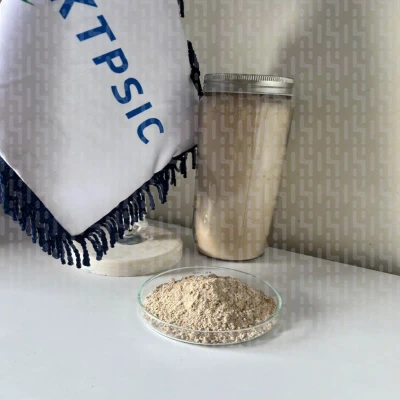
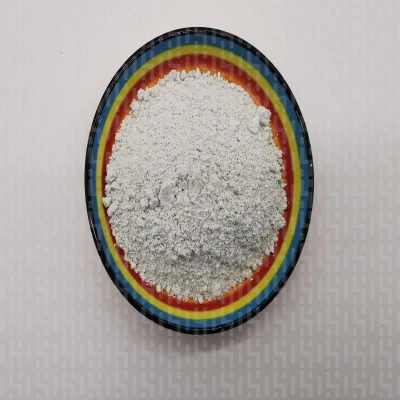
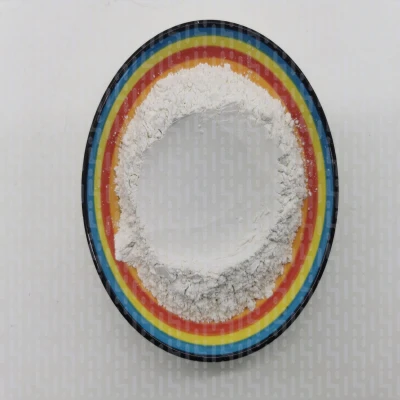
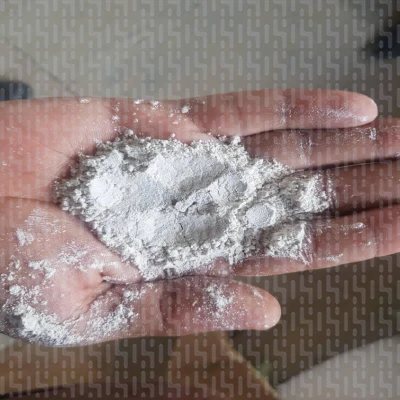

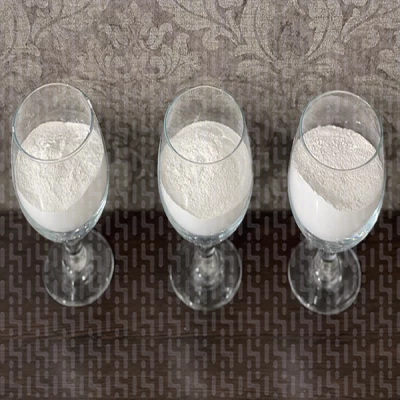
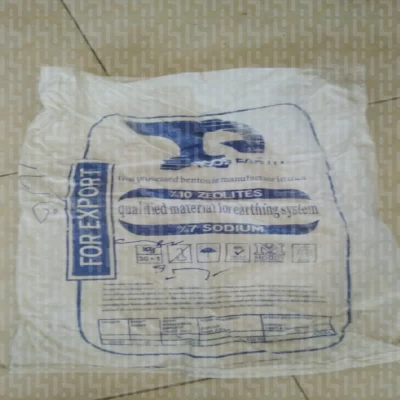
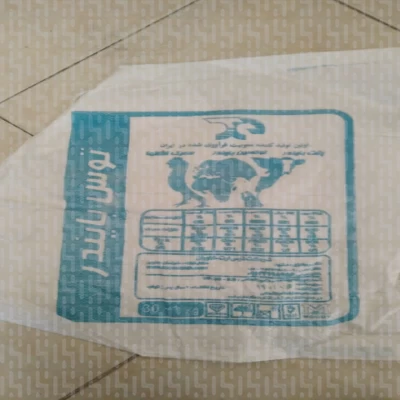
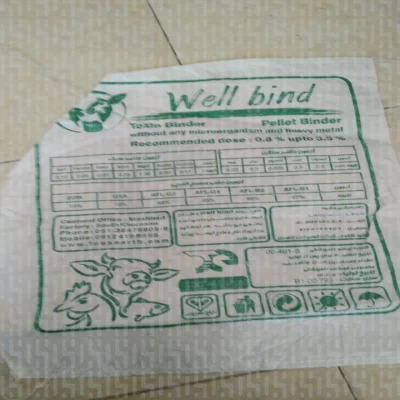


Buy Industrial Bentonite and Request a Wholesale Price Quote
If you are looking to buy bentonite, you probably know that this mineral is one of the most widely used industrial clays in the world.
From drilling oil wells to grounding pits in your buildings, from animal feed to metal foundry industries, bentonite is an apparently simple material but technically complex.
The quality of one bentonite shipment can differ significantly from another, and this difference is what affects your performance in a project or production line.
We have written this page so that in a few minutes you can both understand bentonite technically and know exactly what to pay attention to when buying wholesale or for export.
Whether you own a foundry, are a drilling contractor, an animal-feed importer, or a mineral exporter, we have made this page readable with the technical needs of that industry in mind. If you are in a hurry, use the list below to go directly to the section you need.
State the application, order quantity, required technical specifications, packaging type, delivery city, and payment terms. For high-tonnage orders, requesting a sample and COA before signing the contract is recommended.
What Is Bentonite?
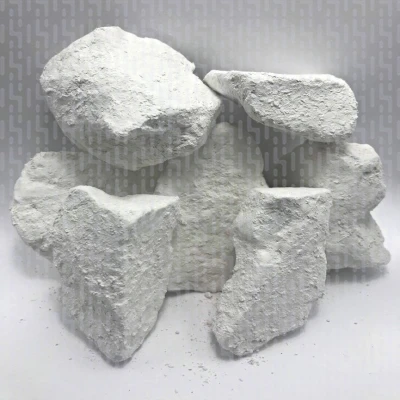
Bentonite is a mineral clay with a high percentage of the mineral montmorillonite. This material can absorb water, swell, adhere, and form a slurry. The intensity of these properties is not the same in all mines and grades; therefore, the name bentonite alone is not sufficient for product selection.
Sodium bentonite usually has greater swelling and sealing power and is used in drilling, pelletizing, and geotechnical projects. Calcium bentonite has less swelling and is used more in absorbents, agriculture, animal bedding, and some treatment processes.
Some calcium products are also activated with sodium carbonate to change their performance for industrial applications.

Why Does Bentonite Absorb So Much Water?
What distinguishes bentonite from ordinary clays is its layered structure. Weak bonds exist between the montmorillonite layers, which allows water molecules to penetrate easily between these layers.
The result? Bentonite can absorb water and swell to several times its original volume without losing its own structure. This single property is the basis of most industrial applications of bentonite, from sealing grounding pits to drilling mud.
Not every bentonite is ‘good bentonite.’ The quality of a bentonite shipment cannot be determined by appearance alone; the percentage of montmorillonite, cation-exchange capacity, and swelling level must be considered in laboratory testing. For bulk purchases, always request the technical analysis (COA) from the seller.
Physical and Chemical Properties of Bentonite
When evaluating industrial bentonite, the buyer should review moisture, particle size, color, bulk density, swelling index, pH, cation-exchange capacity, and montmorillonite content. The importance of each indicator depends on the application.
For example, high swelling is an advantage in grounding pits and drilling, while in some animal-feed or absorbent formulations, purity and adsorption capacity are more important.

Chemical Composition and the Role of Sodium and Calcium Ions
Chemically, bentonite is a hydrated aluminum silicate that also contains iron, magnesium, sodium, or calcium ions in its structure.
The dominant ion type, sodium or calcium, determines the physical behavior of bentonite.
When sodium bentonite is placed in water, the distance between its layers opens much more and it can absorb between seven and twenty times its original volume in water and turn into a gel-like mass.
Calcium bentonite behaves in the same way but much more mildly; its particles remain relatively close to each other even after hydration, which is why it shows less swelling.
Texture, Color, and Thixotropic Property
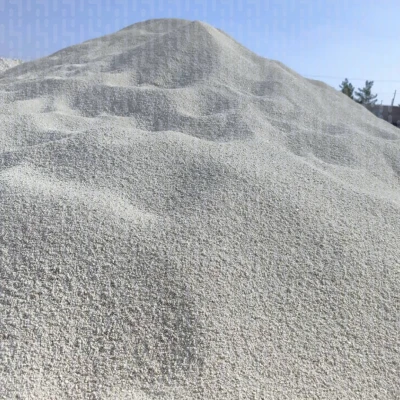
To the touch, dry bentonite is usually powdery or granular and, because of weak van der Waals bonds between its layers, feels greasy and slippery.
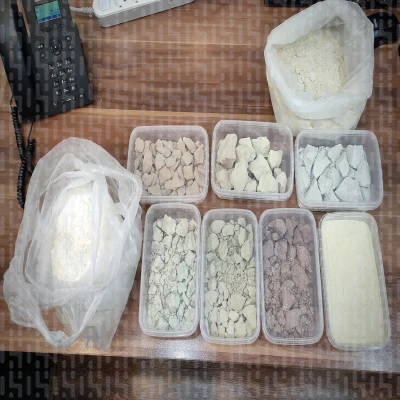
Its color varies from white and cream to gray, pale green, and even pink depending on the mine and impurities.
Another important property of bentonite is its thixotropic behavior; that is, when it is subjected to pressure or stirring, it becomes thinner and more fluid, and when it remains at rest, it returns to its gel-like and thick state.
This behavior is what makes it very valuable for oil- and gas-well drilling mud, because it must be fluid during pumping and, when stationary, keep drilling solids suspended.
Cation Exchange Capacity (CEC)
The cation exchange capacity (CEC) of bentonite is also an important parameter measured in the laboratory and shows how much ability the material has to adsorb and exchange ions; the higher this value, the more suitable bentonite generally is for applications such as oil purification, sealing, and impurity adsorption.
Terms such as sodium bentonite, activated bentonite, or premium bentonite are not technical specifications. Quality must be confirmed through the COA, a laboratory sample, and performance testing in the actual application process.
Industrial Bentonite Technical Specifications Table
Bentonite technical specifications must be set according to the consuming industry. One fixed table cannot be used for drilling, foundry, animal-feed, pelletizing, and grounding-pit bentonite.
Each buyer should include in the contract the indicators that directly affect the performance of their production line or project.
In a bulk purchase, the acceptable limits for moisture, particle size, swelling, pH, and montmorillonite percentage must be specified before loading.
If the product is ordered for drilling, properties such as viscosity and filtration loss should also be reviewed.
For foundry use, bonding strength and mold strength are more important.
In animal-feed grade, purity, heavy metals, microbial contamination, and authorization for use must also be controlled.

The figures in the table below are common market ranges and are not firm sales specifications. The buyer should determine the acceptable limits based on the application, the factory’s internal standard, and the sample-test result.
Technical Analysis of Bentonite and COA Review Before Purchase
A COA, or certificate of analysis, shows the test results for a shipment or production batch. This document should record the product name, batch number, production or test date, measured specifications, test method, and acceptable limits. The existence of a general file titled bentonite analysis is not sufficient to approve all shipments.
An industrial buyer should distinguish between three documents. The product specification sheet states the manufacturer’s target range.
The COA shows the test result for that same batch. The SDS explains hazards, handling methods, personal protective equipment, and emergency measures. These three documents do not replace one another.

What Should Be Included in a Bentonite COA?
For most industrial grades, the COA should include at least moisture, particle size, pH, and application-related specifications. If the product is sold as high-swelling sodium bentonite, the swelling index should be stated.
If the product is for drilling, viscosity, slurry yield, and filtration loss are important. For foundry use, methylene blue value, wet strength, and bonding properties receive more attention.
For animal-feed bentonite, swelling or color alone is not reviewed.
The buyer should request documents related to feed use, contaminant limits, and safety-test results. Authorization to use an industrial product in drilling or agriculture is not authorization to use the same product in livestock and poultry rations.
Buying without reviewing the COA for the specific shipment is one of the most common causes of disputes between industrial buyers and sellers. The specifications stated on a website can differ greatly from the product’s actual performance in the production line or drilling operation, especially if shipments are sourced from different mines or batches.
How to Evaluate a Bentonite Sample Before a High-Tonnage Order
The initial sample should be evaluated visually and in the laboratory, but final approval is better carried out under actual use conditions. Water, temperature, additives, mixing time, and factory equipment can change product performance.
For a proper evaluation, the sample specifications are recorded first.
The buyer’s laboratory then measures the contractual parameters. In the next stage, the sample is used on a trial scale or in a limited batch.
If the performance is acceptable, the main order will be registered with the same specifications and reference sample.
When buying drilling bentonite, the test should be carried out with the project water. A bentonite that has suitable viscosity in laboratory water may behave differently in saline or hard water.
API Specification 13A provides a recognized framework for classifying drilling-fluid materials, including bentonite and OCMA-grade bentonite.
When buying foundry bentonite, the methylene blue value alone is not sufficient. The user should evaluate the product’s effect on green-sand strength, dry strength, mold collapse, and casting surface quality.
When buying pelletizing bentonite, binder dosage, green- and dry-pellet strength, iron loss, and pellet behavior in subsequent stages should be measured. A low price per ton is beneficial only if bentonite consumption per ton of pellet does not increase.
Types of Industrial Bentonite by Composition and Application
Bentonite classification is not limited to sodium and calcium types. Products on the market may be natural, activated, micronized, granular, or formulated for a specific industry. The product name should match the test results and final application.

Natural Sodium Bentonite (Sodium Bentonite)
Natural sodium bentonite can swell and form slurry without the need for intensive activation. This grade is used in drilling, sealing projects, slurry walls, geosynthetic clay liners, and pelletizing. Product quality should be evaluated based on swelling, viscosity, filtration loss, and mineral impurities.
Calcium Bentonite (Calcium Bentonite)
Calcium bentonite has lower swelling and is used in absorbents, animal bedding, agriculture, carriers, and some treatment processes. This grade can also serve as a raw material for activated bentonite production.
Activated Bentonite (Activated Bentonite)
In the production of activated bentonite, the material’s properties are changed by adding compounds such as sodium carbonate or through acid treatment. Sodium activation is performed to increase swelling and slurry behavior.
Acid activation is used more to increase surface area and adsorption power in applications such as oil bleaching. The term activated bentonite does not specify how the product was activated. The seller should state the type of activation, amount of additive, pH, and recommended application.
Feed Grade Bentonite (Feed Grade Bentonite)
Food-grade or animal-feed bentonite must be produced and controlled for use in feed. This product can be used as a binder, anti-caking agent, or in some cases to control certain feed contaminants.
The usage rate should be selected based on the product authorization, ration formula, and the opinion of an animal-nutrition specialist.
European Union regulations have assessed bentonite within the group of technological feed additives, but this does not mean that every mineral bentonite is permitted for feed use.
The product composition, use limit, impurities, and conditions stated in the authorization must be observed.
Can Industrial Bentonite Be Used in Animal Feed?
No, unless the product has been produced for feed use and documents relating to purity, safety, and authorization are provided. The use of drilling, foundry, or grounding-pit bentonite in animal feed is not acceptable, even if its color and particle size resemble feed grade.
Bentonite for Grounding Pits
Bentonite for grounding pits is used to retain moisture around the electrode and reduce soil-contact resistance. Its swelling, water retention, volumetric stability, soluble compounds, and soil conditions should be evaluated when selecting it. Corrosive salts or unknown materials should not be added to the product merely to reduce resistance temporarily.
Industrial Bentonite Production and Processing Method
Bentonite production begins with mining, but final quality does not depend only on the mine. Layer separation, drying, crushing, activation, milling, and batch control can change the final product.

Mining and Separation of Raw Bentonite
After removing the surface layer, the mineral is extracted. Mine layers may differ in color, montmorillonite percentage, moisture, and impurities. Uncontrolled mixing of these layers causes fluctuations in product quality.
The producer should separate or blend extracted materials based on test results. A uniform product usually comes from proper management of plant feed, not from the mine name alone.
Drying, Milling, and Particle Sizing
After extraction, raw bentonite is dried and crushed. The drying level should be controlled so that product moisture reaches the target range. Milling and screening then adjust particle size according to the order.
For powdered bentonite, dust control and mesh uniformity are important.
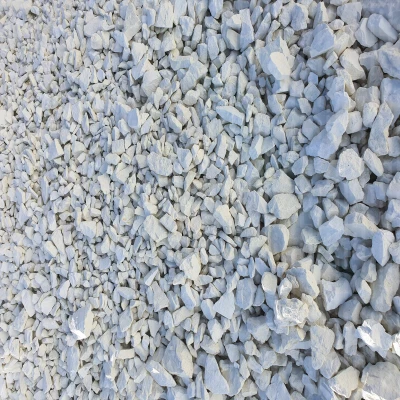
In granular bentonite, such as some absorbents or cat litter, particle size, resistance to breakage, and fines content are evaluated.
Activation and Final Product Control
If calcium bentonite is prepared for an application requiring greater swelling, the producer can add sodium carbonate in a controlled amount. Residence time, moisture, and mixing affect the activation result.
Adding more activating agent does not necessarily produce a better product and may increase pH or soluble salts.
At the end of the line, a sample from each batch should be tested. After moisture, particle size, and application-related indicators are approved, the product is packaged in bags, jumbo bags, or supplied in bulk.
Access to a mine is an advantage, but it is not sufficient for an industrial order. The buyer should also evaluate processing capability, laboratory facilities, consistency of production batches, delivery capacity, packaging type, and the producer’s responsiveness when a nonconformity occurs.
Major Bentonite Producers in Iran
Bentonite production in Iran is mainly carried out by mining companies and mineral-processing plants. Petrochemical companies are not bentonite producers because this product is obtained through mineral-clay extraction, drying, activation, milling, and particle sizing.
Some oil, gas, and petrochemical industries may consume bentonite or bentonite-based absorbents, but they are not part of its production chain.
One of the large industrial groups in this field is Bandar Imam Powder Production Industries Company . This company operates in the extraction and processing of bentonite, barite, and other mineral powders and has a bentonite mine and a micronized-powder production plant.
The bentonite products of such complexes are mainly supplied for pelletizing, drilling, foundry, industrial absorbents, and high-tonnage orders.

The size of the plant alone is not enough. The buyer should evaluate continuous supply capacity, mine type, milling equipment, activation capability, laboratory facilities, a COA for each shipment, quality consistency, and the supplier’s track record in supplying the required grade.
Industrial Applications of Bentonite
Bentonite applications arise from its ability to absorb water, swell, adhere, exchange ions, and form slurry. Each industry focuses on a different part of these properties. Therefore, industrial bentonite should be formulated and tested for that specific application.

Bentonite for Oil, Gas, and Water-Well Drilling
After mixing with water, drilling bentonite forms a slurry with controlled viscosity. This slurry helps carry drilled solids, stabilize the wellbore wall, and reduce water loss into the formation.
In this grade, the dosage required to reach target viscosity, filtration loss, moisture, and sieve residue are reviewed.
Saline water, cement, gypsum, or hard ions can change bentonite behavior. Therefore, product selection should be based on the project water and actual operating conditions. The word API on the bag should also be supported by test results in accordance with the standard.
Bentonite in Iron-Ore Pelletizing
In a pelletizing plant, bentonite is added to iron-ore concentrate as a binder. It helps form green pellets and maintain their strength during handling and drying. Bentonite dosage is important because its mineral fraction enters the pellet.
A product with a lower price per ton that must be used at a higher dosage to achieve the required strength may create a higher final cost. The plant should evaluate green-pellet strength, drop resistance, dry strength, and binder dosage at the same time.
Foundry Bentonite and Green-Sand Molding
In foundry applications, bentonite creates bonding between sand grains and helps the mold retain its shape. Metal type, casting size, sand system, and moisture percentage affect grade selection.
In this application, methylene blue value, green compressive strength, tensile strength, thermal stability, and volatile-matter content are evaluated.
Changing bentonite without a line trial can increase mold breakage, metal penetration, or deterioration in casting surface quality.
Bentonite for Grounding Pits and Civil Projects
In a grounding pit, bentonite is placed around the electrode to retain moisture and increase contact between the electrode and soil. The product should have suitable stability and should not develop large cracks after repeated drying and wetting cycles.
Bentonite is also used in slurry walls, cast-in-place piles, tunneling, pond and dam sealing, and geosynthetic clay liners. In these projects, permeability, swelling, slurry quality, and compatibility with site water are important.
Comparison of Grounding-Pit Bentonite with Ground-Resistance-Reducing Materials
Bentonite works mainly by retaining moisture and increasing contact area. Resistance-reducing materials may have cementitious, carbon-based, or conductive compositions.
Selection between them should be based on soil resistivity, regional moisture, corrosion, expected service life, and grounding-system design.
Bentonite in Animal and Poultry Feed
Feed-grade bentonite can be used to improve flowability, bind pellet particles, or adsorb certain compounds in feed.
The use level should be determined according to the product authorization and ration formulation.
When buying bentonite for chickens, poultry, or livestock, analysis of heavy metals, dioxins, microbial contamination, and unwanted compounds is important.
The terms ‘food-grade bentonite’ and ‘animal-feed bentonite’ are not sufficient without feed-use documentation.
Agricultural Bentonite
Bentonite is used in some light soils to increase water retention and as a carrier for fertilizers or agricultural compounds. Its effect depends on soil texture, salinity, pH, water quality, and application rate. Adding bentonite without a soil test is not a fixed prescription for all orchards and fields.
In heavy or poorly drained soil, improper use can reduce water infiltration. Agricultural product should also be evaluated for salinity and unwanted elements.
Bentonite for Cat Litter, Poultry Bedding, and Industrial Absorbents
In cat-litter production, liquid absorption, clump formation, odor control, particle size, and dust level are important. Sodium bentonite is usually selected for clumping cat litter, but the product should have controlled dust and suitable clump strength.
In poultry bedding, moisture absorption, dust, and animal-contact safety are evaluated. For industrial absorbents, the type of liquid, absorption rate, and method of collecting and disposing of the used material are also important.
Bentonite Particle Size and Its Effect on Application
Bentonite particle size or mesh size is one of the parameters that buyers sometimes consider less important, even though it directly affects hydration rate and product efficiency in the final application.
The finer the particles are, meaning the higher the mesh number, the greater the contact surface with water and the higher the water-absorption and swelling rates; this can be an advantage in some applications and even a drawback in others.

| Particle Size | Common Application |
|---|---|
| Coarse Granular | Grounding-Pit Backfill, Some Geotechnical Applications |
| Standard Powder (Up to 100 Mesh) | Foundry, Animal Feed, Agricultural Uses |
| Fine Powder (200 Mesh and Above) | Drilling Mud, Grounding Pits Requiring Rapid Hydration |
| Micronized (325 Mesh and Above) | Pharmaceutical, Cosmetic, and Food-Clarification Industries |
If you are not sure which particle size is suitable for your application, it is better to consult the supplier’s technical expert before placing a high-tonnage order. Ordering the wrong particle size is the most common reason for complaints from buyers purchasing industrial bentonite for the first time.
Bentonite Safety and MSDS Review
Bentonite is usually a nonflammable mineral material, but its dry powder can generate dust. The main risk occurs during bag unloading, mixer charging, milling, pneumatic transfer, and dry cleaning.
Some bentonites contain varying amounts of quartz or crystalline silica.
Respirable silica particles can damage the lungs. The actual silica content should be reviewed in the SDS or product analysis, and workplace controls should be selected based on exposure assessment.

Personal Protective Equipment When Working with Bentonite
In areas where dust is generated, local exhaust ventilation and enclosed transfer methods take priority over masks. Safety goggles prevent powder from entering the eyes, and gloves are suitable for reducing hand dryness and contamination.
The type of respiratory protection should be matched to dust concentration and the occupational-hygiene assessment.
For cleaning, dry sweeping or blowing with compressed air puts dust back into the air. A suitable industrial vacuum or wet method is a better choice.
Employees should also be familiar with SDS information, spill-response procedures, and first-aid measures.
The low hazard of bentonite itself does not mean its dust is harmless. The percentage of quartz is not the same in different mines. The SDS for the same product and the same manufacturer should be reviewed before use.
Occupational Safety Source:NIOSH associates inhalation exposure to crystalline-silica dust with lung diseases. Technical information on exposure and symptoms is published on the English page Crystalline Silica .
Bentonite Packaging for Wholesale Sales and Export
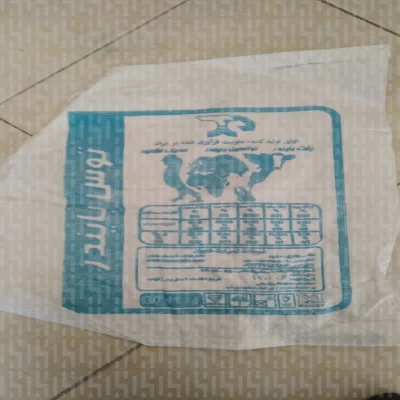
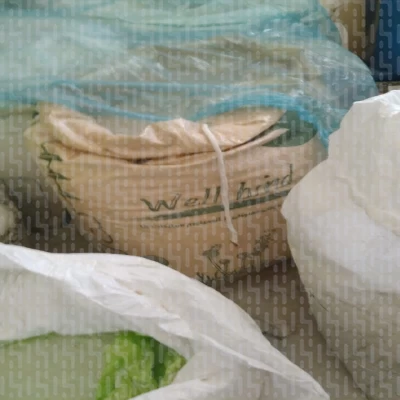
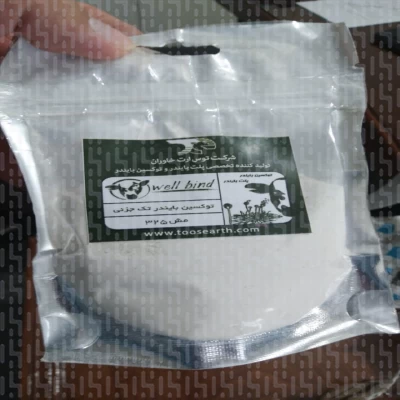
Packaging type should match order volume, unloading method, transport route, and the product’s sensitivity to moisture. Bentonite is usually supplied in small bags, jumbo bags, or in bulk.

25 and 30 kg Bentonite Bags
Small bags are suitable for staged consumption, limited warehouse space, and lines with manual charging. The bag should resist tearing and moisture penetration. For powdered product, an inner liner or suitable packaging can reduce dust leakage.
Bentonite Jumbo Bags
Jumbo bags are suitable for multi-ton orders, unloading by crane or forklift, and mechanical charging. Common jumbo-bag weights can range from about 500 to 1,250 kg.
The exact capacity should be coordinated with bag strength, pallet, transport vehicle, and buyer equipment. For export orders, jumbo-bag dimensions, lifting loops, inner liner, printed information, pallet, and maximum stacking height should be approved before packaging is produced.
Bulk Bentonite Sales
Bulk transport is suitable for factories with silos, unloading systems, and continuous consumption. This method reduces packaging costs, but moisture entry, contamination from the previous load, and mixing of grades must be prevented.
Before loading, the cleanliness of the tank or bunker is checked. Net weight, seal, retention sample, and shipment number should also be recorded in the transport documents.
How to Store Bentonite in a Warehouse
Bentonite should be stored in a dry environment, on a clean surface, and protected from rain. Direct contact between bags and a damp floor can cause moisture absorption, caking, and packaging damage.
Bags are stacked on pallets and a gap is left between the load and the wall to allow inspection and airflow. Opened product should be resealed. Different grades should also be stored separately with clear labels.

Does Bentonite Have an Expiration Date?
Mineral bentonite does not spoil quickly like organic materials, but its quality may change due to moisture absorption, contamination, compaction, or packaging damage.
Activated grades and formulated products should be used within the storage period stated by the manufacturer.
In industrial warehouses, a first-in, first-out method prevents shipments from remaining in storage too long. Before using older product, moisture, caking, and technical indicators are checked again.
Bentonite absorbs moisture. A covered warehouse, sound pallets, clearance from the floor, and closed packaging prevent most caking and flowability problems.
Comparison of Bentonite with Kaolin and Zeolite
Bentonite, kaolin, and zeolite are all mineral materials, but they are not direct substitutes for one another. Bentonite is selected because of swelling, adhesion, and slurry formation. Kaolin usually has low swelling and is used in ceramics, paper, paint, and fillers.
Zeolite also has a porous structure and is used in ion adsorption, treatment, agriculture, and some feed formulations.
In animal feed or agriculture, bentonite and zeolite may be suggested for similar purposes, but their adsorption capacity, mineral composition, and effects are not the same. Selection should be based on product testing and the intended use.

Foreign Bentonite Brands
Foreign brands generally supply products for a specific application. A trade name should not be the ordering criterion without reviewing the data sheet.
A bentonite product used in foundry, sealing, or animal feed may be produced under the same corporate group, but have a different formulation and standard.
Well-known global names include
- bentonite products from Clariant,
- products from CETCO
- and VOLCLAY,
- products from Wyo-Ben and
- mineral products from Laviosa .
GEKO is one of Clariant’s bentonite products for foundry use. CETCO supplies sodium bentonite and sealing and geosynthetic systems.
Wyo-Ben operates in Wyoming bentonite and drilling and civil products. Laviosa also processes bentonite for industry, animal bedding, and mineral processes.

A higher price for an imported product alone is not evidence of better performance. Iranian and foreign samples should be tested at the same dosage under actual line conditions. Freight cost, supply lead time, and the possibility of continuous purchasing also affect the final decision.
Bentonite Export and Import
In international trade, bentonite is usually declared under the six-digit HS code 250810. However, an activated, blended, or formulated product may require further customs review depending on its composition and form of supply.
The final code should be checked with a customs specialist in the country of origin and destination before declaration. Iranian bentonite exports mainly involve drilling, foundry, pelletizing, grounding-pit, absorbent, and general-purpose grades.
Competitiveness is not limited to the mine price. Quality consistency, packaging, freight cost to the border or port, technical documents, and delivery time affect the possibility of concluding a contract.
Documents Required for Bentonite Export
For an export order, a pro forma invoice, commercial invoice, packing list, certificate of origin, COA, SDS, and transport documents are usually required.
Net and gross weight, number of packages, batch number, country of origin, and delivery terms should be consistent across the documents.
The buyer may request pre-shipment inspection, a retention sample, third-party laboratory analysis, or certificates specific to feed grade.
These items should be specified before the final price is quoted because testing, pallets, liners, custom printing, and inspection have separate costs.

Customs Classification:The World Customs Organization classifies bentonite under subheading 250810. The destination country’s national title and tariff can be checked in the English-language WCO Trade Tools system.
When Does Bentonite Import Make Sense?
Importing is considered when a production line requires a specific grade, proprietary formulation, or level of consistency that has not been approved from domestic sources.
Some foreign bentonite products are not raw bentonite and are supplied together with polymers, mineral coal, or industrial additives.
The real import cost includes the product price, international freight, insurance, inspection, import duties, warehousing, customs clearance, and domestic transport.
Imported and Iranian products should be compared based on the cost of use in the final product, not the price per kilogram on the invoice.
Industrial Bentonite Buying Guide
For industrial purchasing, first specify the application and monthly consumption. Then write down the properties that affect your process. Sending a request under the general title ‘high-quality bentonite’ results in non-comparable offers.

Information Required for a Bentonite Inquiry
In your request, include the application, order quantity, monthly consumption, particle size, allowable moisture, swelling or performance test, packaging, delivery location, and required timing. If your factory has an internal standard, send the file to the supplier.
For the first order, receive a laboratory sample. After the sample is approved, order a limited shipment and evaluate its performance on the line.
A high-tonnage contract should specify the reference-sample number, acceptance limits, sampling method, and procedure for handling nonconforming material.
Do not accept an approved sample without recording the batch number and contractual specifications. A high-quality sample may have been prepared from a different shipment. The reference sample should be sealed and retained so that the main shipment can be compared with it.
Wholesale Bentonite Sales
Wholesale bentonite sales can range from one truckload to monthly and annual contracts. The minimum order quantity depends on the grade, packaging, and loading location.
For continuous orders, a staged-delivery schedule prevents large volumes from being stored and absorbing moisture.
Factories with continuous consumption should preferably have an approved backup source in addition to the primary supplier.
The alternative product should also be tested before an emergency occurs. A sudden purchase from an unknown source may cost more in line downtime than the difference in product price.
Today’s Bentonite Price and Factors Affecting the Price per Ton
The price of bentonite depends on grade type, mine, level of processing, mesh, moisture, packaging type, order quantity, and delivery location.
Raw or general-purpose bentonite does not have the same price as drilling bentonite tested to API requirements, feed grade, or an activated product.
A fixed price list can be misleading for an industrial order.
Freight can make up a significant part of the delivered price and changes with the distance from the mine to the factory. The current price should be issued for the quantity, specifications, and destination of that specific order.

In the purchase request, state the city and industrial park, load quantity, packaging type, ability to unload jumbo bags, permitted truck-entry hours, and whether delivery is required in one shipment or periodically.
Why Buy Bentonite Through SHIMICO?
SHIMICO is a communication platform for viewing listings, comparing offers, and connecting with suppliers of chemicals and minerals. Buyers can specify the bentonite type, order quantity, and delivery location and review relevant offers.
Producers, mine owners, and trading companies can also introduce their products on SHIMICO. Providing technical specifications, packaging images, supply capacity, and loading location helps generate more precise inquiries.
Request a Price Quote and Buy Industrial Bentonite
To receive sales offers for drilling, foundry, grounding-pit, animal-feed, agricultural, or export-grade bentonite, register your order specifications.
Reviews from Industrial Bentonite Buyers
‘Before the main order, we tested the bentonite sample in the factory’s sand system. Matching particle size and green strength with the stated specifications led us to continue purchasing on a monthly basis.’
Company name, city, and purchase date should be added after customer approval.‘Price was not the only important factor for us. We reviewed heavy-metal analysis, moisture, and feed-grade documentation and, after approval by the quality-control department, placed a high-tonnage order.’
Replace this text with a real buyer review.‘We tested the bentonite sample with the project-site water. We selected a product that provided the viscosity and filtration loss required by the project at a lower dosage.’
Publish the project name and order specifications only with the customer’s permission.‘Particle size, dust level, and clumping strength were important for our line. After testing several samples, we selected a grade that produced fewer fines in the final packaging.’
Add the customer’s actual rating and test result.‘Before loading, the COA, jumbo-bag weight, liner type, and packaging print were approved. A retention sample was also kept from the shipment so that the documents and dispatched goods could be matched.’
Destination country and order volume should be stated after receiving the buyer’s permission.Frequently Asked Questions About Buying, Pricing, and Selling Bentonite
Where Can We Buy Bentonite?
For bulk orders, inquiries can be obtained from a producer, processor, trading company, or the SHIMICO marketplace. Before purchasing, review the application, COA, sample, loading location, and freight cost.
How Is the Price per Ton of Bentonite Determined?
Grade, swelling, moisture, particle size, activation, packaging, order quantity, and destination affect price. To receive a reliable figure, the complete order specifications must be provided.
Which Is the Best Bentonite in Iran?
No single product is the best for all industries. Suitable bentonite should pass the tests required for its specific application and maintain consistent quality across consecutive shipments.
What Is the Difference Between Sodium and Calcium Bentonite?
Sodium bentonite usually has greater swelling and sealing power. Calcium bentonite shows less swelling and is used in absorbents, agriculture, and some treatment processes.
Is Drilling Bentonite Suitable for Grounding Pits?
Some specifications may be similar, but the product should be evaluated for swelling, water retention, soluble compounds, and soil conditions. The drilling-grade name alone does not confirm suitability for a grounding system.
Can Any Bentonite Be Used in Animal Feed?
No. Animal-feed bentonite must have feed-use documentation, contaminant analysis, and the required authorizations. Industrial, drilling, or grounding-pit grade must not enter livestock feed.
What Is the Minimum Order for Bentonite?
The minimum order depends on the seller, grade, and packaging. For industrial use, orders are usually negotiable from a few sample bags to one truckload or a monthly contract.
Is Bulk Bentonite Better or Bagged Bentonite?
Bulk supply is suitable for a factory with a silo and continuous consumption. Bags or jumbo bags make unloading and storage easier to control. The choice depends on consumption volume and factory equipment.