





Liquid caustic soda is a corrosive alkaline substance. This page has been written for technical understanding, industrial evaluation, and awareness of safety considerations. It is not a substitute for the SDS, MSDS, HSE procedures, professional safety advice, or chemical-transport regulations.
This material must be used, stored, transferred, and transported only in a controlled industrial environment by trained personnel.
What Is Liquid Caustic Soda, and Why Is Industrial Liquid Caustic Soda Known as Liquid Sodium Hydroxide?
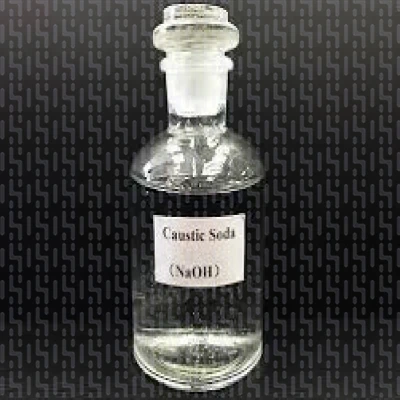
Liquid caustic soda is an aqueous solution of sodium hydroxide. Its scientific name is liquid sodium hydroxide, or Sodium Hydroxide Solution. In the market, it is also known as liquid caustic soda, caustic soda solution, liquid NaOH, and sodium hydroxide solution.
Liquid caustic soda is commonly produced at concentrations of 30%, 45%, 48%, and 50% by weight The 50% concentration is the most common industrial grade and accounts for the largest volume of transactions on the Iran Mercantile Exchange. Below 12°C, a 50% solution begins to crystallize; it must therefore be stored above 15°C.
What Is Liquid Caustic Soda Called in English, and Why Is “Sodium Hydroxide Solution” Used in Technical Documents?
In English, liquid caustic soda is commonly written as Sodium Hydroxide Solution, Liquid Caustic Soda, or Caustic Soda Solution.
In certificates of analysis, safety data sheets, shipping documents, and industrial data sheets, the name Sodium Hydroxide Solution is more precise because it identifies the active substance, NaOH, and indicates that the product is supplied as an aqueous solution.
The Formula of Liquid Caustic Soda and the Term NaOH in Its Specifications
When the formula NaOH or the term Sodium Hydroxide appears in a product’s technical specifications, it refers to the active alkaline component of liquid caustic soda. In 50% liquid caustic soda, the weight percentage of NaOH is an important quality-control criterion.
If the actual percentage differs from the declared percentage, an industrial user may encounter errors in pH control, detergent formulation, papermaking, or wastewater treatment.

In the Iranian market, the terms liquid caustic soda, liquid sodium hydroxide, caustic soda solution, liquid NaOH, and sodium hydroxide solution generally refer to the same product family.
The main difference is in naming, not in chemical nature. The real differences should be sought in concentration, purity, analysis, impurities, technical documentation, and transport conditions.
What Is 50% Liquid Caustic Soda? Reviewing Concentration, NaOH Percentage, and Density
The concise answer is that 50% liquid caustic soda is a solution of sodium hydroxide in water with a reported NaOH concentration close to 50% by weight.
This concentration is common in many industrial applications because it contains a high amount of active material and, compared with the solid form, can be introduced more easily into some industrial production lines.
When evaluating 50% liquid caustic soda, three indicators should be considered together:
the NaOH percentage, density, and visual characteristics.
If only the percentage on the label is considered while density, analysis, and batch number are not checked, the industrial buyer has an incomplete picture of the product. This is where the COA and SDS become important.
Why Is the Percentage of Liquid Caustic Soda More Than Just a Number on the Label?
The concentration of liquid caustic soda affects consumption cost, process dosing, pH control, the quantity transported, and even the storage plan.
An industrial facility may calculate the product requirement for formulation or pH control based on its NaOH percentage. If the actual percentage is lower than declared, consumption will increase.
Physical Properties of Liquid Caustic Soda: Appearance, Color, Density, and the Behavior of 50% Solution
To evaluate industrial liquid caustic soda correctly, knowing only the product name is not enough. Its physical properties help quality-control, warehouse, transport, and HSE teams inspect the received product more effectively.
Appearance, color, clarity, density, low-temperature behavior, viscosity, and packaging condition are all indicators that should be assessed alongside the COA and SDS.
If the product’s appearance does not match the declared specifications, a technical assessment should be completed before it enters the production line.

Color and Appearance of Liquid Caustic Soda
Liquid caustic soda is generally seen as a clear, colorless to slightly cloudy solution. Under standard conditions, a large amount of suspended matter, unusual discoloration, sediment, an oily layer, visible contamination, or severe cloudiness may indicate the need for further investigation. Appearance alone, however, is not sufficient to confirm quality.
A liquid caustic soda product may appear clear while its NaOH percentage, density, or impurities do not meet the requirements of the production line.
For this reason, appearance should be only the first stage of industrial purchasing and evaluation. The main stage is to compare the appearance with the liquid caustic soda COA, SDS, batch number, purity percentage, density, and transport conditions.
This approach reduces decision-making errors and allows the product to be evaluated for quality and safety before industrial use.
Odor and Physical State of Liquid Caustic Soda
Under normal conditions, liquid caustic soda does not have a characteristic odor like volatile organic solvents.
This must not lead an operator or specialist to inspect it by smelling it directly.
Liquid caustic soda is corrosive and must be examined using controlled methods, suitable instruments, and HSE procedures.
In an industrial environment, relying on odor, touch, or any unsafe inspection method is not an acceptable quality-control practice.
Density of Liquid Caustic Soda and Its Relationship to NaOH Concentration
One of the most important physical properties of liquid caustic soda is its density. Density is related to both concentration and temperature. When a product is presented as 50% liquid caustic soda, its density should fall within the expected range for such a solution.
If the density does not correspond to the declared concentration, the quality-control unit should investigate rather than relying only on the name shown on the invoice or label.
Behavior of Liquid Caustic Soda at Low Temperatures
Liquid caustic soda, especially at high concentrations such as 50%, may behave differently at low temperatures. Increased viscosity, more difficult pumping, slower transfer, and greater sensitivity during winter transport are issues that industrial facilities should consider.
This is particularly important in cold regions, on long transport routes, and in liquid caustic soda exports.
For this reason, when evaluating bulk, tanker-delivered, or export-grade liquid caustic soda, concentration is not the only important factor.
Weather conditions, tanker type, transport route, storage temperature, tank design, and safe unloading capability must also be examined.
These items may not appear as part of the product price, but they have a direct effect on total cost and operational risk.
Clear appearance, appropriate density, and intact packaging are preliminary signs of quality. Final confirmation of liquid caustic soda quality, however, must be based on the COA, SDS, NaOH percentage, batch number, and compatibility with the process requirements.
Chemical Properties of Liquid Caustic Soda: pH, Reactivity, and Incompatibilities of Sodium Hydroxide Solution
The primary strength of liquid caustic soda comes from its chemical properties. It is a strong alkaline solution, which is why it is used for pH control, detergent processes, water treatment, wastewater treatment, industrial degreasing, papermaking, textiles, and many other chemical processes.
The same property also makes it corrosive and requires strict safety controls.
On a liquid caustic soda product page, the chemical-properties section should be written accurately and responsibly.
The reader should understand that liquid caustic soda is not merely a simple consumable material; it is a strong base with high reactivity.
Its use in any industry must therefore be based on the SDS, HSE procedures, suitable equipment, quality control, and the actual needs of the process.

The pH of Liquid Caustic Soda and the Alkalinity of NaOH Solution
Because it contains hydroxide ions, liquid caustic soda has a very high pH and is classified as a strong alkaline material.
This property makes it relevant for establishing alkaline conditions or adjusting pH in many industries.
Nevertheless, pH control with liquid caustic soda must be carried out only in properly designed industrial systems, using suitable measuring instruments and under technical supervision.
Reaction of Liquid Caustic Soda with Acids
Liquid caustic soda undergoes a neutralization reaction with acids. Although this reaction is well known in chemistry, it may be exothermic and hazardous in an industrial environment.
For this reason, a product-page description should not provide operating instructions, consumption ratios, or a procedure.
The purpose of this section is only to describe the chemical nature of the material and emphasize the need for safety precautions.
Reaction of Liquid Caustic Soda with Metals
Liquid caustic soda is incompatible with certain metals and may cause corrosion or unwanted reactions.
This is highly important when selecting tanks, pumps, pipes, fittings, valves, and transport tankers.
If the equipment used to transport or store liquid caustic soda is not compatible with the material, the likelihood of corrosion, leakage, and HSE hazards increases.
Carbon Dioxide Absorption and Changes in Liquid Caustic Soda Quality
Sodium hydroxide can react with carbon dioxide in the air and form carbonate compounds. This is important during long-term storage, when a cap is left open, when an unsuitable tank is used, or when packaging is damaged.
If liquid caustic soda is stored under uncontrolled conditions, its quality may be affected and it may need to be reassessed for the intended application.
Technical Specifications Table for Industrial 50% Liquid Caustic Soda
The following table presents the standard technical specifications of 50% liquid caustic soda. These figures are based on ASTM E291 and the technical specifications of reputable Iranian petrochemical producers.Liquid caustic soda must not be handled with incompatible materials, unsuitable tanks, nonstandard fittings, or in an environment without HSE controls. All storage, transfer, unloading, and industrial use must follow the SDS, internal procedures, and the instructions of the responsible safety officer.
Types of Liquid Caustic Soda by Concentration, Grade, and Application
Liquid caustic soda is divided into different types according to concentration, production method, and final application.
Industrial 50% Liquid Caustic Soda (Most Widely Used Grade)
This is the most common grade in the Iranian market. Approximately 80% of liquid caustic soda transactions on the Iran Mercantile Exchange occur at this concentration.Diluted 30% and 45% Liquid Caustic Soda
These grades are intended for applications requiring a lower concentration or for equipment that is not compatible with a 50% solution.Food-Grade Liquid Caustic Soda
This grade is produced at very high purity with precise control of metallic impurities. In the food industry, it is used for pretzel baking, olive processing, and pH adjustment.Electronic-Grade Liquid Caustic Soda (Ultra Pure)
This grade is produced at exceptionally high purity for the semiconductor and electronics industries. Its heavy-metal content is controlled at the ppb level. It is not produced in Iran and is generally imported from European countries or Japan.Liquid Caustic Soda Production Method: How Is It Produced in the Chlor-Alkali Industry?
To understand liquid caustic soda better, it is useful to know where this material usually enters the industrial supply chain. Liquid caustic soda, or sodium hydroxide solution, is one of the main products of the chlor-alkali industry.
At industrial scale, liquid caustic soda is produced through electrolysis of sodium chloride solution (NaCl) This process, known as the chlor-alkali process simultaneously produces three valuable products: sodium hydroxide, chlorine gas (Cl₂), and hydrogen gas (H₂). The overall reaction equation is:
2 NaCl + 2 H₂O → 2 NaOH + Cl₂ + H₂
Production of Liquid Caustic Soda in the Chlor-Alkali Process
The chlor-alkali process is the primary basis for the industrial production of liquid caustic soda. In this process, brine is used as the feedstock and an electric current is applied to produce important chemical products.
One of these products is sodium hydroxide solution, which is marketed as liquid caustic soda. Therefore, when discussing industrial liquid caustic soda, we are referring to a product within one of the most important basic-chemical production chains.
For an industrial buyer, the most important issue is not understanding the engineering details of the cell, but ensuring that the final product matches the required technical specifications.
NaOH percentage, density, appearance, impurity levels, batch number, COA, and SDS are indicators of production quality control.

Membrane Method for Producing Liquid Caustic Soda
The membrane process is one of the common and more modern methods used in the chlor-alkali industry. Separation is performed with a membrane, and the final product may offer more controlled quality in certain parameters.
When the market refers to membrane-grade liquid caustic soda, the focus is generally on consistent quality, impurity control, and suitability for industrial use.
This section of a product page does not need to become excessively technical or complex. It is better to explain that the production method is not merely general information; it affects quality, analysis, purity, and buyer confidence.
Therefore, a supplier claiming to offer membrane-process liquid caustic soda or controlled-purity liquid caustic soda should also be able to provide verifiable technical documents.
Diaphragm Method for Producing Liquid Caustic Soda
The diaphragm method is another recognized chlor-alkali production process. The resulting product can also be used in various industries, but its technical specifications, purity, impurity profile, certificate of analysis, and final application must be reviewed before selection.
For some industries, the production method may be more important, while for others, concentration consistency and final price may have greater practical importance.
Difference Between Manufactured Liquid Caustic Soda and a Solution Made by Dissolving Caustic Soda Flakes
In some cases, sodium hydroxide solution is produced in the market by dissolving caustic soda flakes in water.
Chemically, the active component is still NaOH, but differences in quality control, traceability, impurities, concentration stability, production documentation, and suitability for certain industrial applications must be evaluated.
Therefore, the name liquid caustic soda alone is not enough for industrial purchasing and assessment. It should be established whether the product was obtained directly from an industrial production process or by dissolving caustic soda flakes.
The production method affects the quality, impurity profile, concentration stability, price, and suitability of liquid caustic soda for different applications.
Industrial assessment should therefore consider the production method alongside the COA, SDS, density, NaOH percentage, and process requirements.
Industrial Applications of Liquid Caustic Soda: From Detergents and Water Treatment to Papermaking, Textiles, and Oil and Gas
Because of its alkalinity, liquid caustic soda serves in various industries as a pH adjuster, degreasing agent, acid neutralizer, processing aid, and base material. It is important, however, to distinguish an explanation of applications from instructions for use.
On this page, applications are described at an industrial and conceptual level, not as dosing instructions, mixing ratios, or operating procedures.

Liquid Caustic Soda in Soap and Detergent Manufacturing
In traditional soapmaking, liquid caustic soda reacts with fats or vegetable oils in the saponification reaction: Triglyceride + 3 NaOH → Glycerol + 3 Soap.
In the production of industrial and household detergents, it is also used to adjust pH and increase degreasing power.
Liquid Caustic Soda in Water and Industrial Wastewater Treatment
Liquid caustic soda is used in water-treatment plants for pH adjustment, water softening through hardness removal, and neutralization of acids in wastewater.
In reverse-osmosis systems, it is used to clean membranes and remove organic and biological deposits.
Liquid Caustic Soda in the Paper and Pulp Industry (Largest Consumer)
More than 20% of global liquid caustic soda production is consumed by the papermaking industry.
In the Kraft process, liquid caustic soda is used with sodium sulfide to digest wood lignin and separate cellulose fibers. It also plays a role in pulp bleaching and process-chemical recovery.
Liquid Caustic Soda in the Textile and Dyeing Industry
Liquid caustic soda is used in cotton mercerization, which increases luster, strength, and dye uptake. It also helps remove fats and pectic substances from fibers. A typical concentration is an 18% to 25% caustic soda solution.
Liquid Caustic Soda in Leather Processing
Liquid caustic soda and other alkaline materials are used in certain industrial stages of leather processing.
Because this industry directly involves chemical processes, it requires precise pH control, raw-material quality control, and compliance with safety requirements. In such applications, liquid caustic soda must be used according to the plant’s procedures and under technical supervision.
Liquid Caustic Soda in Oil, Gas, and Petrochemicals
In oil refineries, liquid caustic soda is used to scrub sour gases by removing H₂S and CO₂ and to neutralize naphthenic acids. In oil and gas drilling, it is used to adjust drilling-mud pH and help stabilize well walls.
Liquid Caustic Soda in Industrial Degreasing
Because of its alkalinity, liquid caustic soda is used in certain industrial degreasing systems. This application requires an industrial setting, controlled equipment, adequate ventilation, safety systems, and trained personnel.
Product content should make clear that degreasing refers to a controlled industrial process, not general or household use.
Pharmaceutical and Biotechnology Applications
Pharmaceutical-grade liquid caustic soda (USP/BP) is used in pharmaceutical manufacturing to adjust the pH of injectable solutions, synthesize active pharmaceutical substances, and sterilize equipment. In biotechnology, it is used for cell lysis and protein extraction.
Aluminum Industry (Bayer Process)
In the Bayer process for extracting alumina (Al₂O₃) from bauxite ore, high-concentration liquid caustic soda, approximately 50%, is used. Reaction: Al₂O₃·nH₂O + 2 NaOH → 2 NaAlO₂ + (n+1) H₂OEach tonne of alumina requires approximately 80 to 100 kilograms of pure liquid caustic soda.Liquid Caustic Soda in the Food Industry
Food-grade liquid caustic soda is used in the following applications:- Pretzel baking: Before baking, the dough is dipped in a 3%–4% caustic soda solution to create a brown, glossy crust.
- Olive processing: Bitter olives are soaked in a 1%–2% caustic soda solution to remove bitterness caused by oleuropein.
- Fruit and vegetable peeling: Peaches, tomatoes, and potatoes are peeled using a hot caustic soda solution.
- pH adjustment: Used in the production of cocoa, chocolate, and carbonated beverages.
“Liquid caustic soda is one of the ten most widely consumed chemicals in the world. Global demand exceeds 75 million tonnes per year, and with growth in the paper, aluminum, and water-treatment industries, this figure is expected to reach 90 million tonnes by 2030.” Source: Grand View Research – Caustic Soda Market Analysis
Liquid Caustic Soda Safety (MSDS): Hazards of Sodium Hydroxide Solution to Skin, Eyes, Respiration, and the Workplace
Liquid caustic soda is an alkaline and corrosive material, and contact with the skin, eyes, mucous membranes, or respiratory tract can be dangerous.
For this reason, every professional page about liquid caustic soda should clearly explain that the product must be handled only in a controlled industrial environment by trained personnel.
For an industrial buyer, safety is not only the responsibility of the HSE department. If the product arrives at a plant without a label, SDS, shipping information, suitable packaging, or an unloading plan, the entire supply chain is exposed to risk.
Liquid caustic soda safety must therefore begin with supplier selection and continue through transport, storage, unloading, industrial use, and waste management.

Hazards of Liquid Caustic Soda to the Skin
Skin contact with liquid caustic soda can cause injury, irritation, and chemical burns. The severity depends on concentration, contact duration, and exposure conditions.
In industrial environments, employees who work with liquid caustic soda must be trained and use suitable personal protective equipment. This is especially important during unloading, sampling, hose connection, tank inspection, and leak management.
Hazards of Liquid Caustic Soda to the Eyes
The eyes are among the most sensitive areas exposed to liquid caustic soda. Splashing of the alkaline solution can cause serious injury.
Therefore, areas where liquid caustic soda is unloaded, transferred, or used require eye protection, emergency showers and eyewash stations, trained personnel, and a rapid-response plan. These requirements should be specified in the SDS and the facility’s internal procedures.
Respiratory Hazards and Exposure to Liquid Caustic Soda Mist or Spray
Under normal conditions, liquid caustic soda does not evaporate heavily like volatile solvents. Respiratory exposure may nevertheless occur through spray, mist, aerosol, unloading operations, high-pressure conditions, or an incident.
Adequate ventilation, spray control, safe unloading procedures, and employee training are important in industrial settings. Any exposure must be managed according to HSE procedures and SDS information.
Liquid Caustic Soda Hazard Symbol and GHS Label
The corrosive hazard must be displayed clearly on a liquid caustic soda label. Warning symbols, substance name, concentration, safety information, batch number, manufacturer or supplier details, production date, storage conditions, and emergency information should be shown on the packaging or accompanying documents.
An incomplete label on a corrosive industrial product indicates a weakness in the supply chain.
Liquid caustic soda must not be handled without an MSDS, hazard label, personal protective equipment, employee training, an emergency-response plan, and suitable storage and unloading infrastructure. This material is intended for controlled industrial environments, and unprofessional handling can create serious hazards.
Liquid Caustic Soda Packaging: Packaging Types, Safety Standards, and the Right Choice for Industrial Purchasing
Because the material is highly corrosive, packaging is particularly important. It must resist corrosion, provide suitable sealing, and carry standard safety labels. The appropriate packaging depends on consumption volume, application, and the buyer’s storage capabilities.
🪣 30 kg Jerrycan
- Material: HDPE
- Suitable for: Small-scale use and laboratories
- Note: Two-piece screw cap; can be carried manually
🛢️ 1,000-Liter IBC Tank
- Material: HDPE tank with steel cage
- Suitable for: Small and medium-sized industries
- Note: Movable by forklift; recyclable
🚛 20–30 Tonne Tanker
- Material: Carbon steel or stainless steel
- Suitable for: Large industries and bulk purchasing
- Note: Lowest cost per tonne
🏭 Fixed Bulk Tank
- Material: Carbon steel or 316 stainless steel
- Suitable for: Plants with daily consumption
- Note: Requires an unloading system and pump
Industrial Liquid Caustic Soda Jerrycans: 20- and 25-Liter Packaging
Industrial jerrycans are among the smaller packaging formats for liquid caustic soda and are commonly available in 20- or 25-liter capacities.
They must be made from materials resistant to alkaline solutions, such as HDPE or other compatible industrial polymers.
This packaging is suitable for limited industrial consumption, quality-control units, industrial laboratories, controlled sampling, or facilities with lower consumption volumes.
Industrial jerrycans offer easier transport, better inventory control, and suitability for limited volumes.
For large purchases, however, packaging cost per kilogram is higher and more warehouse space is required.
A liquid caustic soda jerrycan should have an intact cap, seal, legible label, hazard warning, batch number, and information linked to the COA and SDS. An unlabeled or damaged container is not acceptable for a corrosive material such as liquid caustic soda.

Plastic Drums for Liquid Caustic Soda: 200- and 220-Liter Packaging
Plastic drums are a common option for medium-scale industrial consumption. They are generally used in capacities of 200 to 220 liters and must be made from corrosion-resistant materials such as HDPE or reinforced industrial polyethylene.
Liquid caustic soda drums are suitable for medium-sized plants, water-treatment units, textile facilities, industrial soap manufacturers, and periodic users.
The benefits of drums include staged delivery, a lower packaging cost than small containers, handling by forklift or pallet jack, and easier inventory management.
Drum unloading must nevertheless be carried out with suitable equipment by trained personnel.
Drums should be checked for leakage, cracks, swelling, body damage, cap condition, sealing, and label legibility.
Liquid Caustic Soda IBCs: One-Thousand-Liter Containers for Higher Industrial Consumption
An IBC, or Intermediate Bulk Container, is suitable for medium to high industrial consumption.
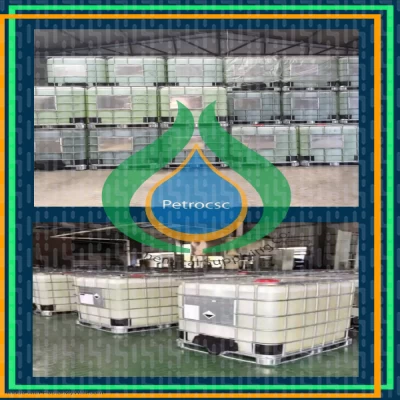
It generally consists of a resistant polyethylene inner tank, a metal or plastic protective cage, and a lower pallet. A typical IBC capacity is about 1,000 liters.
It is suitable for facilities whose consumption exceeds drum quantities but does not yet justify tanker delivery.
The advantages of IBCs include better use of warehouse space, forklift handling, controlled discharge through a valve, easier inventory management, and fewer packages than drums. An IBC for liquid caustic soda must be inspected for the condition of its inner tank, protective cage, pallet, discharge valve, cap, seal, label, and compatibility with the corrosive material. A damaged or unlabeled IBC presents a high storage risk.
Liquid Caustic Soda Tankers: Bulk Transport for Large Consumers
Tanker delivery is suitable for large consumers, continuous-process plants, heavy industries, petrochemical facilities, paper mills, major chemical producers, and facilities with the infrastructure to receive, unload, and store bulk product.
Bulk delivery is generally more economical for high volumes, but it requires complete industrial infrastructure.
For bulk transport, tanker material, internal lining, valve and fitting condition, hose compatibility, seals, previous cargo history, tanker cleanliness, unloading plan, destination tank, access route, and HSE program are all important.
A liquid caustic soda tanker must not be selected based on capacity alone; it must also be assessed for compatibility with sodium hydroxide solution, temperature conditions, transport safety, and unloading standards.
Laboratory Packaging and Small Volumes of Liquid Caustic Soda
For certain research, quality-control, or industrial laboratory applications, liquid caustic soda may be supplied in smaller volumes such as 1, 2.5, or 5 liters.
Such packaging must be stored only in a controlled environment with restricted access, complete labeling, a secure cap, and compliance with the SDS. A small volume must not cause the material’s hazard to be underestimated.
Small packages are usually the most expensive purchasing method per kilogram and are not economical for bulk buying.
They are mainly used for laboratory assessment, controlled samples, research tests, or limited industrial needs. The COA, SDS, label, and seal should still be checked with the product.
Liquid Caustic Soda Flexibags: A Bulk-Transport Option on Certain Export Routes
On some export and international transport routes, flexibags or other in-container bulk-transport methods may be considered for liquid caustic soda.
This option should be evaluated only after full confirmation of inner-layer compatibility, packaging standards, transport conditions, container type, destination requirements, loading and unloading methods, cargo insurance, and safety procedures.
On certain routes, a flexibag may reduce transport costs compared with multiple packages and use container capacity more efficiently.
It is not suitable for every destination or condition. Exporting liquid caustic soda in a flexibag requires specialist assessment, an SDS and COA, logistics approval, and compliance with the destination country’s requirements.
Liquid caustic soda must not be stored in an unlabeled container, damaged packaging, an incompatible tank, an unsealed container, or an environment without HSE controls. All receipt, storage, and transfer activities must follow the SDS, internal procedures, and the instructions of the responsible safety officer.
Storage of Liquid Caustic Soda: Warehousing Conditions, Suitable Tanks, and Risk Control in Industrial Environments
Storage is one of the most sensitive aspects of managing liquid caustic soda. Even when a product is delivered with suitable quality and complete documentation, improper storage can reduce quality, cause leakage, corrode equipment, endanger personnel, and create environmental risks.
Liquid caustic soda must therefore be stored according to the SDS, warehouse design, HSE procedures, and equipment compatibility.

Suitable Tanks for Liquid Caustic Soda
A liquid caustic soda tank must be compatible with sodium hydroxide solution. Tank material, internal lining, fittings, valves, pumps, transfer lines, and gaskets should be selected according to product concentration, temperature, operating conditions, and the SDS.
An unsuitable tank can cause corrosion, leakage, product contamination, or an incident.
Storage Temperature of Liquid Caustic Soda
The storage temperature must be compatible with the product concentration and environmental conditions. At low temperatures, certain concentrated solutions may experience problems with flow, pumping, or unloading.
At high temperatures, system stability, equipment safety, and tank conditions must also be assessed. Storage temperature should therefore be defined in internal procedures based on the product’s technical information.
Labeling Liquid Caustic Soda Tanks
A liquid caustic soda tank must have a clear, legible label. The material name, concentration, hazard symbol, receipt date, batch number, emergency information, access restrictions, and required warnings should be displayed.
A missing or illegible label in an industrial environment increases the risk of human error and can lead to mistakes during unloading, transfer, or use.
Managing Liquid Caustic Soda Leaks
Leak management must be planned before an incident occurs. The industrial facility should know who is responsible, which area must be secured, what personal protective equipment is required, how the incident should be recorded, and how waste must be managed.
These measures should be specified in the HSE procedure and SDS.
✅ Liquid Caustic Soda Warehouse Requirements
- Warehouse temperature: Above 15°C to prevent crystallization
- Adequate ventilation with fresh air
- Acid- and alkali-resistant flooring
- A dike system for spill containment
- Emergency shower and eyewash station within 10 seconds
- Fire-alarm system
- Warning signs and an accessible SDS
🚫 Prohibited in a Liquid Caustic Soda Warehouse
- Storage next to acids such as HCl, H₂SO₄, or HNO₃
- Storage next to flammable materials
- Aluminum or galvanized containers
- Unventilated areas
- Locations near heat sources or open flames
- Prolonged contact with paper or fabric
🌍 Reputable International Liquid Caustic Soda Brands
In global markets, several major multinational companies account for a significant share of liquid caustic soda production and distribution.
Familiarity with these brands is particularly important for companies that require caustic soda for sensitive processes such as pharmaceuticals, electronics, or food manufacturing:
Olin Corporation
United States | Largest U.S. Producer
The first chlor-alkali producer in North America, with annual capacity exceeding 4 million tonnes. Olin products are used in the semiconductor, pharmaceutical, and food industries because of their high purity—50% concentration with minimal iron impurities. The company holds NSF certification for drinking-water applications.
BASF SE
Germany | The World’s Largest Chemical Company
BASF produces liquid caustic soda both as a standalone product and as a by-product of chemical processes. Its main focus is on specialty grades with extremely low impurity levels for sensitive industries. Global technical support and consistent quality are among the brand’s principal advantages.
Ineos Chlor
United Kingdom | European Market Leader
Ineos, through the Inovyn brand, is one of Europe’s largest chlor-alkali producers. Its products comply with European REACH standards and are used in industries ranging from water and wastewater treatment to synthetic fibers and paints. A broad distribution network across Europe is one of the brand’s key advantages.
Formosa Plastics
Taiwan | Asian Market Leader
Formosa Plastics Group is one of Asia’s largest chlor-alkali producers. Competitive pricing, high production capacity, and easy access through Asian ports make the brand an attractive option for Iranian and Middle Eastern buyers. Its main product is supplied at 50% concentration with purity of 98% or higher.
AGC Chemicals
Japan | Specialist in Electronic Grades
Japan’s AGC specializes in producing ultra-high-purity electronic-grade liquid caustic soda for the semiconductor and display industries. Sodium chloride concentration in its products can be below 5 ppm, a specialized standard for sensitive industries.
Tronox / Westlake
United States | High Volume and Competitive Pricing
Through mergers with several groups, Westlake Chemical has become one of North America’s largest caustic soda producers. The company focuses on supplying high volumes at competitive prices and is a major option for large-scale papermaking, textile, and water-treatment industries.
Iranian Liquid Caustic Soda Exports and Imports: Required Documents and Factors Affecting Export Prices
Because of its geographic position, access to overland routes, and capacity for producing basic chemicals, Iran holds a notable position in the regional trade of liquid caustic soda, or sodium hydroxide solution.
Exporting and industrial purchasing, however, are not based on price alone. Technical documents, COA, SDS, packaging type, transport conditions, analytical quality, and safety requirements must be assessed together.
📤 Exporting Liquid Caustic Soda from Iran
Liquid caustic soda exports are generally relevant to countries that require basic chemicals for detergent, textile, leather, paper, water-treatment, and other industrial operations.
For such exports, the product must be assessed for concentration, packaging, technical documentation, labeling, transport route, and unloading conditions. Export-grade liquid caustic soda may be shipped by tanker, IBC, industrial drum, or, on certain routes, by approved bulk-transport methods.
The transport method must be selected with input from logistics and HSE specialists.
🌐 Regional Markets to Consider
- Iraq: A nearby market with strong demand for industrial chemicals
- Afghanistan: Suitable for assessing demand from detergent and manufacturing industries
- Turkmenistan: A potential market for textile and chemical industries
- Pakistan: A market to assess for leather, paper, and detergent applications
- Azerbaijan: A regional route with logistics and commercial importance
📦 Export Product Specifications
- Product type: Industrial liquid caustic soda, generally at the common concentration of 50%
- Packaging: Tanker, IBC, industrial drum, or an approved bulk-transport method
- Tariff code: Must be verified with a customs broker before export
- Transport: Only with equipment suitable for corrosive materials and complete documentation
- Documents: COA, SDS, invoice, packing list, and certificates of origin when required
🧾 Important Export Documents
- COA: Certificate of analysis for the same product batch
- SDS: Current safety data sheet that can be provided to the foreign buyer
- Invoice: Commercial invoice containing complete product information
- Packing List: Packaging details, weights, and package counts
- Label: Legible label showing the substance name, concentration, and hazard warning
🛒 Industrial Liquid Caustic Soda Purchasing Guide: A Decision Checklist for B2B Buyers
The objective of an industrial liquid caustic soda purchase is not simply to find the lowest price.
The buyer should verify the product’s NaOH percentage, density, COA, SDS, packaging, transport conditions, compatibility with the destination tank, and suitability for the intended application. The following checklist helps turn the purchase from a rushed decision into a controlled and defensible process.
Define the Required Technical Specifications Precisely
Before negotiating with a supplier, define the intended application and whether the requirement is for industrial liquid caustic soda, 50% liquid caustic soda, a specialty grade, bulk packaging, drums, or IBCs. Also specify the acceptable NaOH range, density, impurity limits, and documents required by the quality-control unit.
Check the COA, SDS, and Document Authenticity
Ask the supplier to provide the COA for the same batch, a current SDS, and the product’s technical information. If a specific certificate or standard is claimed, its validity should be verifiable through the issuing body or official channels. Generic, outdated, or untraceable documents are not sufficient for industrial purchasing.
Compare Prices Using the Same Basis and Equivalent Conditions
Do not compare liquid caustic soda prices using the headline figure alone. Prices should be compared based on concentration, net weight, packaging type, delivery city, freight cost, payment terms, unloading costs, and technical documentation. Comparing bulk tanker pricing with IBC or drum pricing without considering ancillary costs will not produce an accurate result.
Select Packaging Appropriate to Consumption Volume
For limited consumption, industrial jerrycans or drums may be considered. For medium consumption, IBCs can be suitable. For large, continuous demand, bulk tanker delivery is more economical, but only when the buyer has a suitable tank, a safe unloading route, HSE equipment, and trained personnel.
Assess Storage and Receiving Infrastructure
Before placing an order, determine where the product will be stored, whether the destination tank or packaging is compatible with liquid caustic soda, how it will be labeled, who is responsible for receiving it, and what plan will be followed if leakage or package damage occurs.
Match the Product to the Final Application
Liquid caustic soda used in detergents, water treatment, textiles, papermaking, leather processing, petrochemicals, or export does not have identical quality sensitivity, documentation, packaging, or transport requirements. Before purchase, the product should be aligned with process procedures, quality-control requirements, and HSE rules.
✅ Quick Checklist for Purchasing Industrial Liquid Caustic Soda
- Is the NaOH percentage specified?
- Is the density stated?
- Does the product have a batch number?
- Does the COA correspond to this shipment?
- Has a current SDS been provided?
- Is the product label complete?
- Is the container compatible with liquid caustic soda?
- Are the seal and cap intact?
- Is there any leakage or visible damage?
- Is the freight cost specified?
- Have the unloading conditions been reviewed?
- Has the person responsible for receiving been identified?
Buying Liquid Caustic Soda Through Shimico: Chemical Listings, Wholesale Sales, and B2B Connections
For many industrial buyers, finding accurate information about purchasing liquid caustic soda, comparing suppliers, reviewing chemical listings, understanding current prices, and obtaining technical information is time-consuming.
As a specialized chemical platform, Shimico can simplify the process of reviewing listings, comparing product information, and establishing B2B connections among market participants.
Reviewing Liquid Caustic Soda Listings and Posting Chemical Ads on Shimico
If you are active in the production, supply, export, import, or industrial consumption of chemicals, Shimico provides a specialized platform for reviewing chemical listings, presenting products, comparing technical information, and creating B2B connections among market participants.
For liquid caustic soda, the technical specifications, COA, SDS, packaging type, and delivery conditions should be reviewed before a final decision is made.
💬 Customer Reviews
Real Buyer Experiences with Liquid Caustic Soda
I received 50% liquid caustic soda with purity above 99% through Shimico. The COA matched the actual analysis exactly. Consistent quality between batches helped reduce raw-material waste. The price was competitive and delivery was on time.
The IBC tank packaging was intact and met the standard. A complete SDS was provided in Persian, which was very useful for staff training. Shimico’s sales team gave precise guidance on storage at low temperatures. I strongly recommend using complete safety equipment.
During winter, we experienced caustic crystallization in transit. After we contacted you, your team recommended heating the storage tank and preventing sudden cooling, which solved the problem. I would only add the reminder that caustic soda should always be added to water, not the reverse, because the exothermic reaction is hazardous.
I used the structured evaluation checklist provided by Shimico’s sales team and was able to choose the right supplier. Feedback from existing customers was very helpful in making a better decision. The final price, including transport and unloading, was stated transparently, with no hidden charges.
Frequently Asked Questions About Liquid Caustic Soda, 50% Liquid Caustic Soda Prices, SDS, COA, and Industrial Purchasing
What Is Liquid Caustic Soda?
Liquid caustic soda is an aqueous sodium hydroxide solution with the formula NaOH. It is also known as liquid sodium hydroxide, caustic soda solution, liquid NaOH, and Sodium Hydroxide Solution. It has industrial applications in detergents, water treatment, papermaking, textiles, leather processing, oil and gas, and petrochemicals.
What Is 50% Liquid Caustic Soda?
A 50% liquid caustic soda solution contains approximately half sodium hydroxide by mass, with the remaining portion consisting mainly of water. This concentration is common in many industrial applications, but it should be assessed using the COA, density, SDS, and process requirements.
What Is the Formula of Liquid Caustic Soda?
The formula of the active component in liquid caustic soda is NaOH. In technical documents, the material is identified as Sodium Hydroxide Solution or Liquid Caustic Soda. The NaOH percentage in the solution is the most important technical indicator for evaluating concentration and industrial consumption.
What Is the Difference Between Liquid Caustic Soda and Caustic Soda Flakes?
Caustic soda flakes are the solid form of sodium hydroxide, while liquid caustic soda is an aqueous sodium hydroxide solution. The main differences concern physical state, transport, packaging, storage, industrial handling, and concentration control. Both materials are corrosive and must be managed according to the SDS and HSE procedures.
What Is the Density of 50% Liquid Caustic Soda?
The density of 50% liquid caustic soda depends on temperature and product specifications and should be checked in the data sheet or COA. Density can help verify whether the concentration is consistent, but it is not a definitive measure of quality by itself and should be considered alongside the NaOH percentage, appearance, COA, and SDS.
How Is Today’s Liquid Caustic Soda Price Determined?
Today’s liquid caustic soda price depends on the NaOH percentage, production origin, order volume, packaging type, delivery city, freight cost, payment terms, market availability, COA, SDS, and end use. Price comparisons should therefore be made under equivalent conditions.
Is the Price of 50% Liquid Caustic Soda Different from the Export Price?
Yes. Export liquid caustic soda prices may differ from domestic prices because export packaging, transport routes, documentation, destination, payment terms, document preparation, labeling, and destination-country requirements affect the final price.
What Is a Liquid Caustic Soda SDS?
A liquid caustic soda SDS, or Safety Data Sheet, describes safety information, hazards, transport, storage, personal protective equipment, incompatibilities, emergency response, and waste management. For a corrosive material such as liquid caustic soda, the SDS must be reviewed before the product enters an industrial environment.
What Is a Liquid Caustic Soda COA?
A liquid caustic soda COA, or Certificate of Analysis, is the product analysis document. It should show the NaOH percentage, quality specifications, batch number, test date, and traceable product information. The COA is highly important for quality control in industrial purchasing.
Which Industries Use Liquid Caustic Soda?
Liquid caustic soda is used in detergent manufacturing, water treatment, wastewater treatment, papermaking, textiles, leather processing, oil and gas, petrochemicals, and industrial degreasing. Its precise use should be determined by process design, plant procedures, and technical specialists.
Is Bulk Liquid Caustic Soda Better Than Drummed Product?
The choice between bulk, drummed, or IBC liquid caustic soda depends on consumption volume, unloading facilities, storage conditions, HSE infrastructure, transport distance, and the production plan. High-volume users generally consider bulk delivery, but only when they have a suitable tank and safe unloading capability.
What Features Should a Suitable Liquid Caustic Soda Tank Have?
A suitable tank must be compatible with sodium hydroxide solution, carry a clear label, be monitored for leakage and corrosion, and be selected according to the SDS and HSE procedures. Tank material, fittings, and the transfer route should be selected by a technical specialist.
How Can High-Quality Liquid Caustic Soda Be Distinguished from a Suspicious Product?
To identify high-quality liquid caustic soda, check the COA, SDS, NaOH percentage, density, appearance, batch number, seal, label, and packaging condition. A product without documents or a batch number, with damaged packaging, or with an unusually low price should be assessed more carefully.
What Documents Are Required for Export-Grade Liquid Caustic Soda?
Export-grade liquid caustic soda generally requires a COA, SDS, invoice, packing list, packaging information, transport specifications, product label, and documents related to the origin and destination. The documents must correspond to the shipped product and batch number.
How Does Buying Liquid Caustic Soda Through Shimico Help an Industrial Buyer?
As a specialized chemical platform, Shimico can enable buyers to review relevant listings, compare product information, view technical specifications, and establish B2B connections with market participants. Before making a final decision, the industrial buyer should review the COA, SDS, packaging, transport conditions, and final price.
Is Liquid Caustic Soda Considered a Hazardous Material?
Yes. Liquid caustic soda is corrosive and alkaline, and contact with the skin, eyes, or mucous membranes can cause serious injury. It must be transported, stored, unloaded, and used only in a controlled industrial environment with personal protective equipment, trained personnel, and compliance with the SDS.