





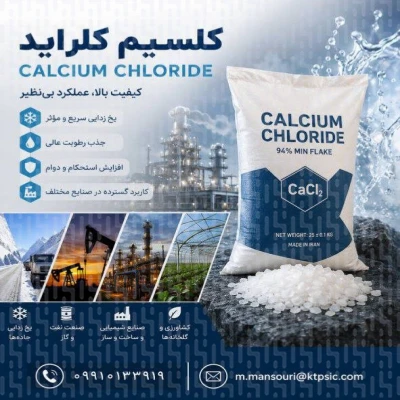
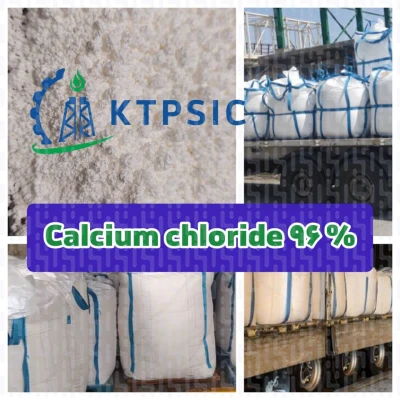






Strategic Guide to Bulk Calcium Chloride Purchasing: Everything Industries Need to Know for High-Tonnage Supply
If you operate in drilling, road construction, or food production, you probably know that buying calcium chloride of good quality is not just a simple transaction; it guarantees the stability of your operations. Many purchasing managers think calcium chloride is merely a moisture-absorbing salt, but the truth is that differences in grade (food or industrial) and purity percentage can shift millions of tomans in your project's final costs.
When buying industrial calcium chloride, do not look only at the price per kilogram. Physical form, purity percentage, moisture content, grade, packaging, COA, MSDS, country or manufacturing plant, and transportation conditions directly affect the final cost and quality in use. In volatile markets, the cheapest **calcium chloride for sale** does not always mean the best purchase.
What Is Calcium Chloride and Why Does It Lead in Heavy Industries?
Let's set formalities aside; calcium chloride (CaCl_2), beyond its chemical formula, is a real problem-solver in industry. This mineral salt, which is supplied in the market as calcium chloride granules, flakes, or liquid, is unrivaled in de-icing and drilling projects because of the heat it releases when dissolved in water.
When we talk about buying industrial calcium chloride we are actually talking about a material that can absorb several times its own weight in water. This means that if you are not careful with storage, your entire investment can turn into liquid!

Calcium Chloride in English and Common Names in International Purchasing
If you are importing, exporting, or requesting a quotation from a foreign supplier, it is better to know the common names of this material. In international documents, the name Calcium Chloride is the most common term.
For dry grades, the name Anhydrous Calcium Chloride is used for water-free calcium chloride.
For the dihydrate grade, the term Calcium Chloride Dihydrate is used.
For the solution, the term Calcium Chloride Solution or Liquid Calcium Chloride is usually written.
In international purchasing, the English name alone is not enough. The CAS number, purity percentage, product form, packaging, standard, and final application should be included in the inquiry. If you are buying for the food industry, the term Food Grade Calcium Chloride is important.
If you are buying for drilling, the terms Drilling Grade or Oilfield Grade can be more precise.
Where Can You Buy Calcium Chloride? The Iranian Market Versus Foreign Brands
Many customers ask us where can we buy calcium chloride that is both authentic and competitively priced? The answer lies in a direct supply chain. In Iran, production hubs such as Semnan and Qom manufacture calcium chloride in export grades.
However, for highly sensitive laboratory applications, brands such as Merck calcium chloride or Dr. Mojallali still have their place. Choosing between domestically produced calcium chloride and Chinese or German products depends entirely on the project budget and the sensitivity of your analysis.
Physical Properties of Calcium Chloride for Industrial Purchasing, Transport, and Storage
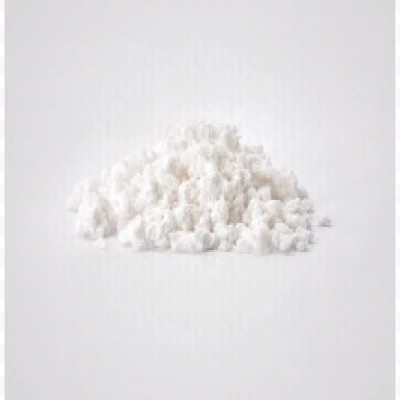
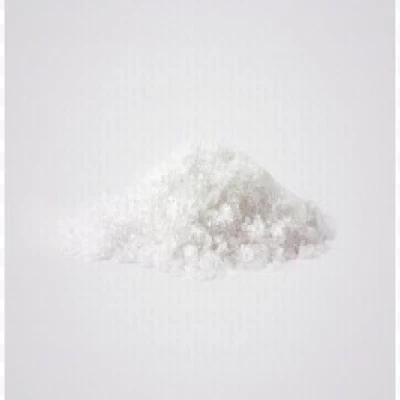
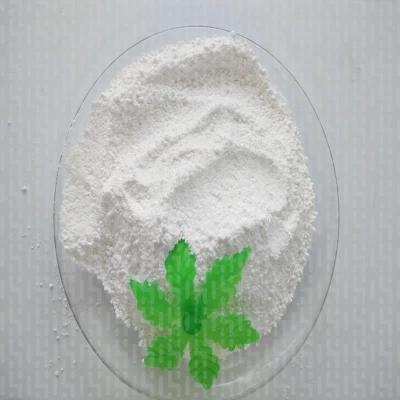
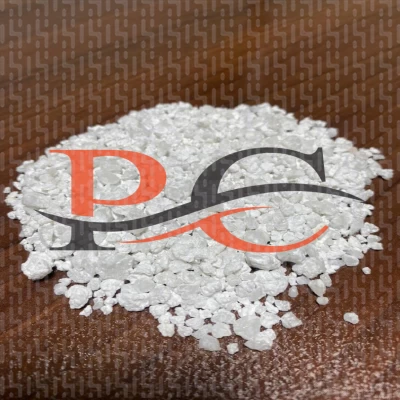
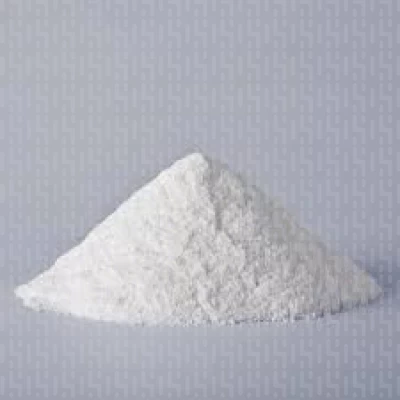
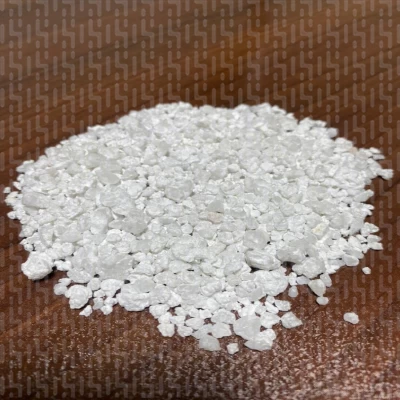
In appearance, calcium chloride can be supplied as flakes, granules, pellets, powder, crystals, or a liquid solution. In pure form, its color is usually white to colorless. In the industrial market, however, the product's appearance depends on the production method, grade, purity percentage, packaging, and storage conditions.
The most important physical behavior of calcium chloride for an industrial buyer is its strong hygroscopicity . This material absorbs moisture from the air, and if the bag, jumbo bag, or warehouse is unsuitable, it may cake, its apparent weight may change, or problems may occur during unloading and use. This is exactly where a cheap purchase becomes expensive in practice.

Appearance, Color, and Particle Size of Calcium Chloride in Bulk Purchasing
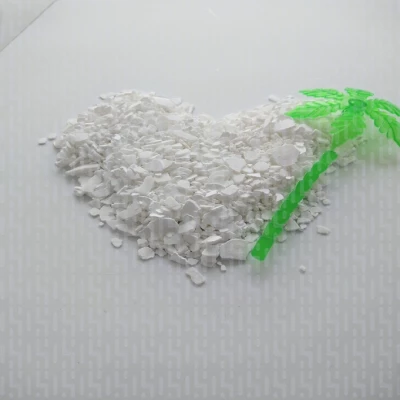
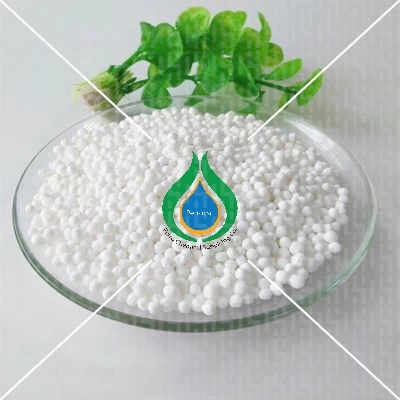
When buying calcium chloride flakes, a relatively thin, sheet-like product is expected. When buying calcium chloride granules or pellets, a more uniform and rounded particle size is seen. For automatic feeding systems, uniform particle size is more important because it reduces clogging, dust, and fluctuations in dosing.
For some industries, powder is an advantage. For others, it is a problem. In lines that work with moisture, feeders, screws, or closed tanks, the physical form of the product must be specified before purchase. It is better to obtain a sample and test it under exactly the same conditions as the real application.
Moisture, Caking, and Water Absorption in Dry Calcium Chloride
Because of its moisture-absorbing property, dry calcium chloride absorbs water if it is left in an open environment. This same property makes it useful in applications such as moisture absorbers, industrial desiccants, and dust control. But in a buyer's warehouse with a humid environment, the same property can become a problem.
For tonnage orders, be sure to ask the supplier how many packaging layers the product has, whether it is palletized, whether it is shrink-wrapped, whether it has a moisture-resistant inner liner, and what covering is used during transport by truck or container.
Do not place an opened bag of calcium chloride next to water, steam, acids, a wet floor, or rain. The product can absorb moisture and gradually become caked or semi-liquid.
Chemical Properties of Calcium Chloride and Calcium Chloride for Purchase Quality Control
Calcium chloride is an ionic salt that is soluble in water. Its solution has high conductivity and releases heat when dissolved in water. This property is useful in some applications, but preparation of a concentrated solution must be carried out carefully. If a large amount of calcium chloride is suddenly poured into water, the solution heats up and may create steam, splashing, or a risk of thermal burns.
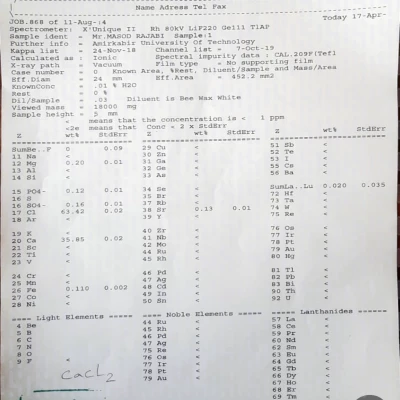
From a technical standpoint, the buyer should pay attention to CaCl2 percentage, moisture, insoluble matter, solution pH, sulfate, alkalis, heavy metals, and product appearance. For food-grade calcium chloride, impurity limits are stricter. For drilling-grade calcium chloride, solution density, clarity, compatibility with the fluid, and interfering ions are more important.

Exothermic Dissolution of Calcium Chloride in Water
When calcium chloride dissolves in water, it releases heat. In plants that prepare high-concentration calcium chloride solutions, tank temperature, equipment material, addition method, ventilation, and PPE must be specified. The correct method is to add the material gradually to the water, not to pour water over a large volume of dry material.
Is Calcium Chloride Acidic or Basic?
Under normal conditions, calcium chloride is a mineral salt and should not be classified like strong acids or strong bases. Depending on grade and impurities, its solution can have different pH values. For industrial use, instead of guessing, check the pH value stated in the COA or the analysis of that specific batch.
Chemical Compatibility and Incompatibility of Calcium Chloride in Storage
Calcium chloride should be kept away from severe moisture and incompatible materials. Uncontrolled contact with certain substances, sensitive metal equipment, or humid environments can cause corrosion or technical damage. If the product comes into contact in your plant with stainless steel, carbon steel, pumps, tanks, injection lines, or concrete, perform a compatibility test before tonnage-scale use.
“PubChem describes calcium chloride as a highly water-soluble and hygroscopic substance. These same two properties are both the reason for its wide range of applications and the reason for sensitivity in packaging and storage.” English source: PubChem
Technical Specifications Table for Calcium Chloride and Calcium Chloride for Purchasing Decisions
A technical specifications table is not just for making the page look attractive. An industrial buyer should be able to know the minimum product requirements before contacting a supplier. When ordering calcium chloride, parameters such as chemical formula, CAS number, physical form, purity percentage, grade, packaging, and application define the purchasing path.
If you are looking for industrial calcium chloride , purity and physical form are usually more important for your process than the appearance of the packaging. If you are looking for food-grade calcium chloride , documents and standards become more important. If you are buying for drilling, density and the ability to prepare a stable solution become important.

Types of Calcium Chloride | Industrial, Food, Pharmaceutical, Granular, Flake, and Liquid
Calcium chloride is not just one simple product with one model of use. This material is divided into several types based on application grade, purity percentage, crystal water content and physical form . Therefore, when a buyer simply says, “I want calcium chloride,” there is still not enough information to request a price.
For the right purchase, it must be clear which industry the calcium chloride will be used in. Use in the food industry, cheese production, pharmaceuticals, drilling, concrete, road construction, moisture absorbers, antifreeze, gas drying, and laboratory applications each requires a different grade and different documents. Choosing the wrong type of calcium chloride can cause lower product quality, higher consumption, formulation failure, rejection of the batch in quality control, or even a safety hazard.
Industrial, food-grade, and pharmaceutical calcium chloride may look similar, but they are completely different in purity, permitted impurities, quality control, packaging, documentation, and application. For bulk purchasing, do not look only at product appearance or a low price.
Types of Calcium Chloride by Application Grade
The first and most important classification of calcium chloride is by application grade. In the market, you usually encounter three main terms: industrial calcium chloride, food-grade calcium chloride and pharmaceutical or laboratory calcium chloride. Each of these grades is suitable for a particular level of sensitivity, a particular type of quality control, and a particular type of customer.

Industrial Calcium Chloride
Suitable for oil and gas, road construction, concrete, drying, antifreeze, moisture absorption, and general industries
Industrial calcium chloride is the most widely used type of this material in the market. This grade is used for applications with no direct contact with food, medicine, or the human body. In the oil and gas industry, industrial calcium chloride can be used to adjust fluid density, control moisture, or in certain technical processes. In road construction and site development, it is used for dust control, de-icing, and reducing surface freezing.
When buying industrial calcium chloride, purity is not the only criterion. Product form, moisture content, dissolution rate, absence of caking, durable packaging, tonnage price, and the ability to deliver consistently are also important. For factory use, it is better to test a sample under actual process conditions before bulk purchasing.
Food-Grade Calcium Chloride
Suitable for the food industry, dairy, cheese making, canning, and food processes
Food-grade calcium chloride is used in applications where the material plays a role in food production. One of its best-known applications is in dairy and cheese production, where calcium chloride can help improve milk coagulation and texture quality. In some food processes, this material is used to maintain texture, control the process, or improve product stability.
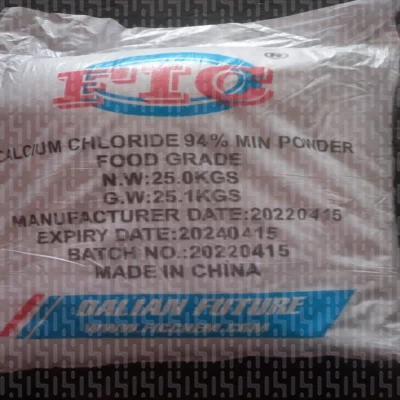
When buying food-grade calcium chloride, the word “food-grade” must be supported by documentation. The buyer should review the COA, grade specifications, hygienic packaging, impurity limits, and storage conditions. Industrial calcium chloride should not be substituted for food grade solely because of a lower price, because the quality-control and food-safety risks increase.
Pharmaceutical and Laboratory Calcium Chloride
Suitable for laboratories, quality control, pharmaceuticals, research and development, and sensitive applications
Pharmaceutical and laboratory calcium chloride is the most sensitive group of calcium chloride. This type is usually used for precise applications, laboratory tests, quality control, research and development, special formulations, or applications where even minor impurities can change the result. In this group, the product price is usually higher, but precision, purity, and technical documentation are more important.
If a seller introduces a product as pharmaceutical, laboratory, USP, EP, or BP, a valid certificate, batch number, Certificate, COA for the same lot, and original packaging must be checked. This grade is usually not economical for general tonnage purchasing and is more suitable for laboratories, QC units, or highly sensitive applications.
Types of Calcium Chloride by Physical Form
Another important classification is the physical form of calcium chloride. A buyer may want industrial calcium chloride but still must specify the form required: flake, granule, powder, liquid, dihydrate, or anhydrous. Physical form directly affects price, packaging, transport, storage, dissolution rate, and ease of use.

Calcium Chloride Flakes
Widely used in general industries, moisture absorbers, road construction, de-icing, and tonnage consumption
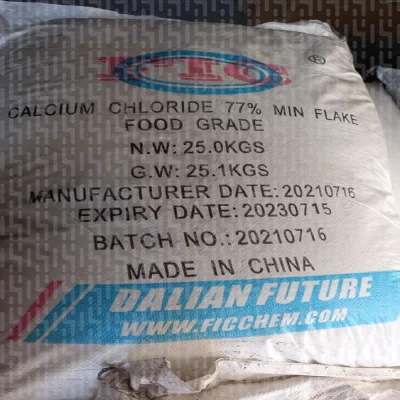
Calcium chloride flakes are one of the most common solid forms of this material. They usually have a sheet-like or flaky appearance and are suitable for applications where the product should dissolve relatively easily and not create much difficulty in industrial transport and use. Flakes are used for moisture absorption, de-icing, dust control, chemical industries, and some general industrial applications.
When buying calcium chloride flakes, attention should be paid to moisture content, absence of caking, uniform appearance, bag condition, and packaging type. Because calcium chloride absorbs moisture, weak packaging can cause stickiness, deterioration in appearance, and difficult unloading.
Granular Calcium Chloride
Suitable for controlled consumption, better spreading, cleaner packaging, and more precise industrial applications
Granular calcium chloride is supplied in particle form and is suitable for applications where uniform particle size, better spreading, and control of dosage are important. In some applications, granules have a cleaner appearance and are easier to use than flakes, making them a better choice for final packaged products such as moisture absorbers or industrial consumer products.
When buying granular calcium chloride, particle size distribution, powder percentage, resistance of granules during transport, moisture absorption, and dissolution rate should be checked. If the product is excessively crushed, it may create problems in the packaging line or final use.
Powdered Calcium Chloride
Suitable for formulations, rapid dissolution, mixing with other materials, and technical applications
Powdered calcium chloride is suitable for applications where rapid dissolution or uniform mixing with other materials is important. This type can be used in certain industrial, laboratory, or production formulations. However, because of its larger surface area, powder may absorb moisture faster and may cake if packaging is unsuitable.
When buying the powdered type, mesh or particle size, dust, moisture, bag type, and storage conditions should be considered. For environments where chemical dust is a problem, flakes or granules may be a more practical choice.
Liquid Calcium Chloride
Suitable for ready-made solutions, oil and gas, antifreeze, dust control, and continuous use
Liquid calcium chloride is supplied as a ready-made solution and is suitable for industries that do not want to dissolve solid material at the point of use. This type is used in some oil and gas applications, dust control, antifreeze, industrial processes, and continuous use. Its main advantage is that the solution is ready and easier to use in injection or spraying systems.
When buying liquid calcium chloride, solution percentage, density, clarity, sediment, tank or tanker type, transport conditions, and compatibility with equipment should be checked. The price of liquid calcium chloride should not be compared only with the price of the solid form, because part of the weight of the liquid solution is water.
Types of Calcium Chloride by Crystal Water and Purity
Calcium chloride is also divided into several important types based on composition and crystal water. Two common names in the market are anhydrous calcium chloride and calcium chloride dihydrate . These two types differ in effective calcium chloride percentage, moisture absorption, price, application, and storage conditions.
Anhydrous Calcium Chloride
Higher effective purity, stronger moisture absorption, and suitable for more sensitive applications
Anhydrous calcium chloride is a type of calcium chloride that has no crystal water or has a very low water content. This type usually has a higher percentage of active material and is therefore considered for applications where strong moisture absorption, rapid effect, or lower dosage is important.
Because of its high hygroscopicity, anhydrous calcium chloride must be stored in intact packaging and a dry environment. If it is exposed to moisture in storage, it absorbs moisture faster than some other grades and its physical quality may change.
Calcium Chloride Dihydrate
Common in the market, suitable for industrial use, more economical, and appropriate for general applications
Calcium chloride dihydrate is a type of calcium chloride that contains crystal water in its structure. This type is very common in the market and is used for many industrial applications, road construction, moisture absorption, de-icing, concrete, chemical industries, and general use. In some purchases, dihydrate can be a more economical option in terms of price and availability.
When buying calcium chloride dihydrate, attention should be paid to the declared purity percentage, moisture content, product form, packaging, and whether the COA matches the intended use. If the exact amount of active material is important in your formulation, be sure to consider the difference between dihydrate and anhydrous in dosage calculations.
If your use is industrial, focus on tonnage price, packaging, moisture, and supply stability. If you have a food application, buy only documented food-grade material. If your use is pharmaceutical or laboratory, do not buy without a Certificate and COA. If physical form matters, choose among flakes, granules, powder, and liquid based on the method of use, dissolution rate, storage, and production-line equipment.
Calcium Chloride Production Methods: From Mines to Chemical Reactors
Understanding the calcium chloride production method helps you estimate product quality from the production process. In general, there are three main routes for supplying this material globally:

A) Reaction of Limestone with Hydrochloric Acid (the Most Common Method in Iran)
In this method, calcium carbonate (limestone) reacts with hydrochloric acid (HCl) to produce liquid calcium chloride. Then, through concentration and drying processes, calcium chloride flakes or granules are produced. This method is very common because raw materials are abundant in Iran, and most calcium chloride manufacturers in Iran use this system.
B) Solvay Process
In the production of sodium carbonate by the Solvay process, calcium chloride is produced as a by-product. Although this method is economical on a very large scale, refining it to reach high grades is challenging.
⚙️ Industrial and Commercial Applications of Calcium Chloride
Because of its high moisture absorption, ability to lower the freezing point of water, high solubility, and chemical role in various processes, calcium chloride is one of the most widely used materials in industry. These same properties have led to applications ranging from road construction and de-icing to oil and gas, cheese making, gas drying, moisture absorbers, concrete, water treatment, and chemical industries.

Many purchasing mistakes occur when the buyer first asks for a price and only later explains the application. For an accurate purchase, first specify the application, then ask the seller for the appropriate grade, physical form, solution percentage, packaging, COA, and MSDS.
❄️ Application of Calcium Chloride in Road De-Icing and Industrial Antifreeze
Roads, parking lots, industrial sites, airport runways, and cold-region routes
One of the best-known applications of calcium chloride is de-icing and reducing surface freezing. When dissolved in water, this material creates a solution with a lower freezing point than pure water. Therefore, in cold regions it is used on roads, sidewalks, parking lots, ramps, industrial sites, and some operational routes.
When buying calcium chloride for de-icing, the physical form of the product is very important. Flakes, granules, and liquid solution each have different methods of use. For large projects, tonnage price, speed of action, ease of spreading, potential corrosion of equipment, storage conditions, and product hygroscopicity should be considered.
🌫️ Application of Calcium Chloride in Dust Control
Dirt roads, mines, freight terminals, industrial sites, and machinery routes
Because of its moisture-absorbing property, calcium chloride is used to control dust on dirt roads, mining sites, loading terminals, truck routes, and industrial areas. When calcium chloride solution is sprayed on a dirt surface, it retains moisture better and helps bind fine particles. The result is less dust rising from the surface.
For this application, a liquid solution or a solid product that is dissolved on site can be considered. The buyer should consider solution concentration, spraying method, weather conditions, frequency of use, effect on metal equipment, and total project cost. A cheap purchase without reviewing the application method may lead to excessive consumption or poor performance.
🛢️ Application of Calcium Chloride in the Oil and Gas Industry
Drilling, well completion, heavy brines, density control, and technical fluids
In the oil and gas industry, calcium chloride can be used to prepare heavy brines, well-completion fluids, and in certain processes for controlling fluid properties. In this application, the issue is not merely buying a chemical; the product must perform acceptably under the well's operating conditions, temperature, salinity, pressure, and fluid composition.
When buying calcium chloride for drilling and well completion, solution density, clarity, impurities, compatibility with the project fluid, solution percentage, and technical documentation are very important. In oil and gas projects, it is better to send the project's technical specifications to the supplier before bulk purchasing so that a general industrial grade is not mistakenly substituted for the appropriate grade.
🏗️ Application of Calcium Chloride in Concrete and Construction
Setting accelerator, cold-weather concreting, and increased early strength
In some concrete formulations, calcium chloride has been used as a setting accelerator and to help increase the rate of cement hydration. This property can be technically attractive in some cold-weather concreting projects or when achieving early strength faster is important.
However, the use of calcium chloride in concrete must be handled with technical caution. The presence of chloride ions can cause problems related to corrosion in reinforced concrete, structures containing rebar, prestressed components, or corrosion-sensitive projects. For a construction project, the final decision should be based on the project standard, the technical engineer's opinion, and the type of structure, not only the price of the additive.
🧀 Application of Calcium Chloride in the Food Industry and Cheese Making
Cheese, dairy, canned foods, pickles, compotes, and texture preservation
In the food industry, food-grade calcium chloride can be used to improve texture, assist the process, control pH, maintain firmness, and for certain technological applications. In cheese making, this material is commonly discussed for helping improve curd formation and cheese texture, especially when milk has been pasteurized and the calcium balance has changed.
For food use, buying industrial calcium chloride is a dangerous mistake. A food plant must check food grade, a valid COA, hygienic packaging, impurity limits, storage conditions, and complete dissolution of the product. If a seller only says the product is food grade but does not provide documentation, bulk purchasing it for a food line is not reliable.
💧 Application of Calcium Chloride in Water and Wastewater Treatment
Hardness adjustment, calcium increase, process aid, and industrial use
In some water and wastewater treatment processes, calcium chloride can be used to adjust hardness, increase calcium ion concentration, support the chemical balance of water, or modify process conditions. This application depends on the type of water, system design, treatment objective, and accompanying chemicals.
When buying calcium chloride for water treatment, the appropriate grade, purity, interfering impurities, effect on pH, compatibility with other chemicals, and dosage should be reviewed. In sensitive systems such as RO, boilers, cooling towers, or industrial treatment, the technical decision should be made with the process specialist's input.
🌬️ Application of Calcium Chloride in Natural Gas Drying
Gas Dehydration, moisture removal, corrosion reduction, and gas-hydrate control
In natural gas lines and facilities, moisture can cause corrosion, gas-hydrate formation, and disruption of equipment performance. Because of its moisture-absorbing property, calcium chloride is used in some drying systems and moisture-absorption units as a desiccant or auxiliary material to reduce moisture.
For this application, the product should be selected based on pressure, temperature, gas moisture content, absorber tower or vessel design, and operating conditions. The buyer should review the product form, moisture-absorption capacity, saturation rate, replacement or regeneration capability, potential corrosion, and safety conditions.
🧴 Application of Calcium Chloride in Moisture Absorbers and Industrial Desiccants
Household and industrial moisture absorbers, packaging, warehouses, and environmental humidity control
Because of its high hygroscopicity, calcium chloride is used in moisture-absorbing products, industrial desiccants, sensitive packaging, goods warehouses, containers, and environments where humidity control is important. This material can absorb moisture from the air and help reduce dampness, mold, packaging damage, and deterioration in product quality.
For this use, physical form is very important. Granules and flakes are often more suitable than powder because they create less dust and are easier to control in final packaging. When purchasing, moisture-absorption capacity, resistance to caking, bag integrity, possible leakage, and compatibility with final packaging should be reviewed.
🧊 Application of Calcium Chloride in Refrigeration Systems and Cooling Solutions
Brine, cooling systems, heat transfer, and industrial processes
Calcium chloride solution is used in some refrigeration and cooling systems as a brine or heat-transfer fluid. This solution can operate at temperatures lower than pure water and may be considered for certain industrial processes, cold-storage facilities, or cooling systems.
When buying calcium chloride for a refrigeration system, solution percentage, required freezing point, potential corrosion, compatibility with pumps, pipes, heat exchangers, and corrosion-inhibiting additives are important. This application is best handled with the opinion of a facilities or process specialist.
🧪 Application of Calcium Chloride in Chemical and Pharmaceutical Industries
Raw material, calcium-ion adjustment, laboratory use, pharmaceuticals, and specialized formulations
In chemical industries, calcium chloride can be used as a raw material, mineral salt, source of calcium ions, or process aid in certain productions. In laboratories and quality control, this material can also be used for tests, solution preparation, and analytical applications.
In pharmaceutical and laboratory applications, grade is extremely important. The product must have a Certificate, COA, batch number, original packaging, and standard specifications. Industrial calcium chloride is not suitable for these applications and should not be substituted for pharmaceutical or laboratory grade because of a lower price.
🛡️ Calcium Chloride Safety, Storage, and MSDS
Under normal conditions, calcium chloride is a controllable and relatively safe material for industrial use; however, because of its high moisture absorption and the heat generated when it dissolves in water, it must be stored and used according to safety principles. Direct contact of powder or concentrated solution with skin and eyes can cause dryness, burning, and irritation. Therefore, before bulk or industrial use, reading the MSDS and training operators are essential.

⚠️ GHS Labeling and Hazard Level of Calcium Chloride
Skin and eye irritation, dust, concentrated solution, and heat of dissolution
Calcium chloride is generally not known as a flammable or explosive material, but it can irritate the eyes, skin, and respiratory tract. Concentrated solutions generate heat when contacting water or moisture and should be prepared carefully. In dusty environments, dust control and proper ventilation are important.
🧤 Personal Protective Equipment When Working with Calcium Chloride
Safety goggles, gloves, work clothing, and a mask in dusty environments
When working with calcium chloride, safety goggles are recommended to prevent splashes from reaching the eyes. Nitrile or rubber gloves prevent direct skin contact. Long-sleeved work clothing is suitable for preventing powder from contacting the body. In environments where dust is generated, using an appropriate mask and adequate ventilation helps reduce respiratory exposure.
🚑 First Aid for Calcium Chloride Exposure
Rinsing with water, leaving the contaminated area, and seeking medical attention in severe cases
In case of skin contact, wash the affected area with plenty of water and change contaminated clothing. If it enters the eyes, rinse the eyes with clean water for several minutes and seek medical attention if irritation continues. If dust is inhaled, move the person to fresh air. In case of accidental ingestion, avoid self-treatment and follow the MSDS or a physician's advice.
📦 Safe Storage of Calcium Chloride in a Warehouse
Dry environment, intact packaging, away from moisture, and leakage control
Calcium chloride should be stored in a dry, cool, well-ventilated environment. Because it absorbs moisture quickly, the bag or package must be completely intact and closed. Long-term exposure to moisture can cause caking, stickiness, and deterioration in the product's appearance. In the warehouse, it is better to place bags on pallets and away from a damp floor.
Calcium Chloride Packaging for Bulk Purchasing and Tonnage Sales
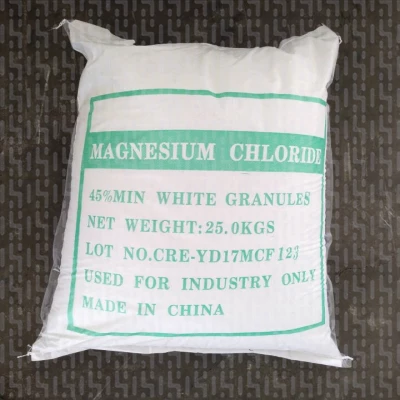
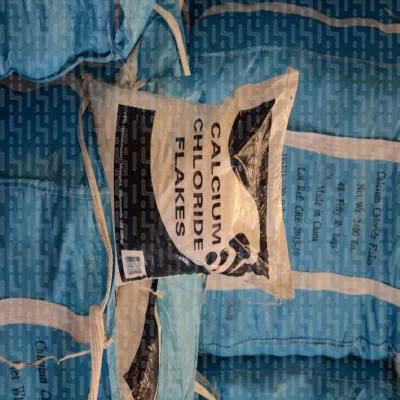
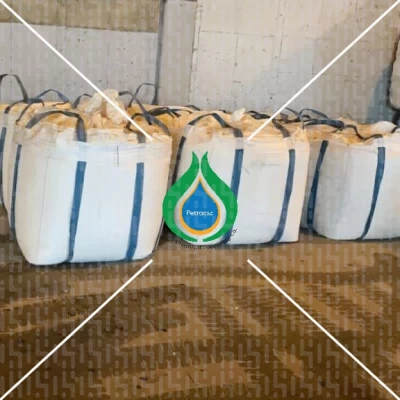
Calcium chloride packaging should match the purchase quantity, product form, and conditions of use. A 25 kg bag is suitable for regular factory consumption. Jumbo bags are better for high consumption and mechanized unloading. Liquid product is also transported by tanker or tank and is a suitable choice for factories that have storage systems.

25 kg Calcium Chloride Packaging for Factories
A 25 kg bag is suitable for controlled consumption, smaller warehouses, and units where unloading is done manually. In this packaging, stitching quality, the moisture-resistant inner layer, and palletizing are important. If the bag absorbs moisture, both apparent weight changes and use becomes more difficult.
Calcium Chloride Jumbo Bags for Tonnage Consumption
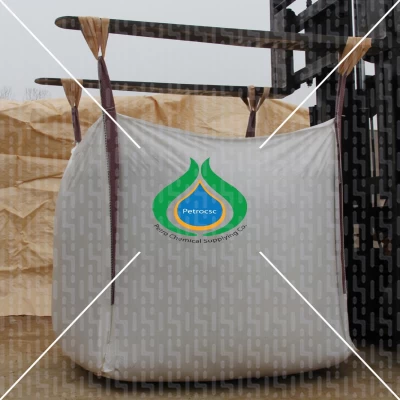
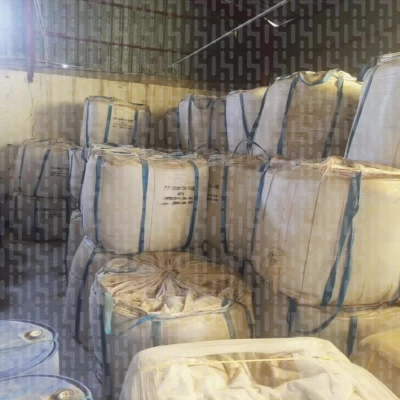
A 500 kg or 1-ton jumbo bag is suitable for factories with continuous consumption that work with forklifts, cranes, or mechanized unloading systems. Its advantage is reduced packaging cost and faster unloading. Its weakness is the need for adequate space and greater moisture control.
Liquid Calcium Chloride Tankers for Continuous Consumption
If you buy liquid calcium chloride, the solution concentration, tanker material, unloading time, destination tank, pump, and unloading safety must be specified. For liquid purchases, price comparison should be based on active material, not only the price per kilogram of solution.
How to Store Calcium Chloride in an Industrial Warehouse
Storing calcium chloride is simple, but carelessness can be costly. This material should be kept in a dry, cool, ventilated environment and away from direct moisture. Bags should not be placed directly on a damp floor. Pallets, dry underlay, and suitable covering are necessary for industrial warehouses.

Pallet Arrangement and Moisture Control for Calcium Chloride
Pallets should be kept away from damp walls. It is better to maintain airflow paths and use opened bags quickly. If your warehouse is in a humid city or near the sea, moisture-resistant packaging and periodic inspection of the goods become more important.
Separating Calcium Chloride from Sensitive Materials and Vulnerable Metals
Do not store the product next to open food, acids, sensitive metal equipment, moist materials, or items incompatible with chlorides. In multi-product warehouses, labeling and separating rows are important.
🏭 Calcium Chloride Manufacturers | Global, Chinese, and Iranian Calcium Chloride Brands
Choosing a calcium chloride manufacturer is not merely a simple commercial choice. Brand quality, product grade, purity percentage, packaging type, supply stability, and technical documents such as COA and MSDS can affect final product quality, finished cost, and even whether production stops or continues. Therefore, when buying industrial, food-grade, liquid, granular, flake, or dihydrate calcium chloride, it is better to review different manufacturers and brands carefully.
In the global market, brands such as OxyChem, TETRA Technologies, ZIRAX, Weifang Haibin Chemical, Nedmag, and Merck are known for different calcium chloride grades.
In the Iranian market, names such as Chloran, Kaveh Chemical Company, Razi Chemical Company, Pars Chemical, and suppliers of Chinese products also appear in market searches and inquiries. The important point is not to rely only on the brand name before bulk purchasing and to check the specifications of the specific product.

🌍 Global Calcium Chloride Manufacturers
🇺🇸 OxyChem (Occidental Petroleum)
United States | Industrial, food, oil and gas, de-icing, and dust control
OxyChem is one of the best-known global manufacturers of calcium chloride. This brand is known in the international market for various Calcium Chloride products, including Anhydrous, Dihydrate, liquid, granular, and flake grades. If your purchase is for de-icing, dust control, oil and gas, food industries, or industrial use, do not ask only for OxyChem by name; also request the grade, purity percentage, product form, and Product Sheet for that specific product.
🇺🇸 TETRA Technologies (TTI)
United States / International | Oil and gas, Completion Fluids, and industrial products
TETRA Technologies is known in the global calcium chloride market, especially for specialized solutions in the oil and gas industry. This brand is widely used in Completion Fluids and calcium chloride solutions. If your purchase is for drilling, well completion, or oil and gas projects, the calcium chloride price alone is not enough; solution density, clarity, impurities, and compatibility with the project fluid must be reviewed.
🇩🇪 ZIRAX Europe
Europe / International | Industrial, specialized, laboratory, and sensitive grades
ZIRAX is one of the brands worth considering in the international calcium chloride market. This name is associated with specialized, industrial, and certain sensitive applications. If a seller claims a ZIRAX product meets standards such as USP, EP, or BP, you must check the official certificate for that product, the COA for the same lot, original packaging, and batch number. In international purchasing, the brand name alone is not enough.
🇨🇳 Weifang Haibin Chemical China
China | Industrial, Anhydrous, Dihydrate, and bulk export purchasing
Weifang Haibin Chemical is one of the Chinese names worth considering in the calcium chloride market. Chinese brands are commonly seen in Asia, Africa, and the Middle East because of high production capacity, competitive pricing, and the ability to supply large volumes. When buying Chinese calcium chloride, checking purity percentage, product form, production date, packaging photos, certificate of origin, and COA is very important.
🇳🇱 Nedmag Netherlands
Netherlands / Europe | Liquid, Prills, industrial, construction, and specialized applications
Nedmag is a European brand active in producing mineral salts and calcium chloride. This brand can be considered for liquid calcium chloride, prills, and some industrial, construction, and specialized applications. When buying from European brands, price is usually not the only criterion; quality consistency, technical documents, product grade, import conditions, and delivery time should also be reviewed.
🇩🇪 Merck
Germany / International | Laboratory, research, quality control, and precise grades
Merck is better known for laboratory chemicals and precise grades. Merck calcium chloride is suitable for laboratories, quality-control units, research and development, and specialized tests, but for factory tonnage consumption it is usually not an economical choice. If you mention Merck calcium chloride on the product page, it is better to explain that this brand is mainly relevant for laboratory purchasing and quality control, not bulk production-line use.
🇮🇷 Calcium Chloride Manufacturers in Iran
In Iran, several factories, manufacturers, importers, and chemical suppliers offer industrial and food-grade calcium chloride for domestic use and export. These units generally supply various grades such as calcium chloride dihydrate, anhydrous, flake, granular, powder, liquid, industrial, and food grade based on availability and market orders.
When buying from domestic calcium chloride manufacturers, it is better to obtain a sample before placing a high-tonnage order and compare the product specifications with the needs of your production line. For food industries, food grade and health documents are important. For oil and petrochemical industries, technical specifications and process compatibility matter. For road construction, de-icing, concrete production, and drying, tonnage price, packaging, and on-time delivery play a greater role.
Chloran
Iran | A name worth considering in the industrial and chemical calcium chloride market
Chloran is one of the names seen in searches of Iran's chemical market together with calcium chloride. Phrases such as Chloran calcium chloride price or buying Chloran calcium chloride are important for some buyers. Before purchasing, the exact grade, purity percentage, packaging type, COA, MSDS, current stock, and delivery conditions should be reviewed.
Kaveh Chemical Co.
Iran | Industrial, dihydrate, bulk packaging, and factory use
Kaveh Chemical Company is one of the names worth considering in the domestic calcium chloride market. This name can be included in buyers' review lists for inquiries about Calcium Chloride Dihydrate, industrial packaging, factory use, and bulk supply. For purchasing, it is better to check purity percentage, packaging type, current stock, delivery conditions, and the possibility of sending a sample.
Razi Chemical Company
Iran | Food grade to be verified, industrial, laboratory, and sensitive grades
Razi Chemical Company is one of the names worth considering in Iran's chemical market. If food-grade, pharmaceutical, laboratory, or sensitive-grade calcium chloride is introduced under this name or through a supplier, the buyer must obtain the COA, grade standard, impurity limits, packaging conditions, and related documents before a bulk order.
Pars Chemical
Iran | Industrial, oil and petrochemical, Anhydrous and Dihydrate to be considered
Pars Chemical is one of the names that can be considered for inquiries about calcium chloride Anhydrous and Dihydrate for industrial, oil, petrochemical, and factory applications. For purchasing from any supplier with this name, the product's technical specifications, purity percentage, compatibility with the project application, COA, MSDS, and loading conditions must be clear.
Buying directly from a factory or official representative can provide better access to COA, MSDS, product samples, technical support, and regular supply conditions. For high-tonnage orders, ask the seller to send a sample and, before final payment, provide conformity documents, batch analysis, safety data sheet, packaging type, delivery conditions, and price validity in writing.
Calcium Chloride Import and Export in Bulk Buying and Selling
Calcium chloride can be traded in both import and export markets. For imports, origin quality, exchange rate, tariff, transport cost, and documents are important. For exports, packaging, document language, supply stability, FOB or CFR price, target market, and the ability to deliver regularly are important.

Importing Chinese and Foreign Calcium Chloride
When importing calcium chloride, it should be specified whether the product is food or industrial grade, dry or liquid, dihydrate or anhydrous, and whether the packaging is bags, jumbo bags, or bulk. For imports, requesting a COA before loading, packaging photos, a certificate of origin, and a sample if possible reduces purchasing risk.
Exporting Calcium Chloride from Iran and Regional Sales
In calcium chloride exports, foreign buyers usually look for consistent quality, clean packaging, English analysis, competitive pricing, and reliable delivery times. If the target market is the food industry, documentation becomes more sensitive. If the target market is industrial, price and delivery play a larger role.
For exports, it is better to clearly state the English name, CAS, probable HS Code, grade, purity percentage, packaging, and delivery terms in the proforma from the beginning. Ambiguity in these items delays the transaction.
🛒 Industrial Calcium Chloride Purchasing Guide: 7 Points Before a Bulk Order
Industrial calcium chloride purchasing should be treated like buying a sensitive material for a production line. The material may look simple, but choosing the wrong grade, purity percentage, physical form, or packaging can affect product quality, production planning, storage, and transportation costs. Before buying calcium chloride in bulk, review these 7 points step by step.
Specify the Calcium Chloride Grade Before Asking for a Price
First specify whether you need industrial, food-grade, pharmaceutical, drilling, liquid, flake, granular, or laboratory product. The price of food-grade calcium chloride differs from industrial grade, and the price of liquid cannot be compared directly with dry product either.
Check Purity Percentage and Active Material
Do not look only at the price per kilogram. A product with a lower active-material content may look cheaper but can create higher costs in final use. This is very important when comparing calcium chloride dihydrate, anhydrous, and liquid.
Get a Sample Before Tonnage Purchasing
Test the sample under actual application conditions. In cheese, observe its effect on curd. In moisture absorbers, measure moisture absorption. In drilling, check density and compatibility. In storage, caking and product flowability are important.
Take Calcium Chloride COA and MSDS Seriously
The COA shows the specifications of the same product batch, and the MSDS explains safe transport, storage, and use. For factory purchasing, these two documents should be reviewed before a bulk order, not after the load is delivered.
Treat Very Low Prices with Caution
A low price is not always bad, but the reason should be clear. High moisture, weak packaging, old product, a lower grade, or incomplete documents can reduce the price and ultimately make the purchase more expensive for the factory.
Clarify Transport and Delivery Conditions
Delivery to the factory, delivery at the seller's warehouse, pallet cost, shrink wrapping, insurance, loading time, and truck type should be specified before payment. Calcium chloride is hygroscopic, and improper transport can damage the appearance and quality of the goods.
Do Not Depend on Only One Supplier
If you have monthly consumption, it is better to have at least two reliable supply routes. The chemical market changes with exchange rates, inventory, transport, and imports. Complete dependence on one seller increases the risk of production stoppage.
Current Calcium Chloride Price and Bulk Purchase Price List
The price of calcium chloride is not fixed. The current price depends on grade, purity, physical form, domestic or imported origin, exchange rate, order volume, packaging, transport cost, and market availability. Therefore, a calcium chloride price list without technical specifications can be misleading.
When you ask a seller for a price, ask the full question: What calcium chloride grade, purity percentage, packaging, order volume, delivery location, and documents does this price cover? If the answer is not precise, that price is not sufficient for a purchasing decision.

Why Does the Calcium Chloride Price per Kilogram Differ from the Tonnage Price?
In tonnage purchasing, packaging costs, transport, volume discounts, payment terms, and delivery schedules are included in the calculation. The price per kilogram may differ between an order of 25 bags and a 20-ton order. In export purchasing, document costs, export packaging, containers, and transport are also added.
What Information Should a Calcium Chloride Price List Include?
A professional price list should show the product name, grade, purity percentage, physical form, packaging, minimum order, delivery location, price-validity date, payment terms, and dispatch time. If it only says “calcium chloride, X tomans per kilogram,” that is still not enough for industrial purchasing.
Why Is Buying and Selling Calcium Chloride Through SHIMICO a Good Choice?
Buying chemicals for a factory is not just about finding a phone number. You should be able to compare suppliers, obtain prices, find the appropriate grade, and be visible when selling or exporting. As a chemical buying and selling platform, SHIMICO shortens this route for both buyers and sellers.
On SHIMICO, you can buy calcium chloride, sell calcium chloride, request industrial calcium chloride prices, and post free chemical listings . Industrial buyers can find suppliers more easily, and sellers can also place their products in front of more serious customers.
🏭 Ready to Request a Price and Buy Calcium Chloride?
For bulk purchasing, tonnage sales, requesting current prices, and posting free chemical listings, use SHIMICO .
✅ Bulk buying and selling of industrial chemicals
✅ Ability to request prices for food-grade, industrial, liquid, and granular calcium chloride ✅ Access to chemical and fertilizer categories ✅ Suitable for factories, suppliers, traders, and exporters ✅ Ability to post free listings for chemical sellersIf you are a calcium chloride supplier, list your product on SHIMICO. If you are a buyer, compare grade, analysis, packaging, and price before placing a bulk order.
User Reviews and Calcium Chloride Buyer Experiences
Purchasing Manager at a Dairy Factory
Buying Food-Grade Calcium Chloride for Cheese Production
For us, the calcium chloride price was not the only thing that mattered. The product absolutely had to be food grade because it is used directly in the cheese production process. What gave us confidence was the COA, clear product batch identification, and clean packaging. For subsequent purchases, we also always test the sample on the production line before placing a bulk order.
Factory Quality-Control Specialist
Checking Calcium Chloride Purity, Moisture, and Dissolution
Before tonnage purchasing, we tested the calcium chloride sample in the laboratory. Product appearance, dissolution rate, moisture content, solution pH, and consistency between the analysis and the sample were important to us. If the product does not match the COA, even a low price has no purchasing value for the factory.
Road Construction Project Procurement Officer
Buying Industrial Calcium Chloride for Dust Control
In our project, calcium chloride was used to control dust in the site and on dirt roads. Our experience was that packaging type and load condition are very important. When the product absorbs moisture or cakes, spreading becomes difficult and consumption also increases. For future purchases, we will definitely check palletizing and transport conditions as well.
Oil and Gas Project Supplier
Calcium Chloride Inquiry for Drilling and Completion Fluids
For drilling projects, calcium chloride cannot be purchased like a general-purpose material. Before ordering, we check solution density, clarity, impurities, and compatibility with the fluid formulation. A seller who only gives a price but does not provide precise technical specifications is not reliable for this type of project.
Chemical Export Trader
Buying Calcium Chloride for Export and Foreign Sales
For exports, foreign customers do not want only a price. They want packaging photos, an English COA, technical specifications, country of origin, exact bag weight, and load-preparation time. If the supplier provides these documents quickly and in an organized way, negotiations proceed much more easily.
Industrial Moisture-Absorber Manufacturer
Buying Calcium Chloride Flakes and Granules for Moisture Absorption
In moisture-absorber production, the physical form of calcium chloride is very important. A product with unsuitable particle size or too much powder creates problems in final packaging. For us, intact, dry, non-caked granular or flake calcium chloride is the best choice.
Technical Manager at a Food Factory
Difference Between Buying Food-Grade and Industrial Calcium Chloride
Many sellers quickly say the product is food grade, but documentation matters to us. When calcium chloride is used in a food product, it must have food-grade status, a valid analysis, and suitable packaging. Industrial calcium chloride cannot be put into a food production line merely because it is cheaper.
Purchasing Manager at a Chemical Factory
Comparing Prices of Domestic, Chinese, and Foreign-Brand Calcium Chloride
When buying calcium chloride, we always compare domestic prices, Chinese products, and several foreign brands, but the final decision is not based only on price. Sometimes a Chinese product has a good price but a longer delivery time. Sometimes a domestic product arrives faster and works better for monthly consumption. The important thing is to view price alongside quality and supply time.
Raw Materials Warehouse Manager
Importance of Calcium Chloride Packaging in Storage
If calcium chloride is not packaged well, it creates problems in the warehouse. It absorbs moisture, cakes, and becomes difficult to unload. After several experiences, we no longer ask only about price. We always ask how many layers the bag has, whether it is shipped on pallets, and how the load is covered during transport.
Concrete and Additives Production Specialist
Use of Calcium Chloride in Construction and Industrial Applications
For construction and industrial applications, calcium chloride selection must be made with technical input. It is not enough for the product to be cheap. We need to know what effect it has in our formulation, whether it is compatible with equipment and other materials, and what the dosage should be. Sampling before bulk purchasing is essential for us.
Frequently Asked Questions About Buying Calcium Chloride and Calcium Chloride Price
What Is Calcium Chloride?
Calcium chloride is a mineral salt with the formula CaCl2. It is highly soluble in water, absorbs moisture, and is used in the food industry, drilling, road construction, moisture absorption, refrigeration, and chemical processes.
Where Can We Buy Calcium Chloride?
For industrial purchasing, it is better to request quotations from specialized chemical platforms, manufacturers, importers, or bulk suppliers. Before buying, check grade, purity, packaging, COA, MSDS, and delivery conditions.
Is the Price of Food-Grade Calcium Chloride Different from Industrial Grade?
Yes. Food-grade calcium chloride generally requires stricter quality control, documents, and standards and may be more expensive than industrial grade. The final price depends on purity, packaging, brand, order volume, and market availability.
What Is Calcium Chloride Used for in Cheese?
In cheese production, food-grade calcium chloride can help improve curd formation, especially when the milk has been pasteurized. The dosage should be determined according to the production formula and the technical manager's opinion.
Is Liquid or Dry Calcium Chloride Better?
It depends on the application. Liquid calcium chloride is suitable for continuous injection and systems with tanks. Dry calcium chloride is more commonly used for storage, solid transport, and batch consumption. Price comparison should be based on active material.
What Is the Difference Between Calcium Chloride Dihydrate and Anhydrous Calcium Chloride?
Calcium chloride dihydrate contains crystal water, while anhydrous calcium chloride has a higher percentage of active material. This difference affects price, consumption, and calculation of the required quantity.
Is Industrial Calcium Chloride Suitable for Food Use?
No, unless the product is officially food grade and valid documents are provided. For food industries, food-grade calcium chloride with an appropriate COA and standard should be purchased.
Scientific Sources and English Links for Calcium Chloride
- Calcium Chloride, PubChem, NIH
- 21 CFR 184.1193 Calcium Chloride, eCFR
- Calcium Chloride SDS, Fisher Scientific
- Calcium Chloride Product Documents, OxyChem
- Deicing Chemicals and Highway Runoff, USGS.
🏭 Reliable Calcium Chloride Purchasing Starts with Choosing the Right Grade. 🏭